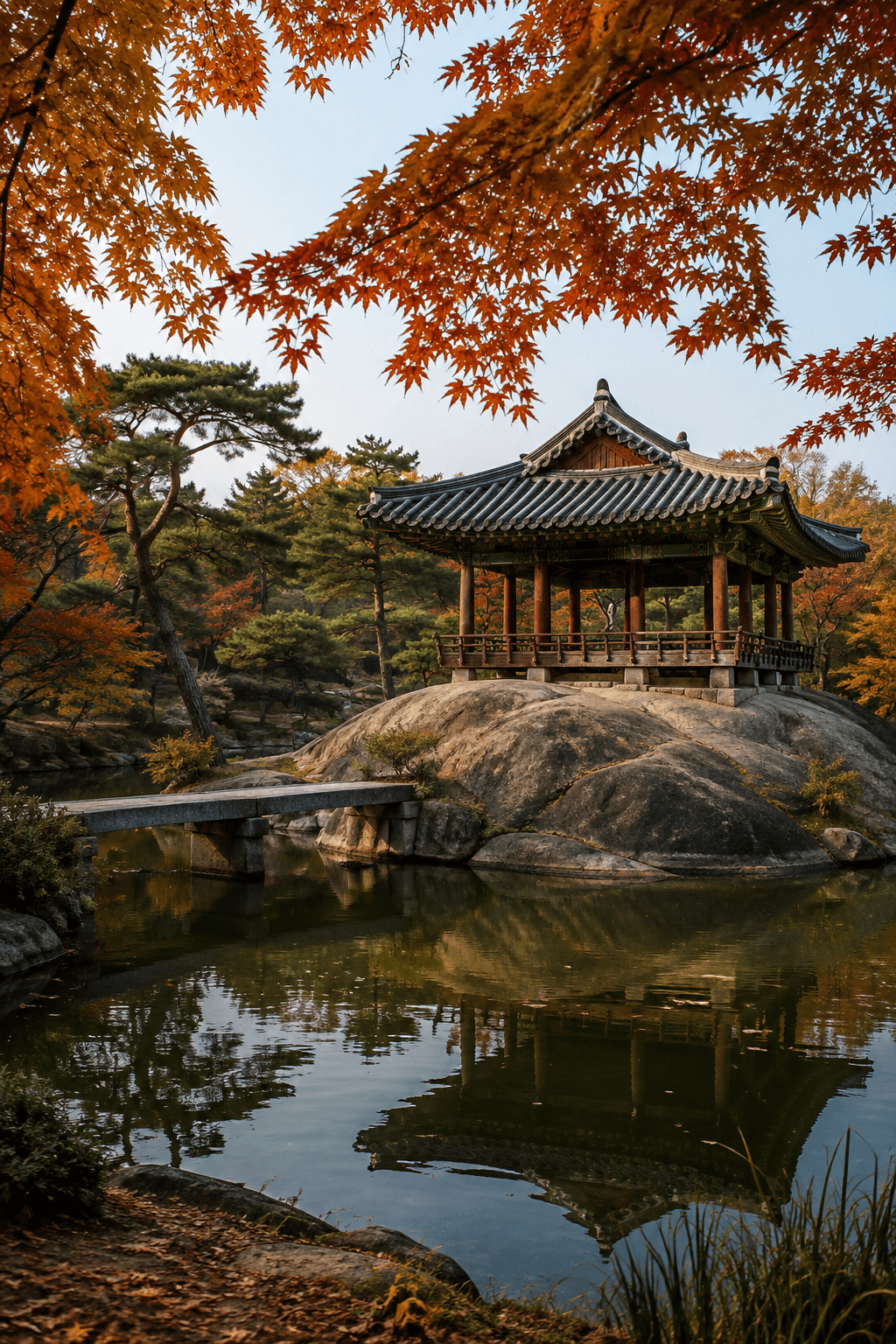
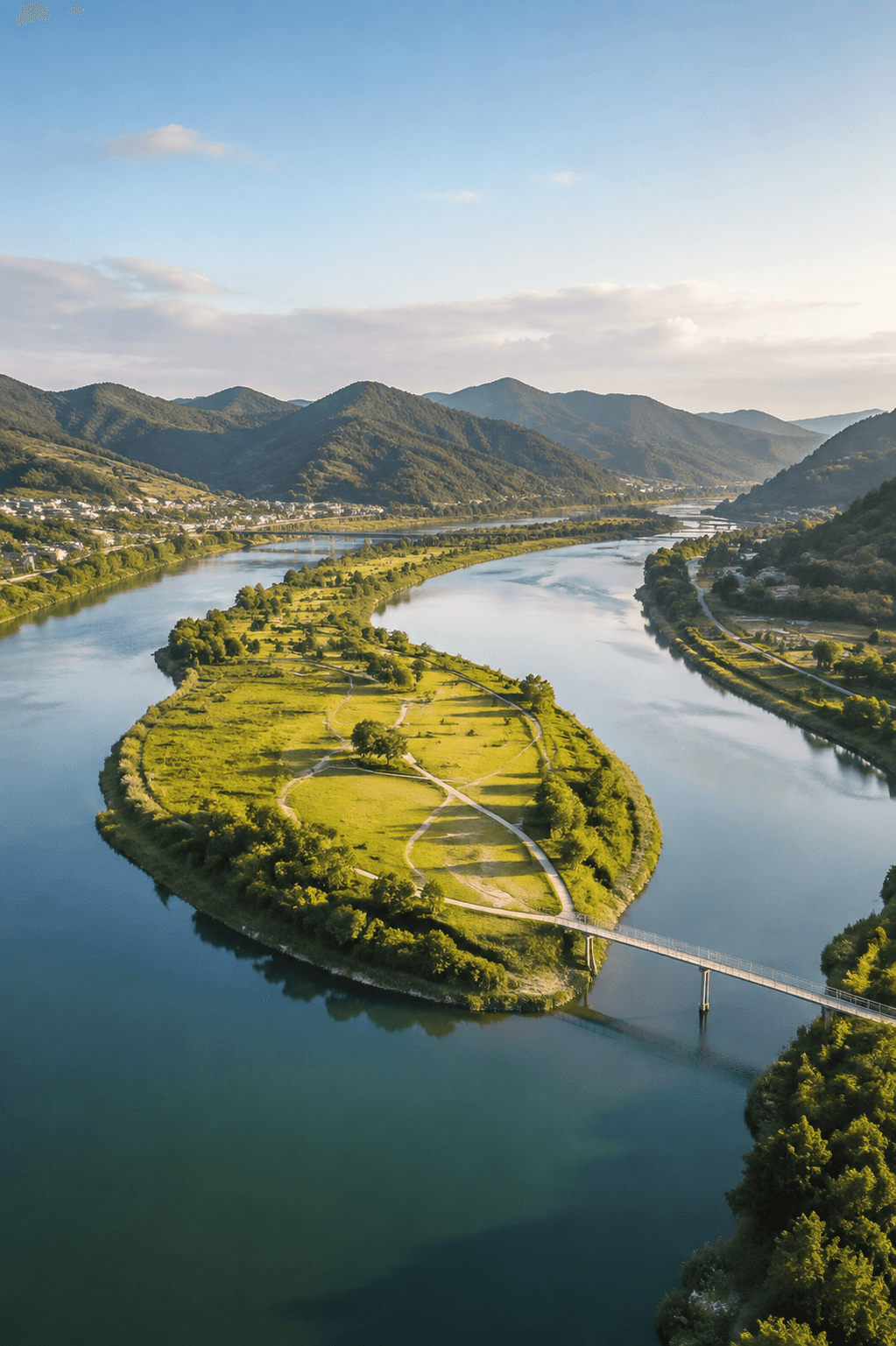
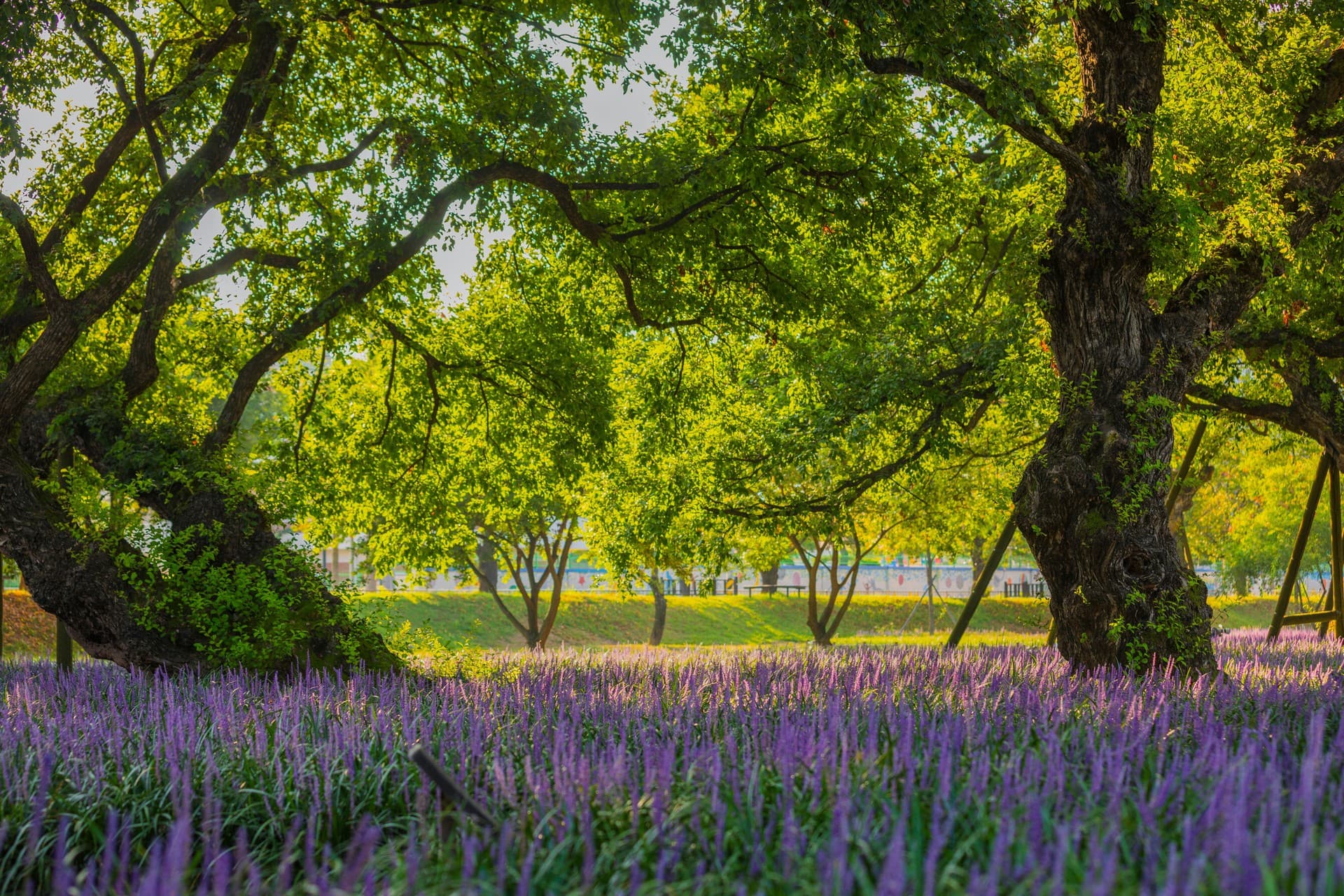
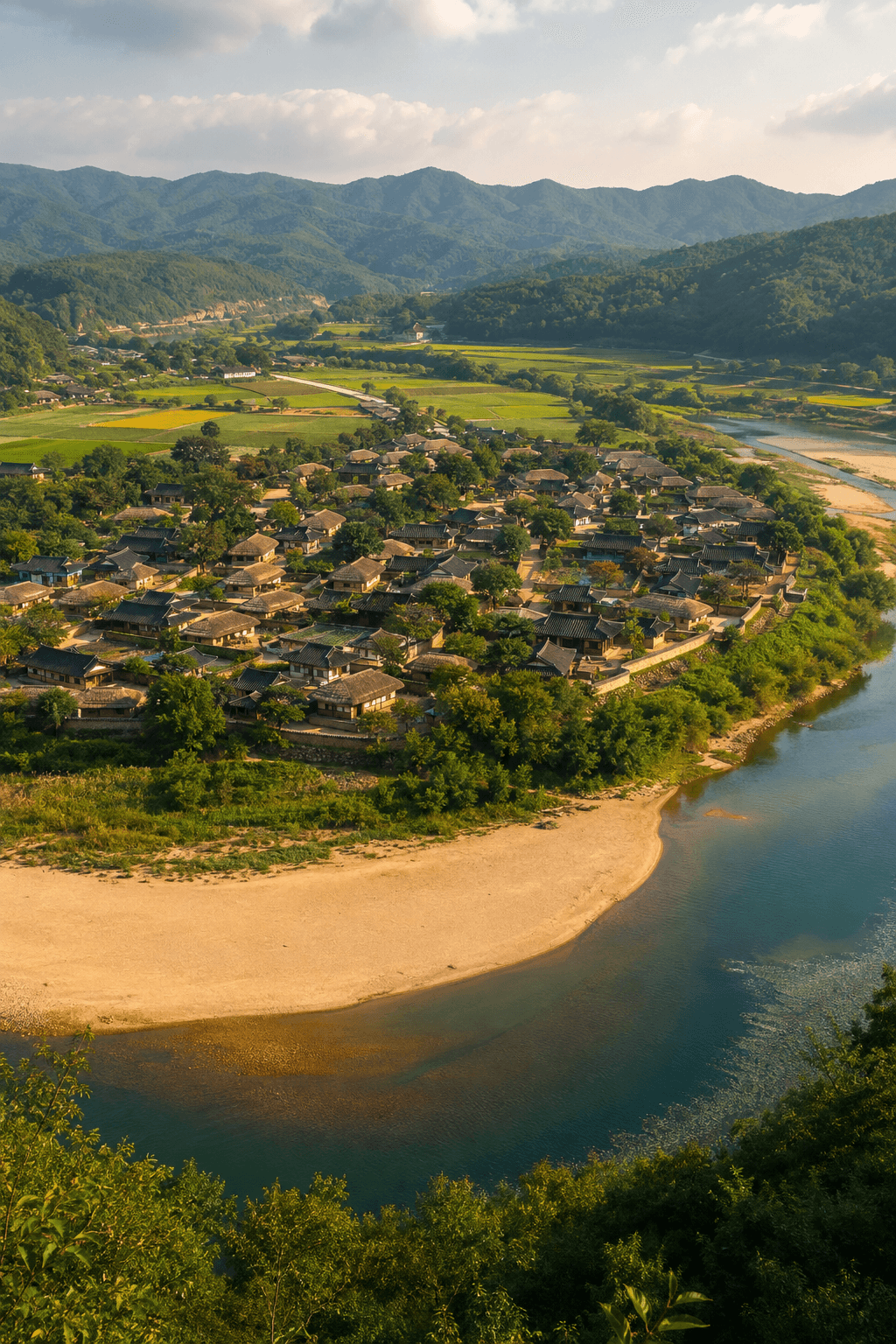
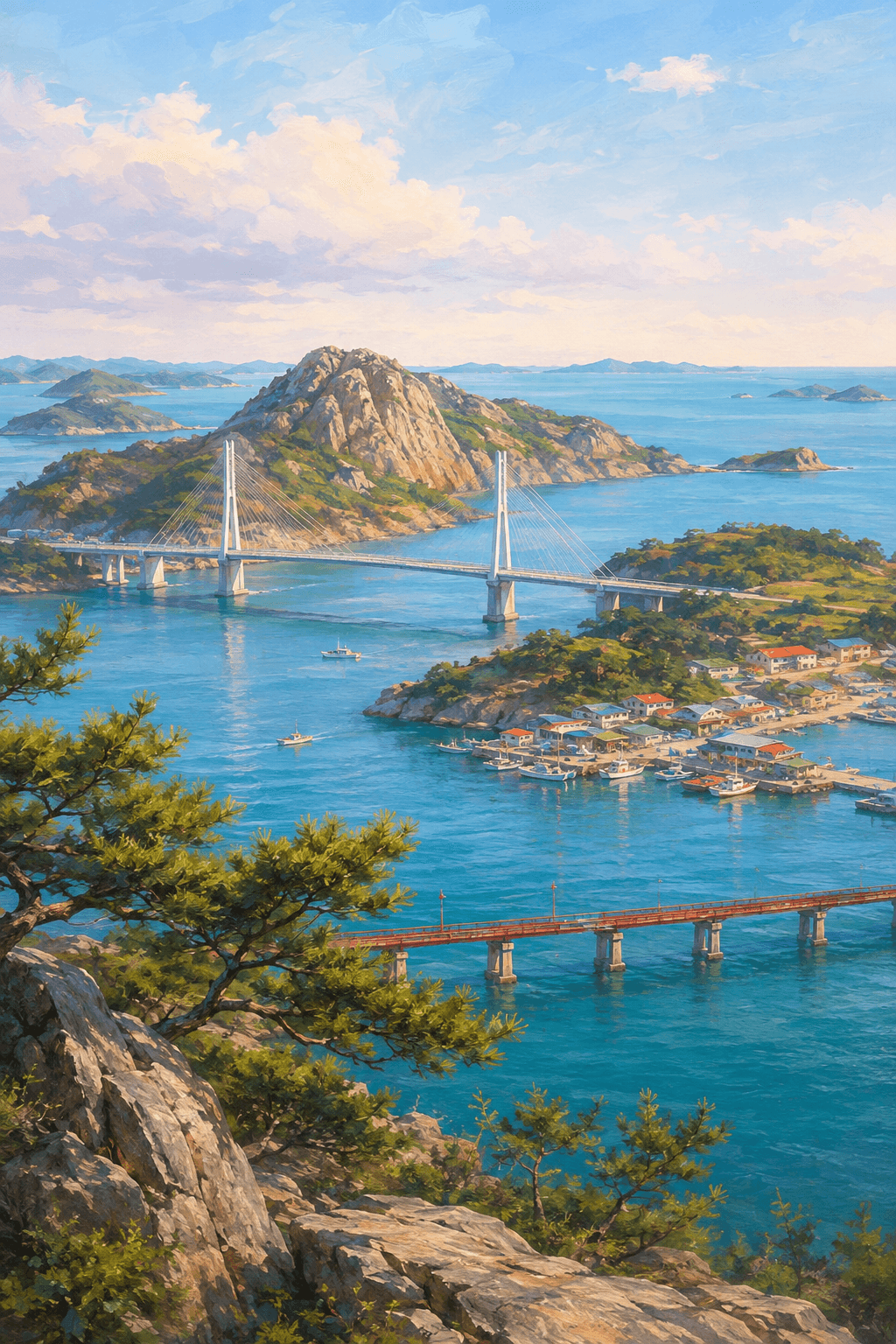
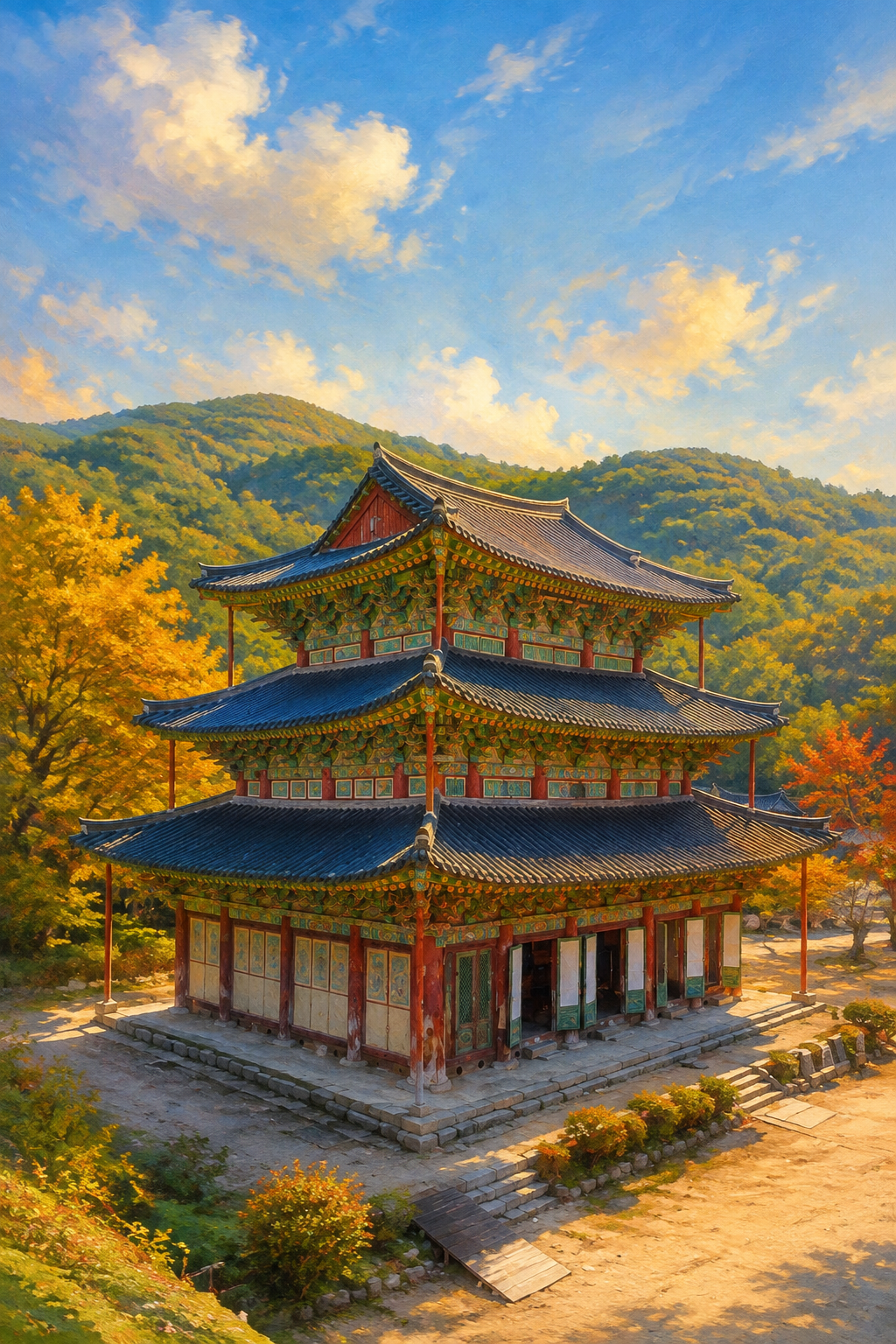
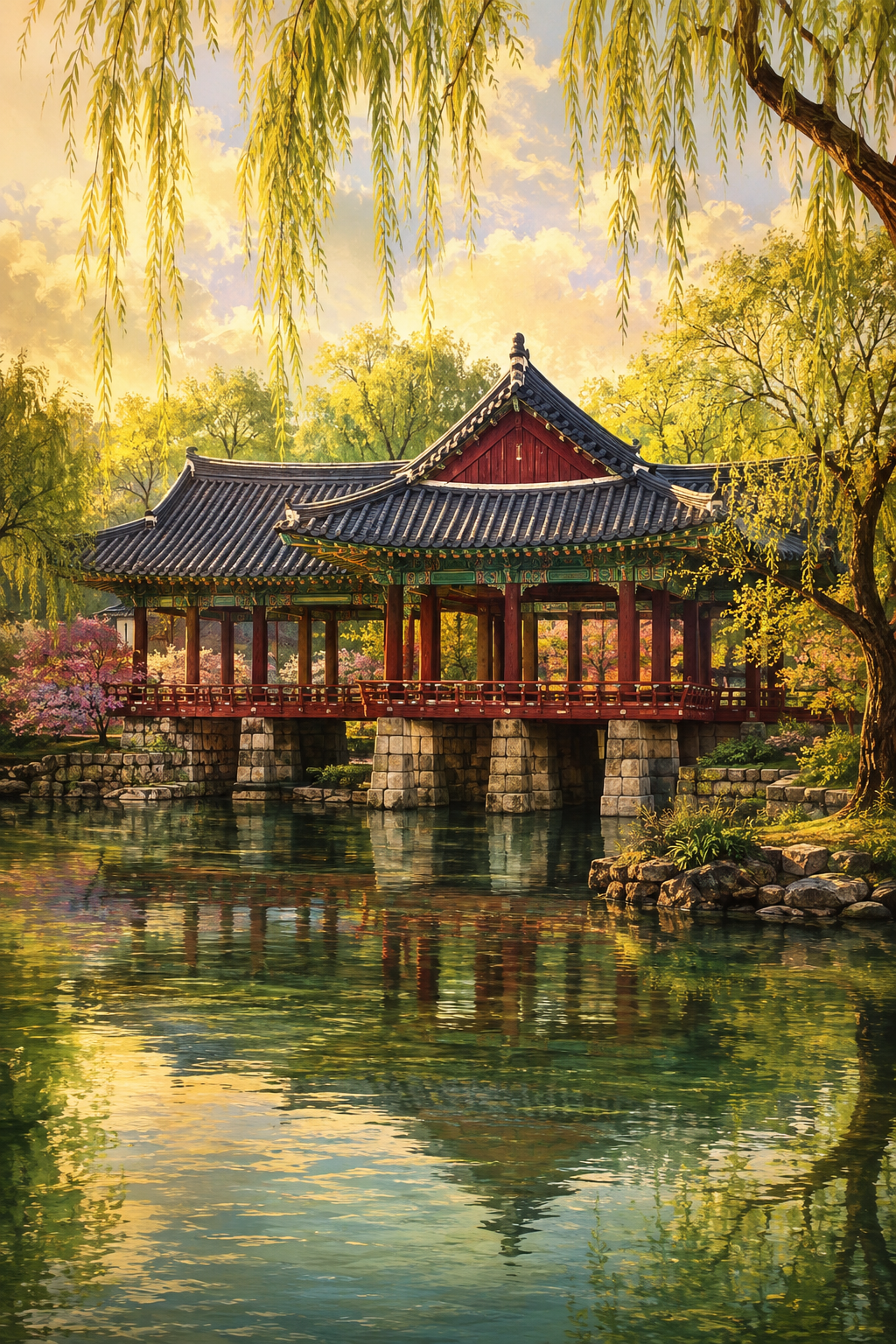
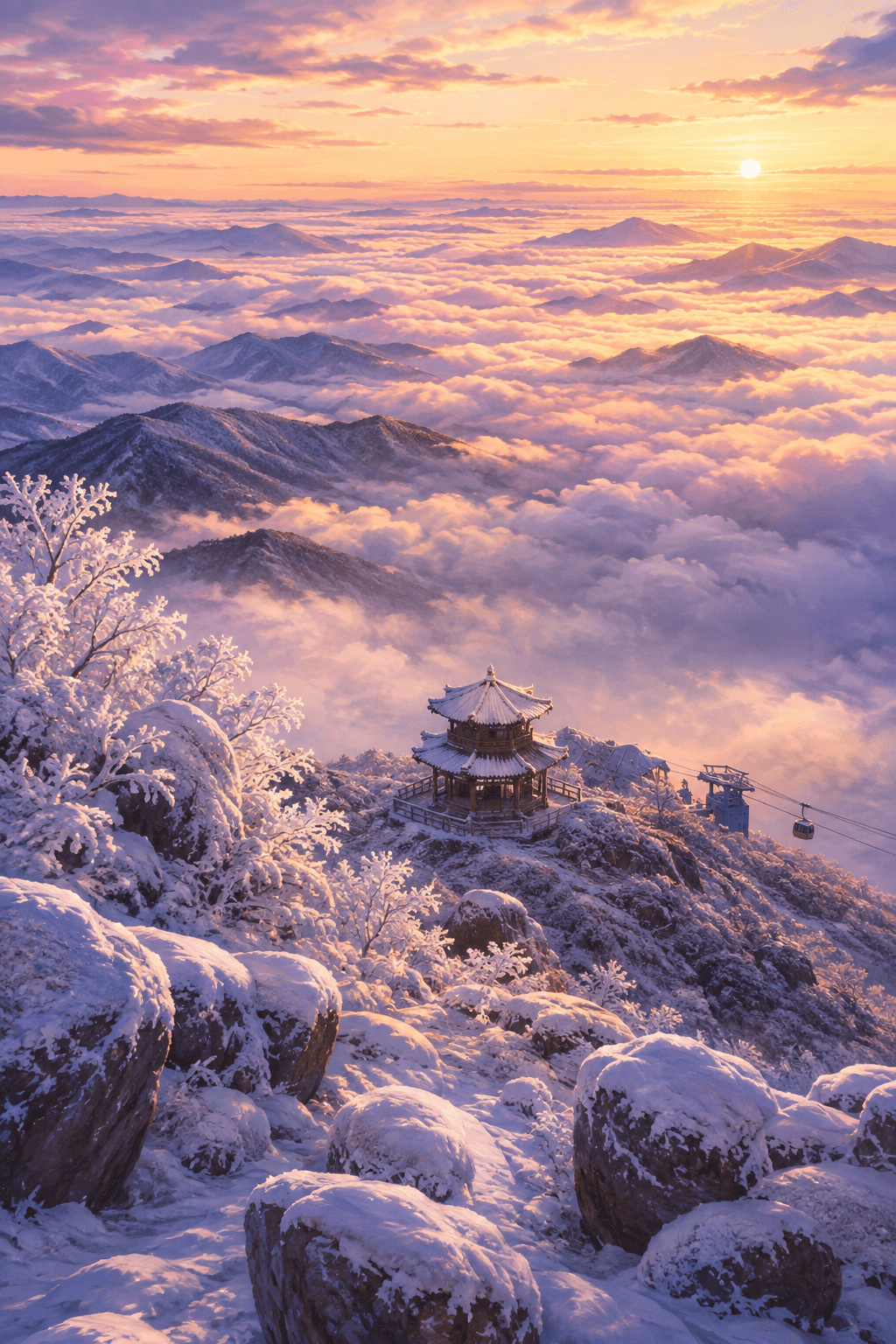
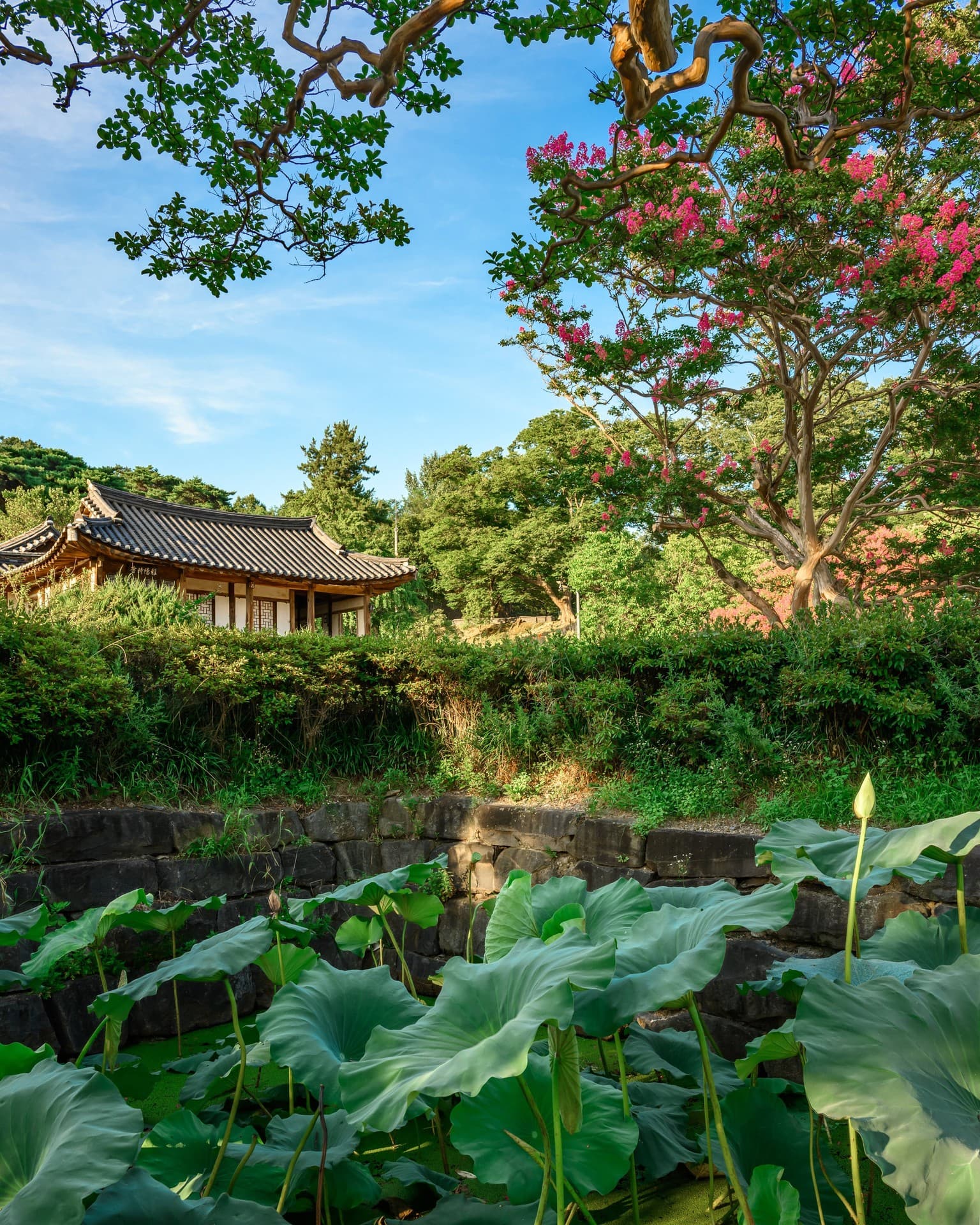
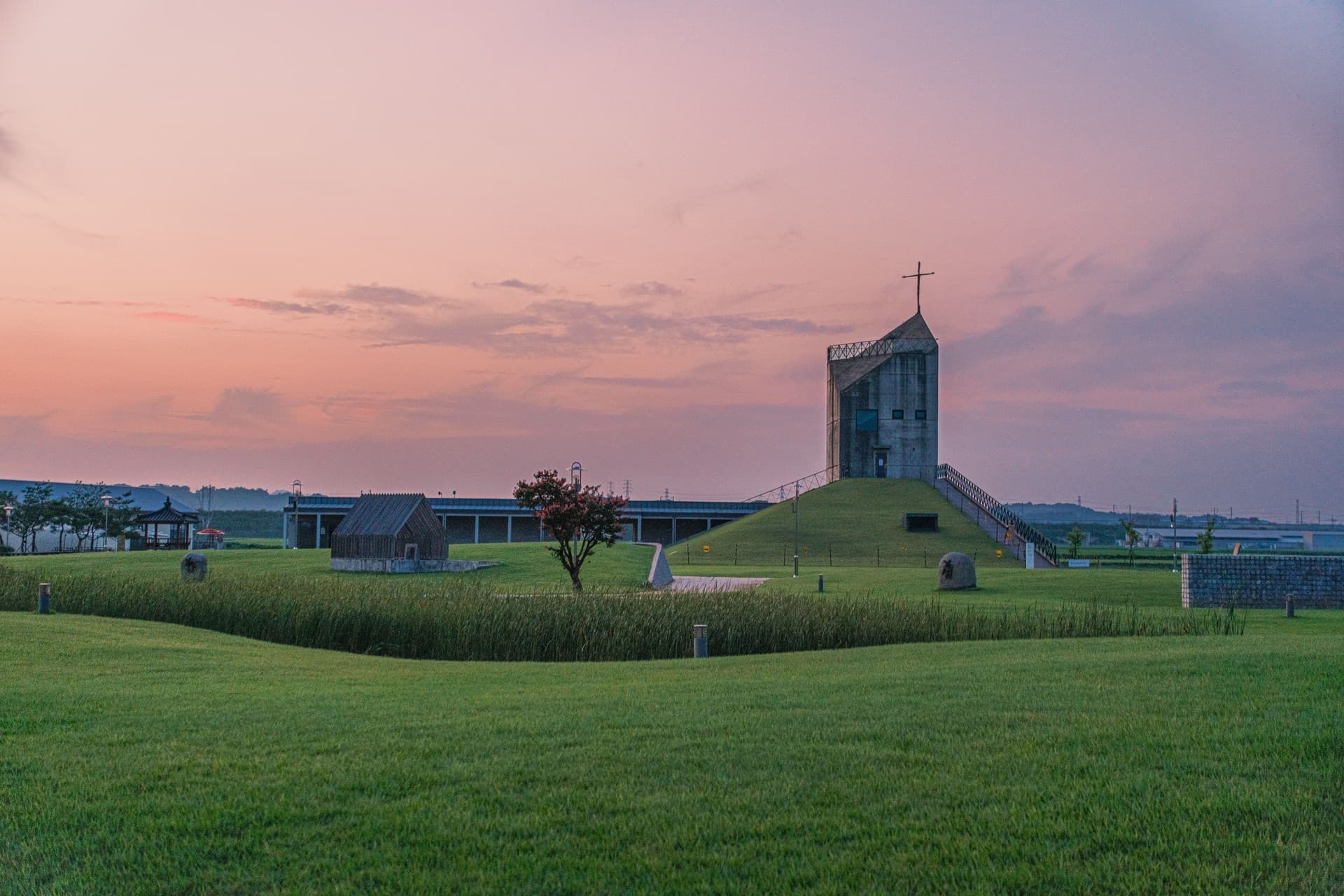
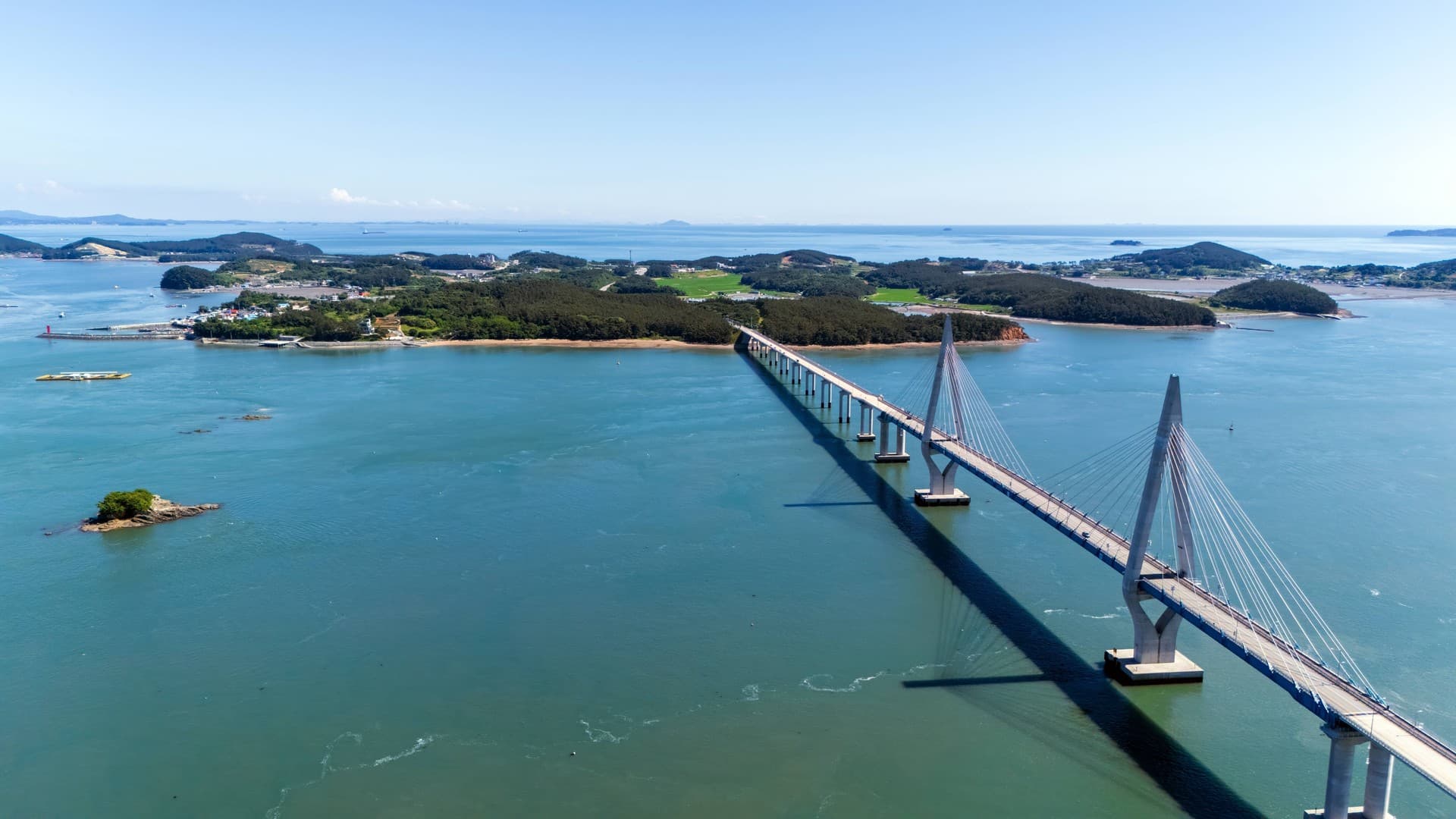
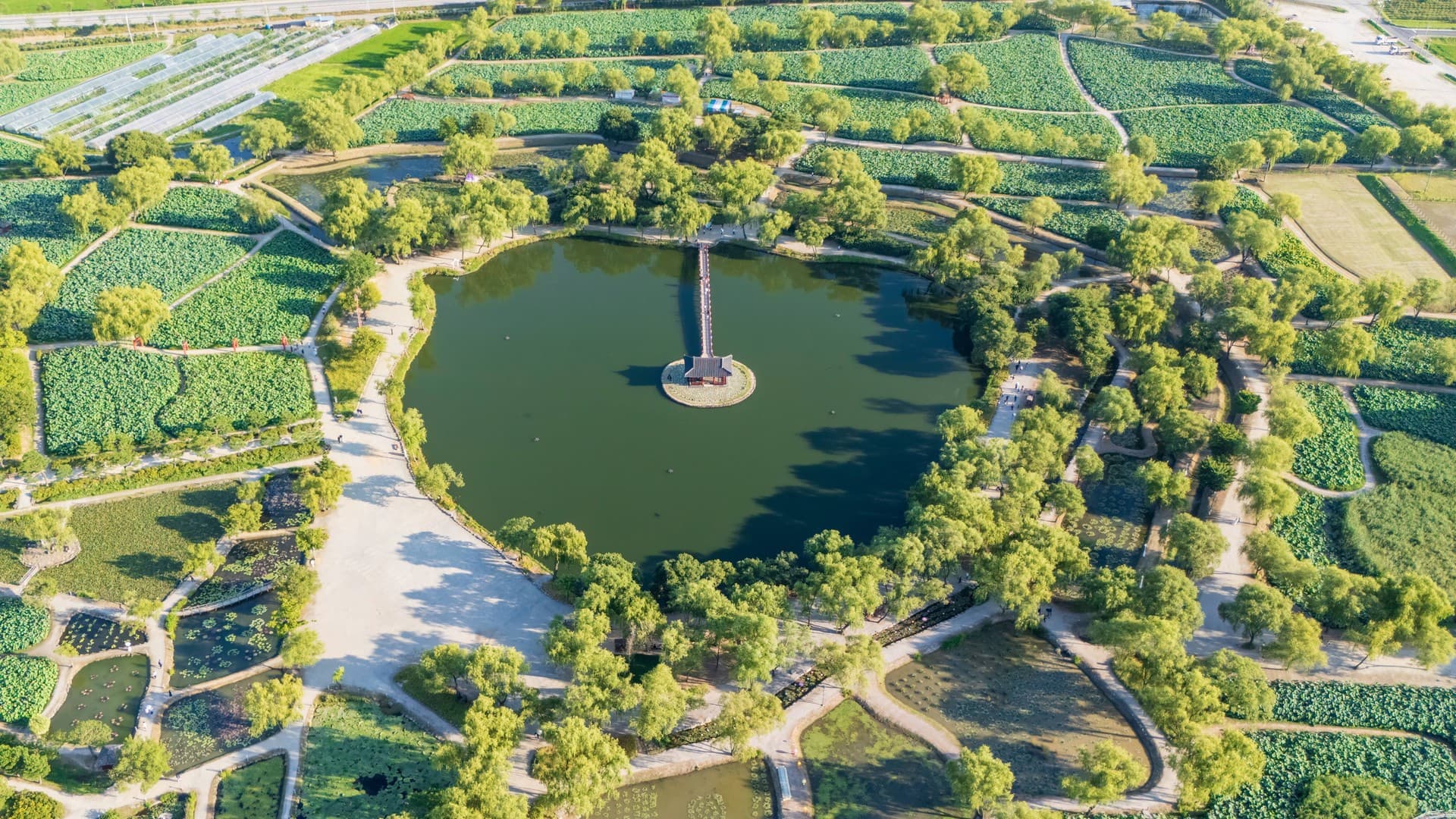
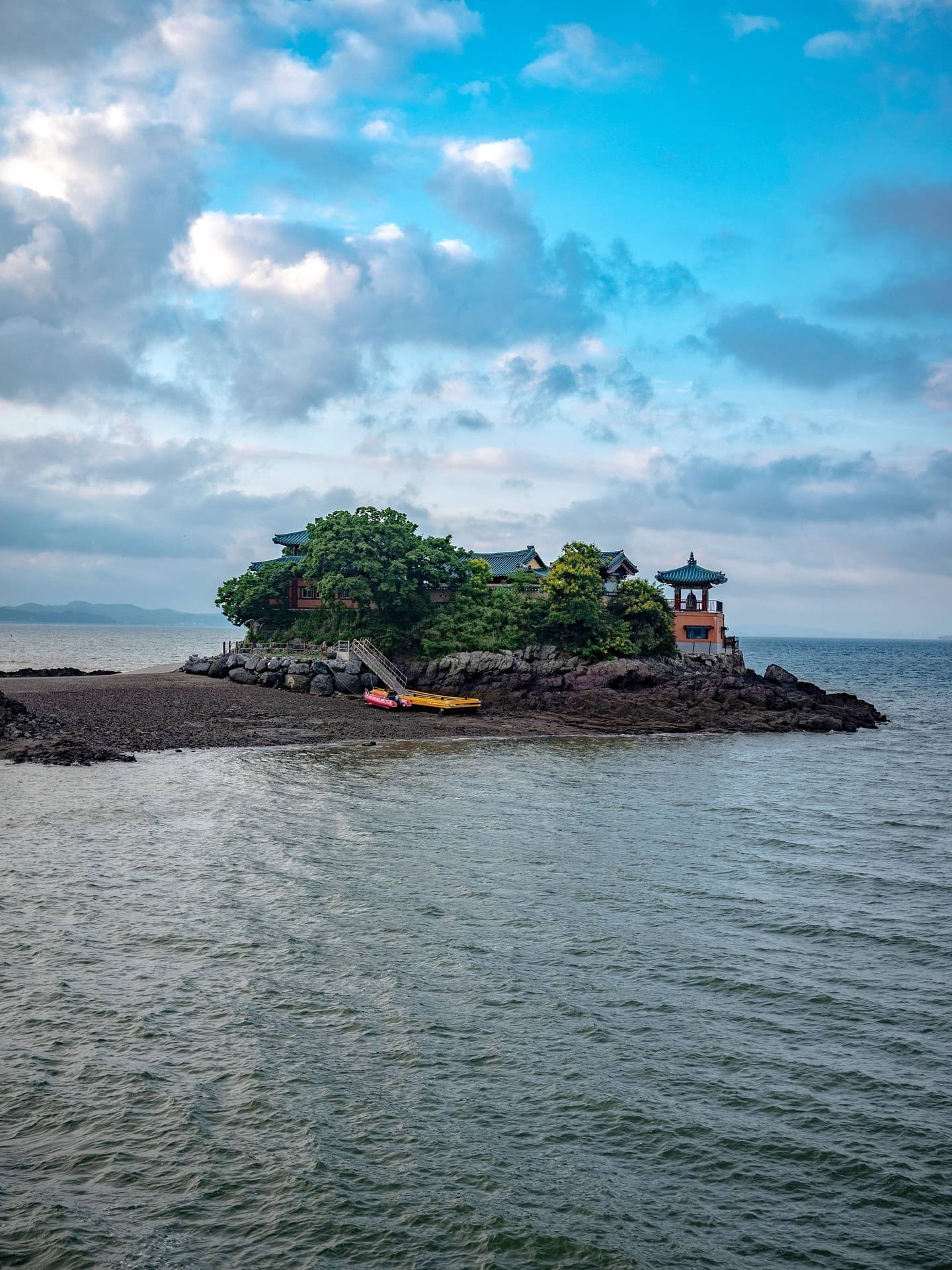
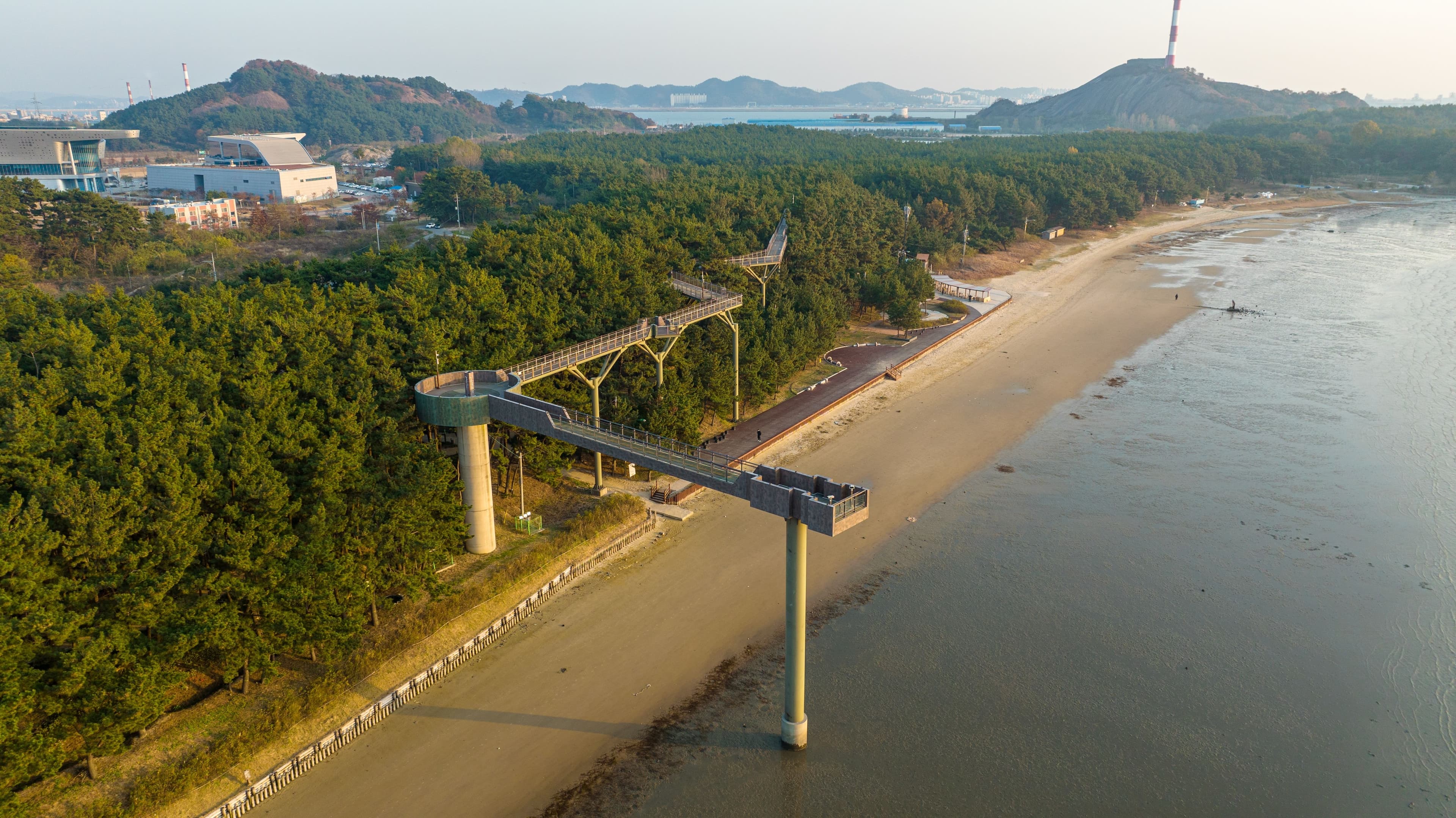
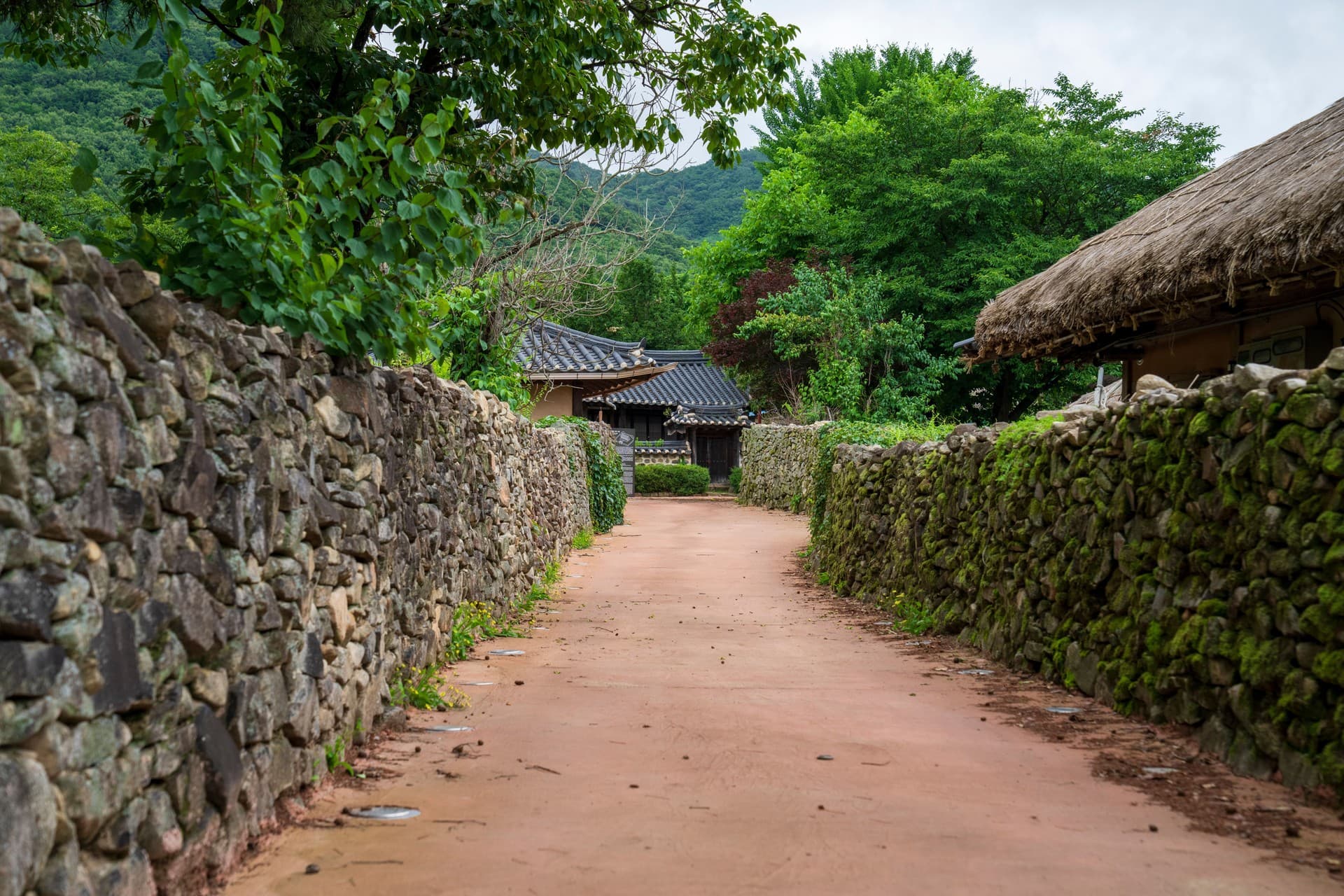
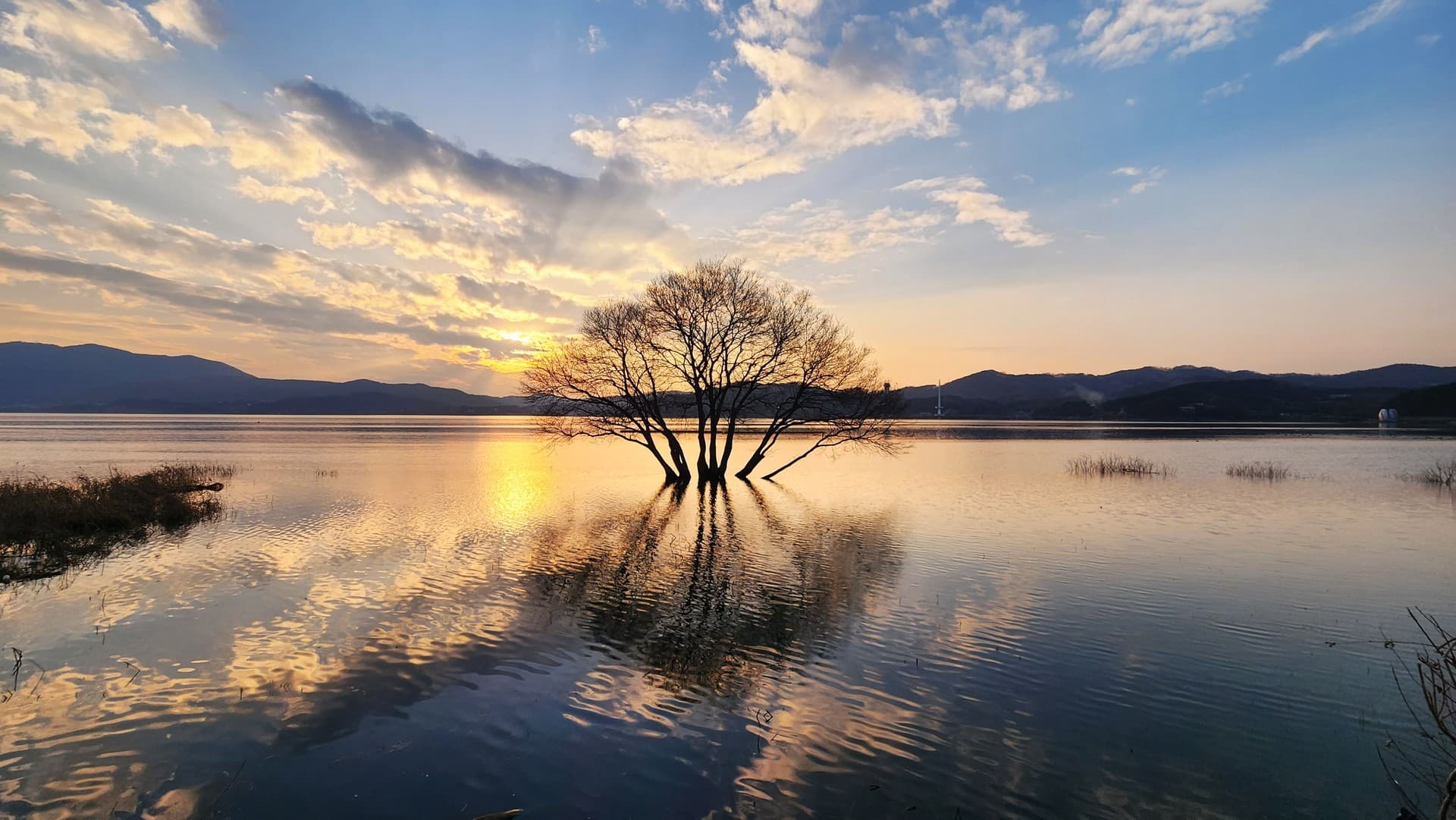
A location-based AR travel game where catching Duru reveals a random destination.
강원특별자치도
강릉시
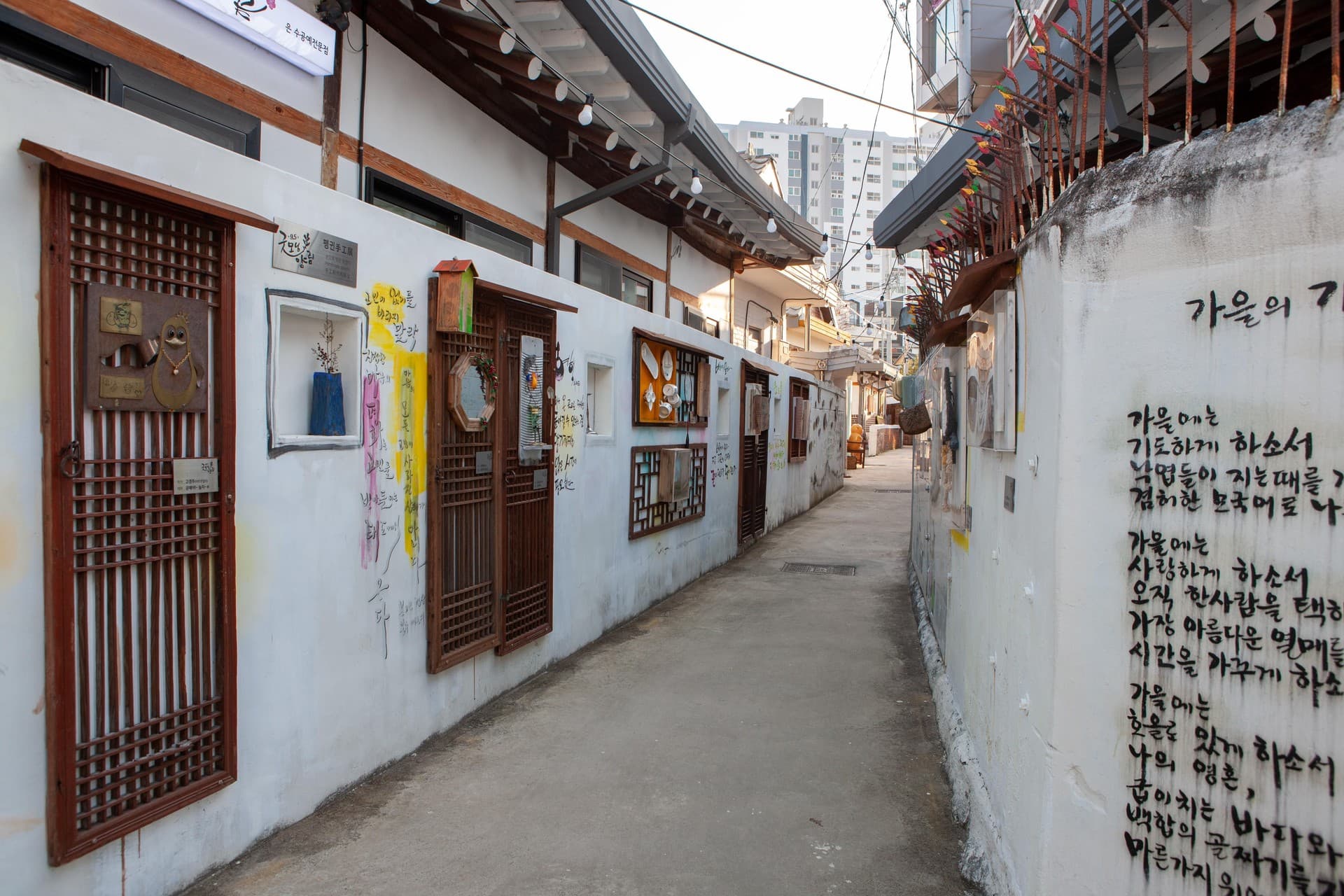
Gangneung offers more than the East Sea coast: lakeside walks, old hanok houses and the stories of historical figures, beachside coffee culture, and the railway and sunrise imagery of Jeongdongjin. Even the same sea leaves different memories at Gyeongpo, Anmok and Jeongdongjin.
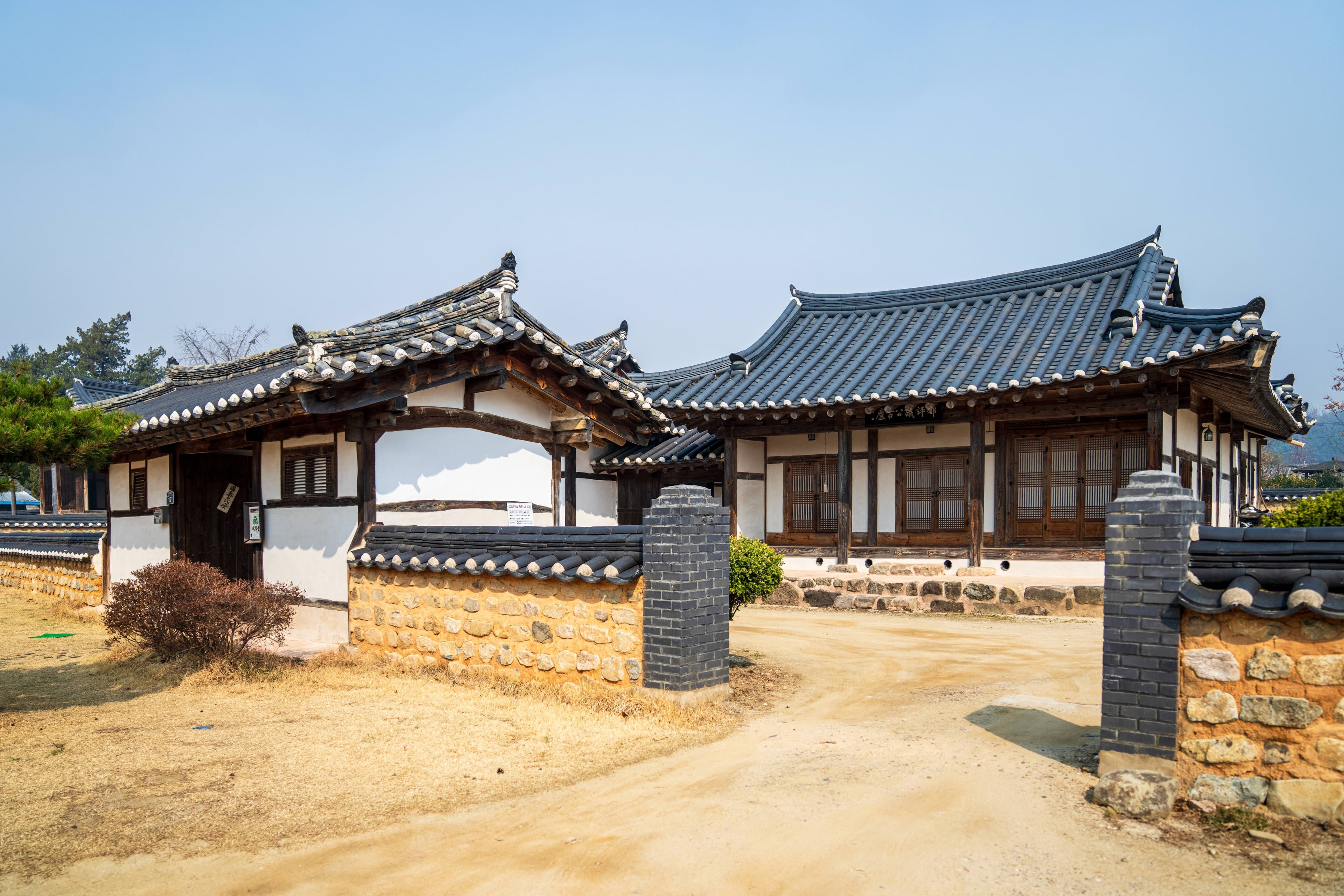
Goseong combines long East Sea beaches, lakes, old villages and history. Discover contrasting scenery in Hwajinpo and Songjiho's nature, Cheongganjeong's sea views and Wanggok Village's traditional houses.
In Donghae, the coast of Chotdaebawi Rock, deep Mureung Valley, Mukho's lived-in alleys and a natural cave in the city offer changing moods within short distances. Explore geology, mountain-and-water scenery and port culture beyond a single sea view.
Samcheok combines vast limestone caves, blue fishing-village shores, Gwandong pavilions and cultural spaces transforming former mining areas. Underground exploration, coastal views, history and industrial culture make even an unplanned visit rich in choice.
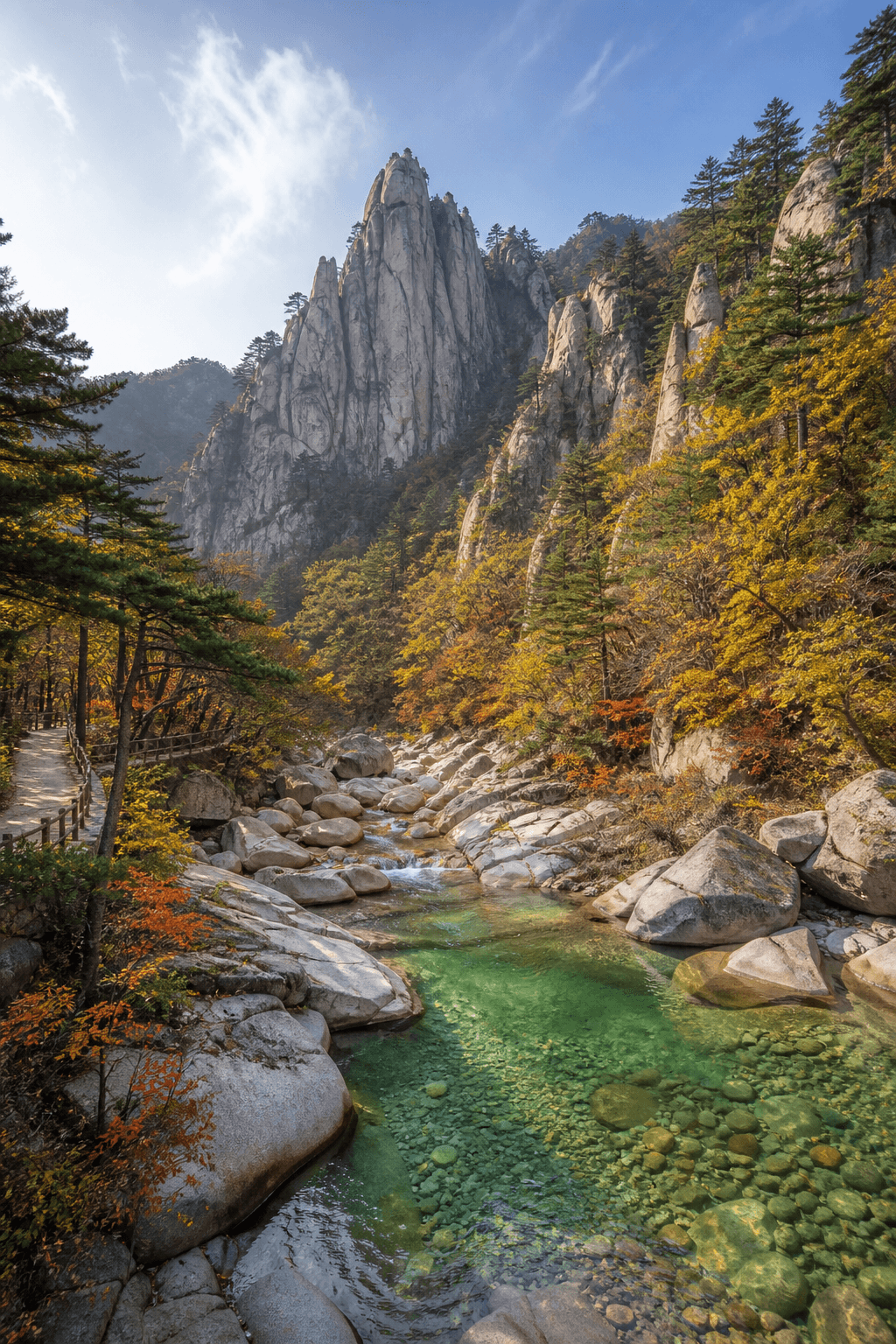
Sokcho brings Seoraksan's massive peaks, East Sea waves, tranquil Yeongnangho and Cheongchoho lakes, and the villages and market food of displaced families close together. Move between nature's grandeur and people's memories within one destination, finding a different pleasure in every season.
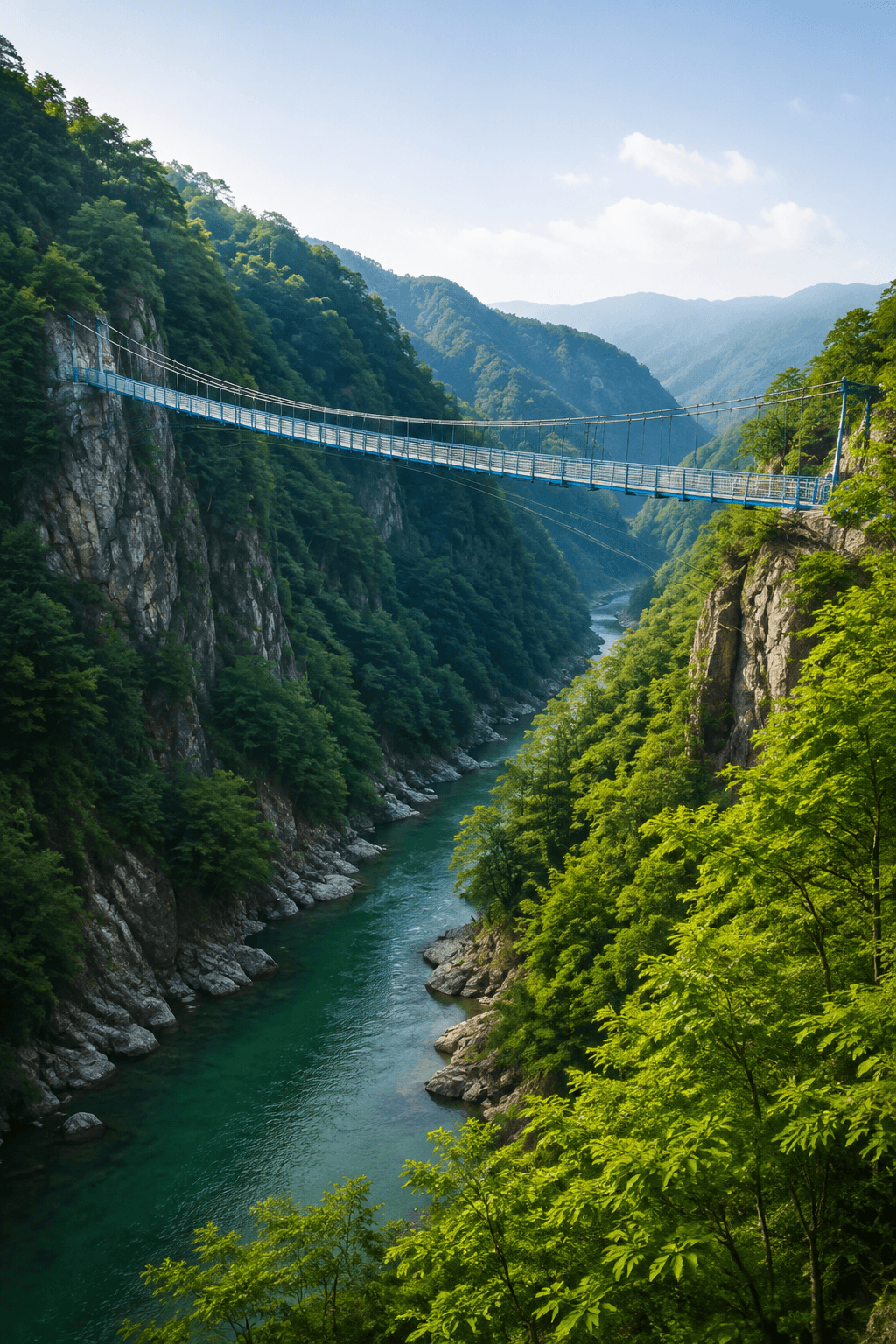
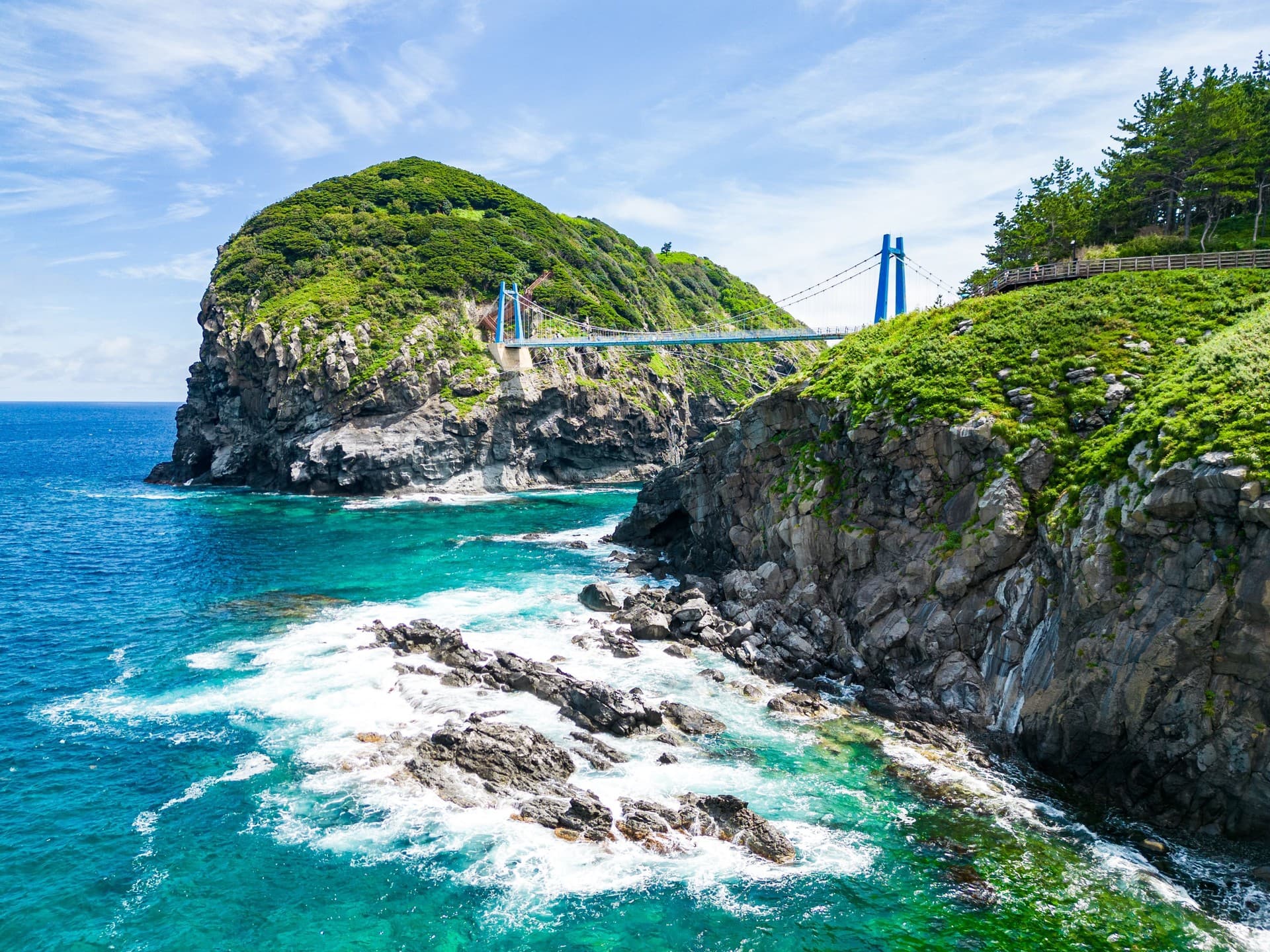
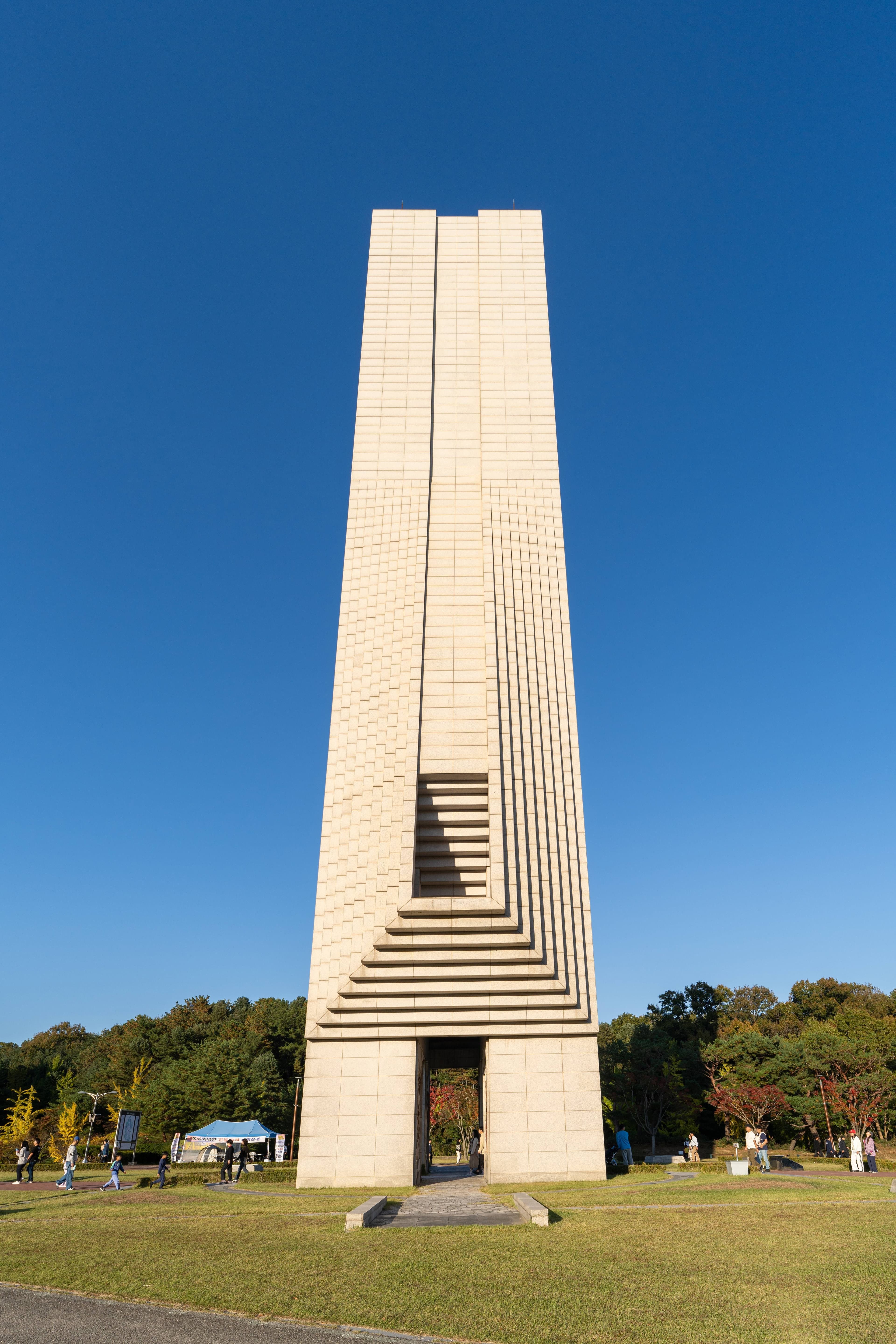
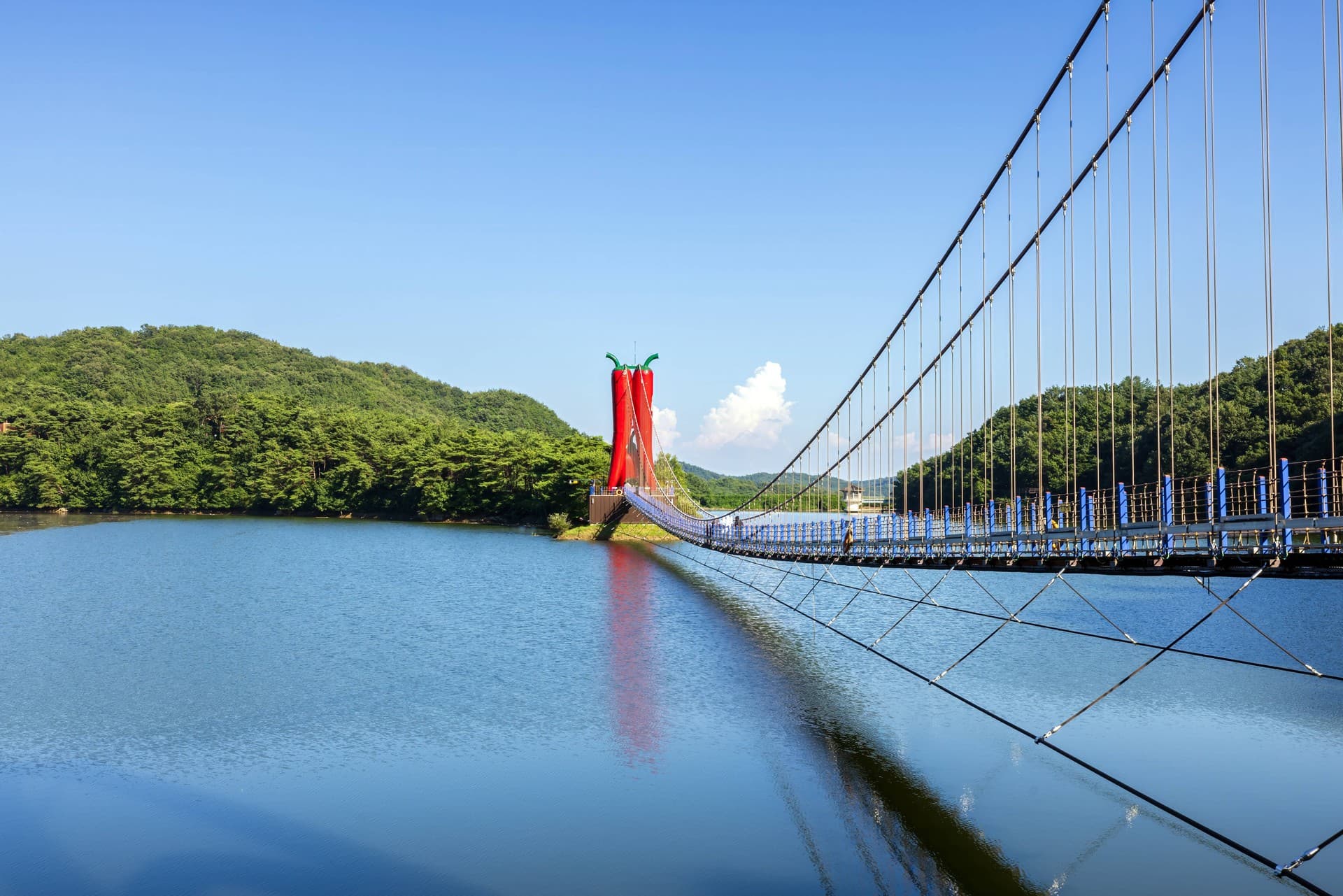
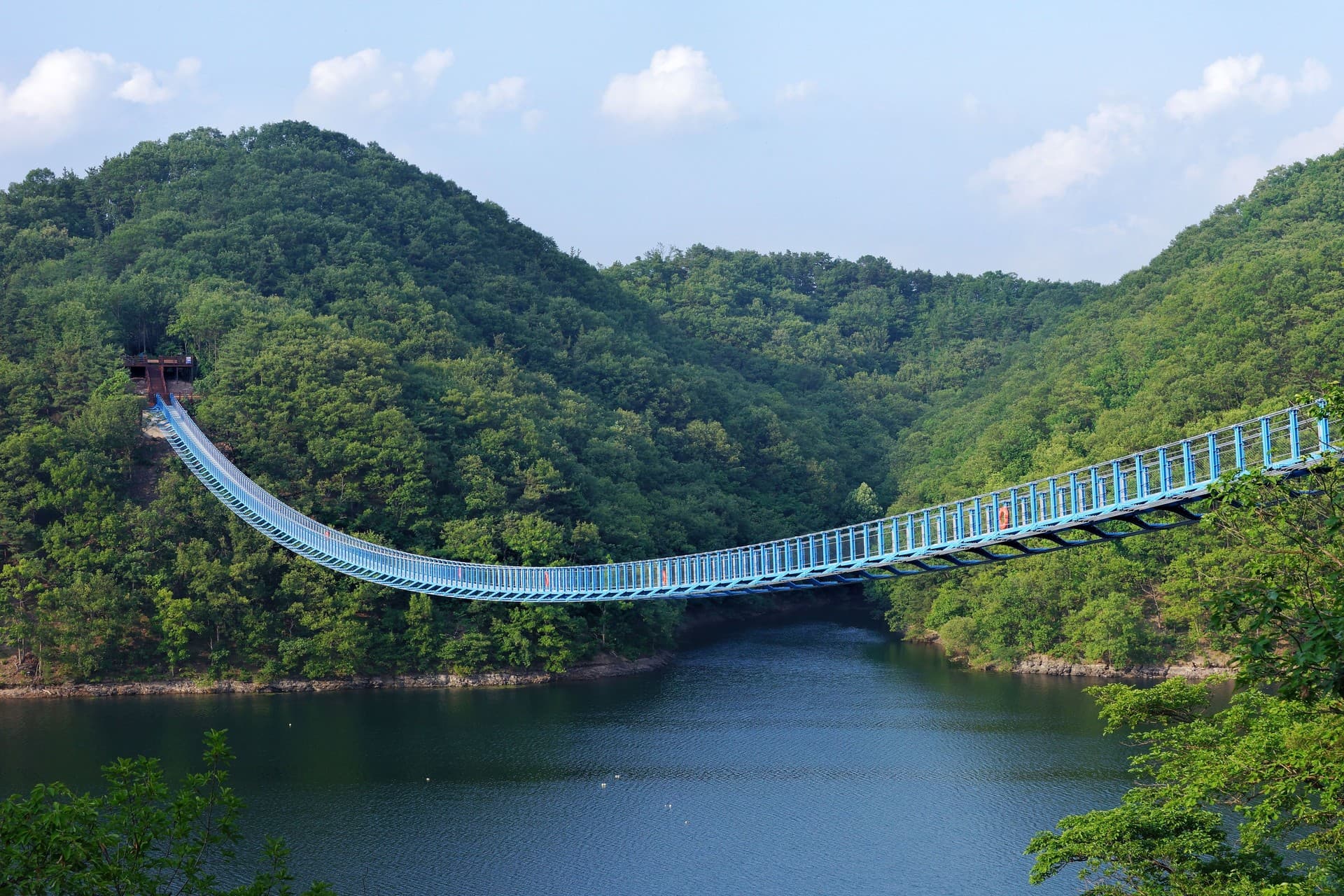
Yanggu links the scars of division with ecology, art and the distinctive story of Korea's geographic center. Dutayeon's clear valley, Park Soo-keun's unassuming paintings, Korean Peninsula Island and Sangmuryong Suspension Bridge reveal many sides of this border region.
Yangyang combines surfing beaches, sunrise at Naksansa and Uisangdae, Jujeongol's valleys and autumn foliage and port and market flavors. Traditional East Sea travel and youthful surf culture offer different journeys by season and taste.
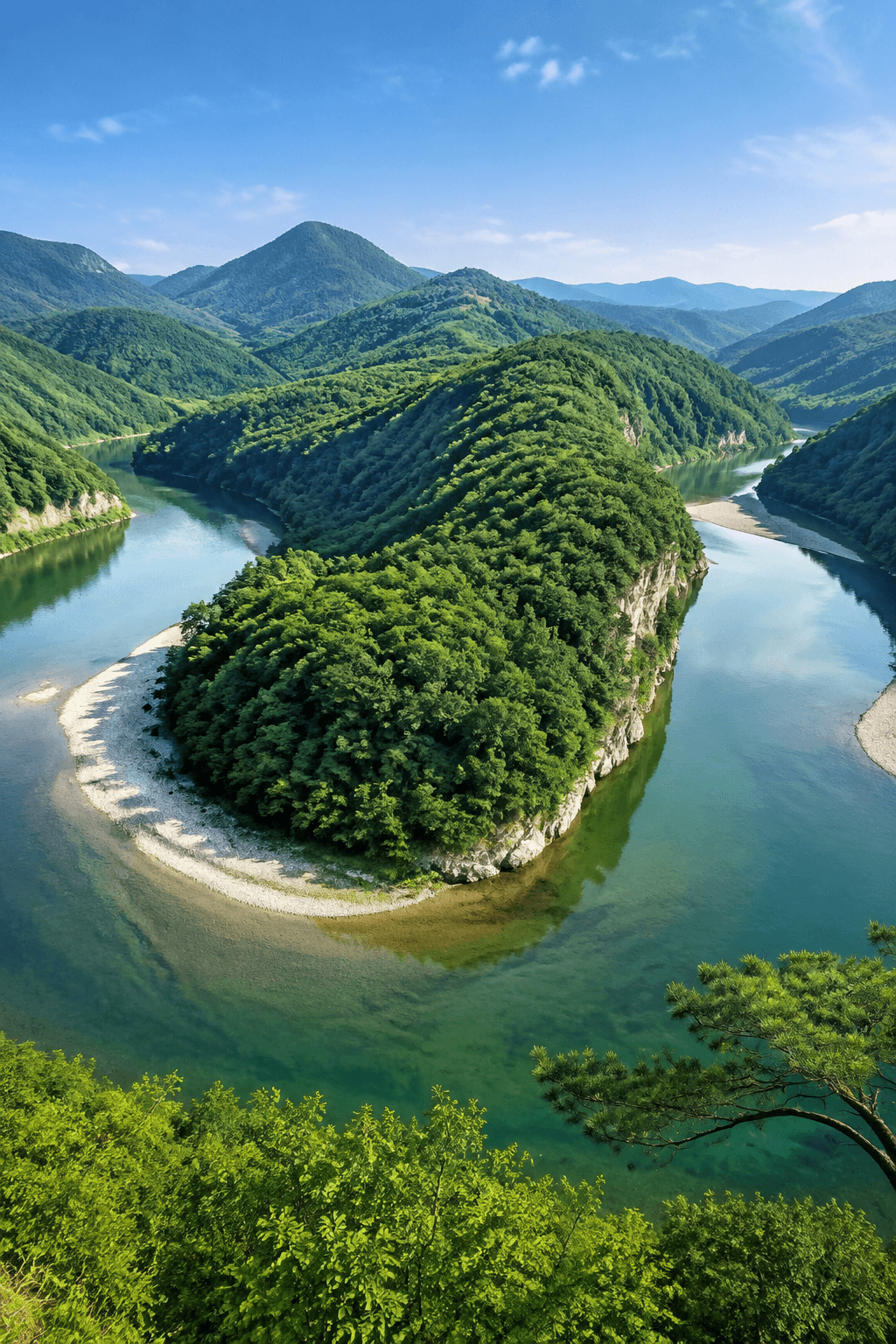
Yeongwol brings together King Danjong's history, a river-carved peninsula shape, mountaintop stargazing, caves and numerous museums. Beyond a quiet mountain retreat, it offers the intellectual pleasures of history, geology, astronomy and exhibitions.
Wonju combines Sogeumsan's elevated walking experiences, Chiaksan's forests, urban history at Gangwon Gamyeong and museum and market culture. Switch between active nature outings and quiet art and history walks within one destination.
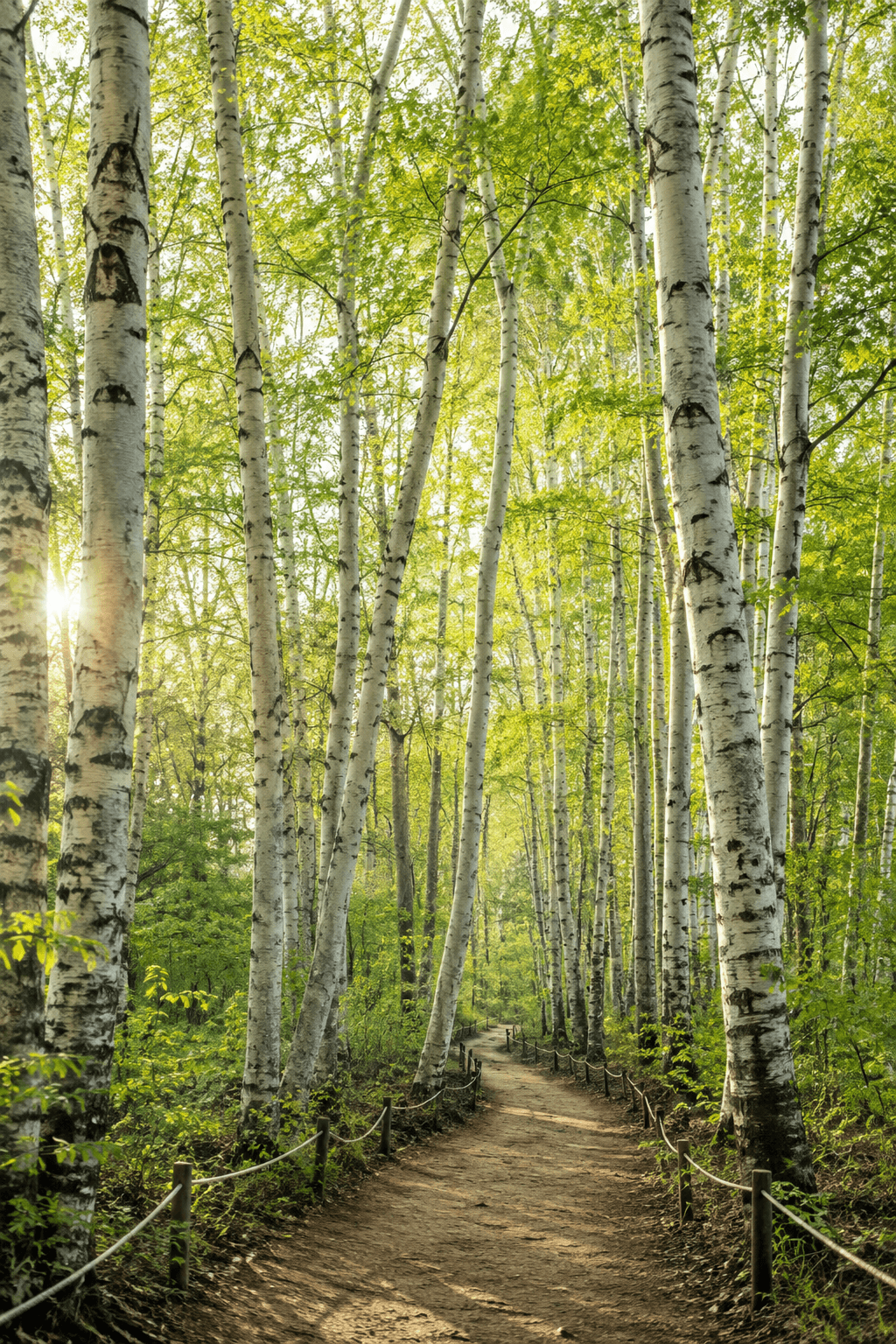
Inje combines white birch forests, Seoraksan's deep valleys, Baekdamsa's tranquility and the national park's dynamic nature. From quiet forest walks to mountain ecology and adventure, it reveals the breadth of Gangwon's highlands.
Jeongseon layers the sound of Arirang with deep gorges, caves, old mines, railways and mountain-market flavors. Scenery joins local life, industry and music, giving a mountain destination unexpected variety.
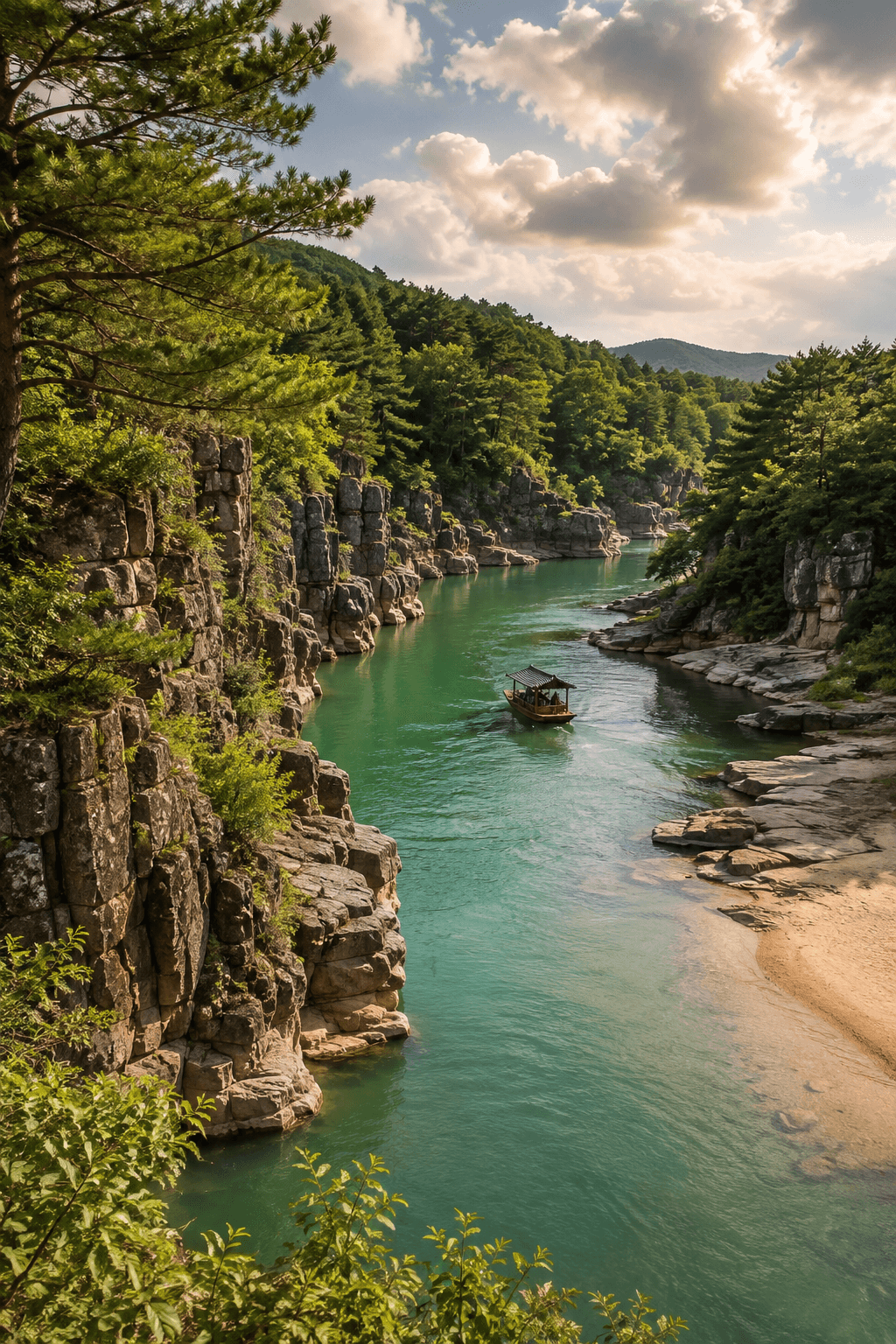
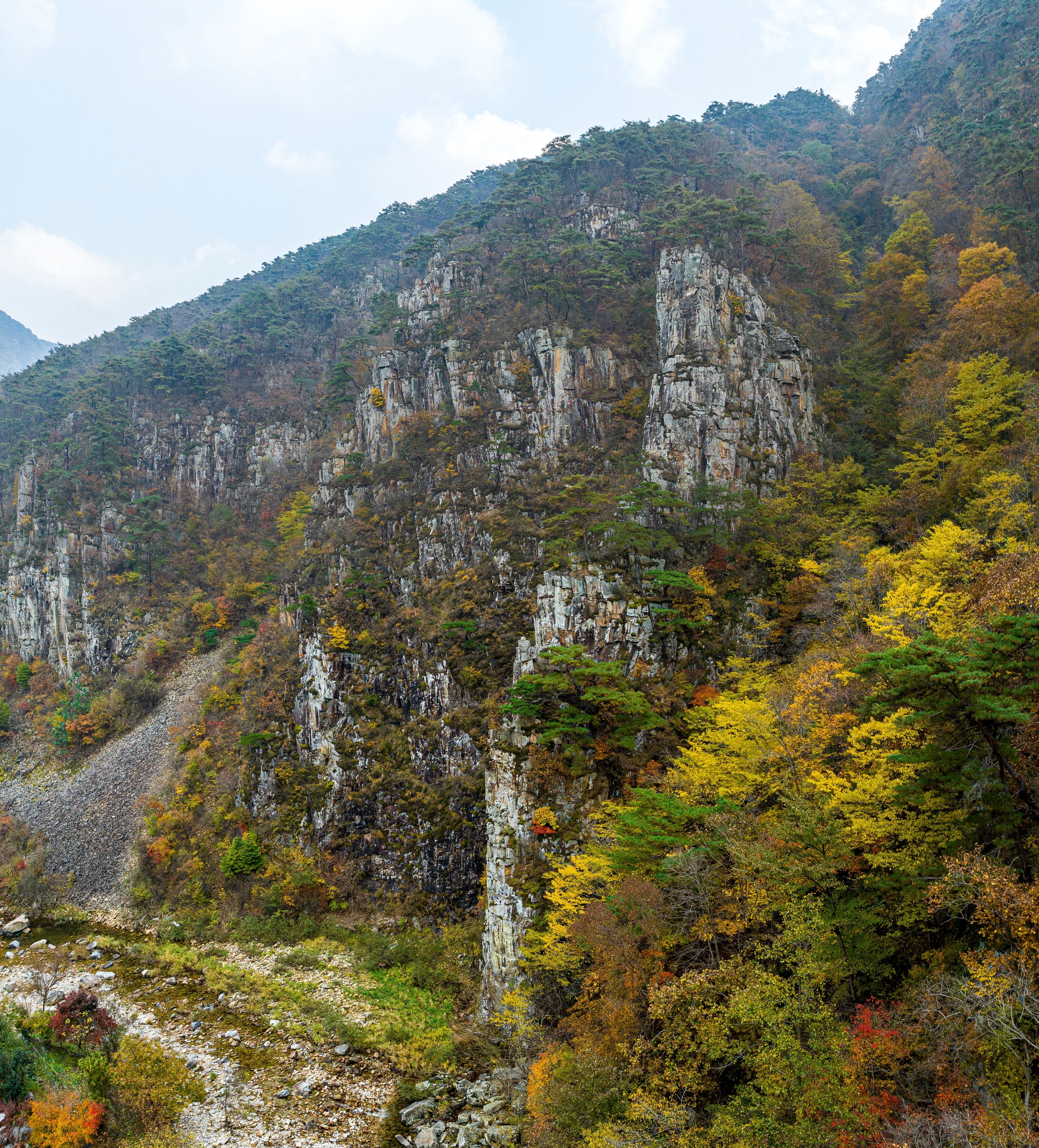
Cheorwon is a border destination of immense volcanic landforms along the Hantangang, traces of division, broad plains and crane habitats. Its columnar cliffs and the history of the Workers' Party Headquarters and Peace Observatory leave memories beyond scenery.
Chuncheon brings together lakes, rivers, literature, romance and lively experiences. From the broad waters of the Soyanggang to Kim Yu-jeong's stories and Samaksan's scenery, choose the mood of your journey.
Taebaek is a highland city defined by tall mountains, wind, the source of the Nakdonggang and memories of coal mining. Moving between Taebaeksan's nature and Cheoram's industrial heritage reveals an uncommon depth of Gangwon travel.
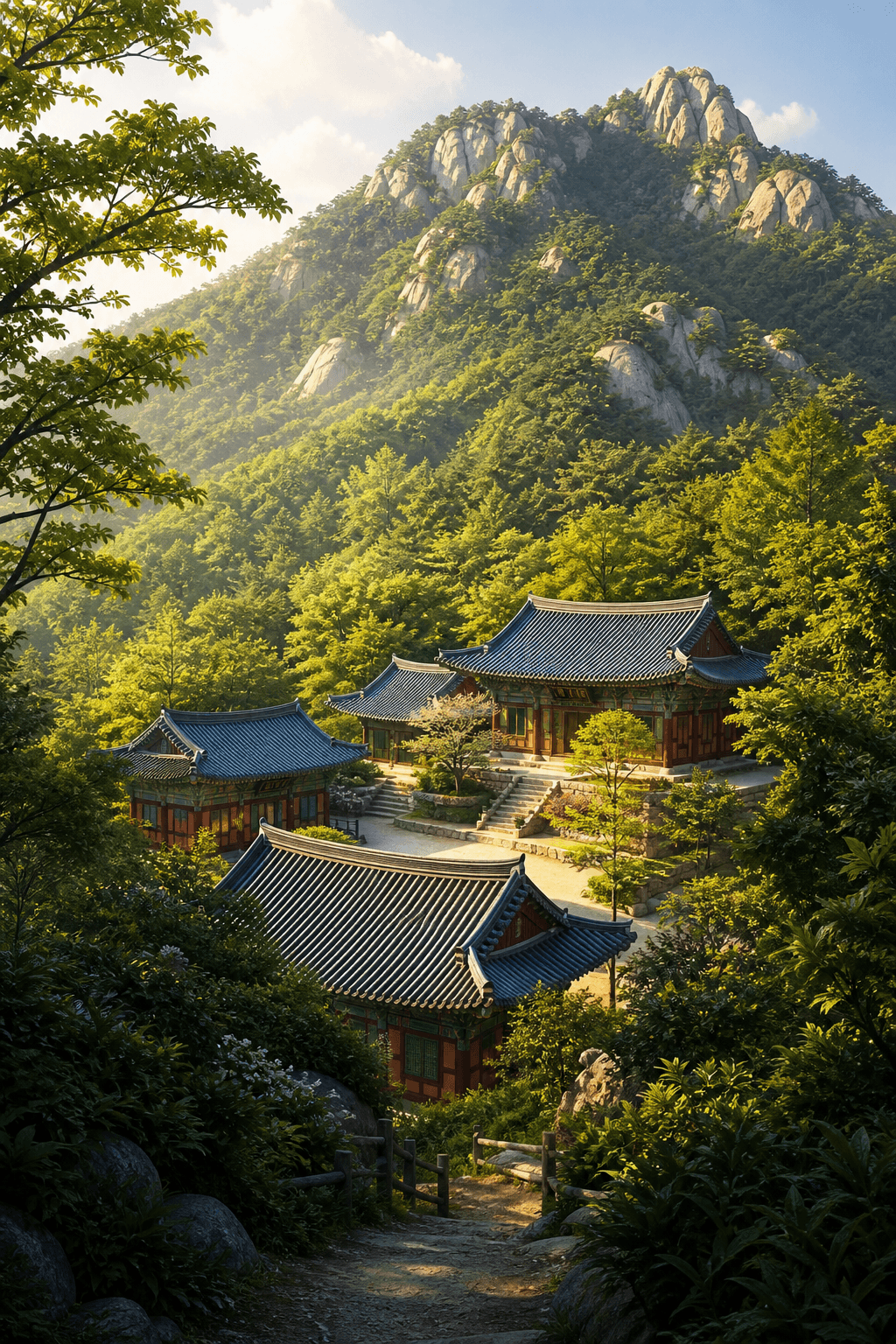
Pyeongchang combines Daegwallyeong's grasslands, Odaesan's forests, Olympic memories and Bongpyeong's literature and buckwheat blossoms. Open highland vistas, old temples and cultural stories offer different pleasures each season.
Hongcheon offers Hongcheongang watersides, Sutasa and its ecological forest, and family animal encounters and outdoor sports across a broad area. From quiet temple walks to active outdoor experiences, nature travel comes in many forms.
Hwacheon is a water-centered destination of Paro Lake, deep valleys, the Peace Dam and winter mountain-trout culture. Border history, pristine nature and seasonal festivals offer varied experiences in a small county.
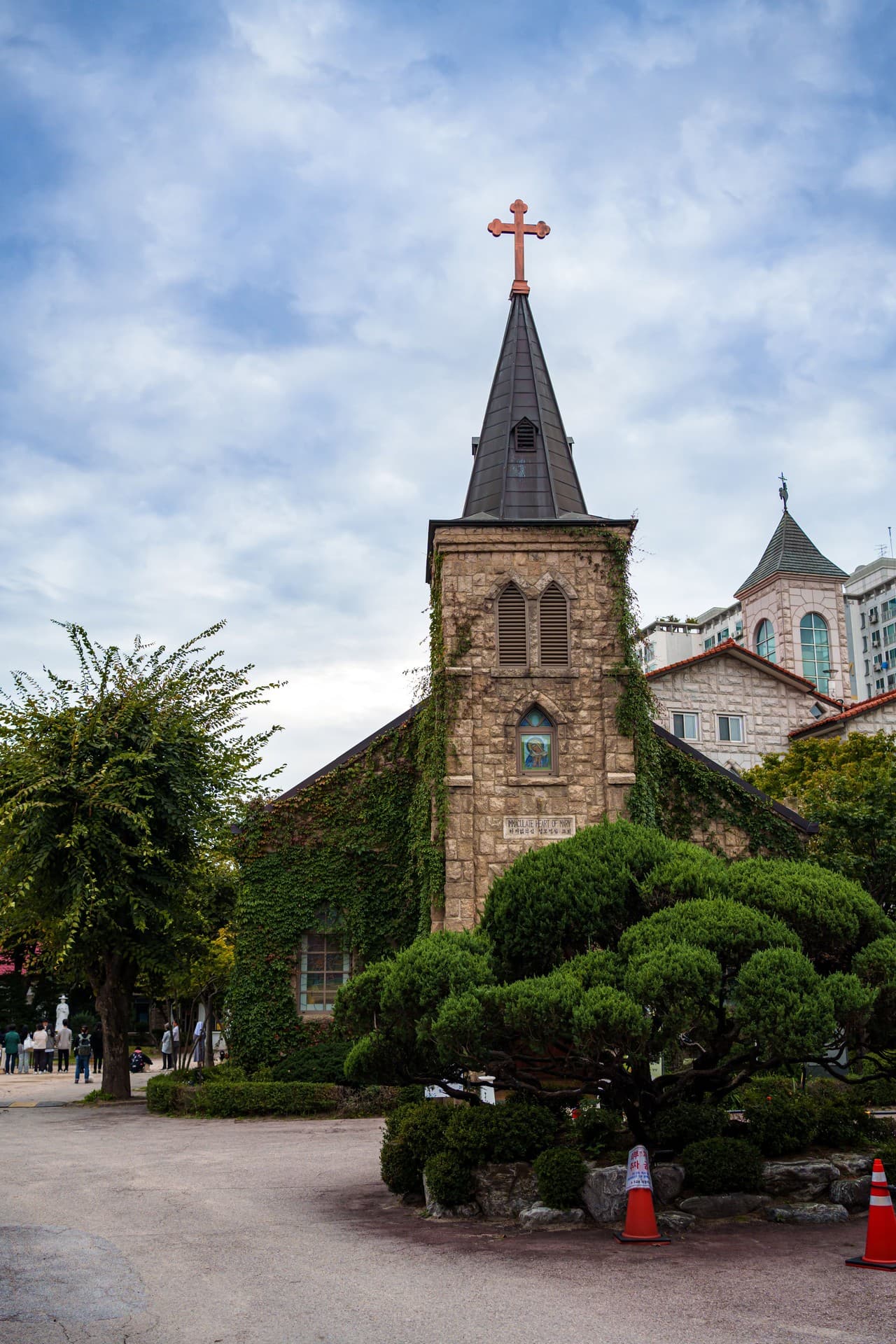
Hoengseong is an inland destination of tranquil lakeside paths, old churches, forests, ranches and Hanwoo beef culture. Beyond its famous food, walks, history and rural scenery can fill a rewarding journey.
Gapyeong is a leading nature getaway near Seoul, combining the Bukhangang, islands, deep mountains, valleys, gardens and music festivals. Enjoy lively watersides, quiet forests and distinctive cultural spaces to suit your tastes.
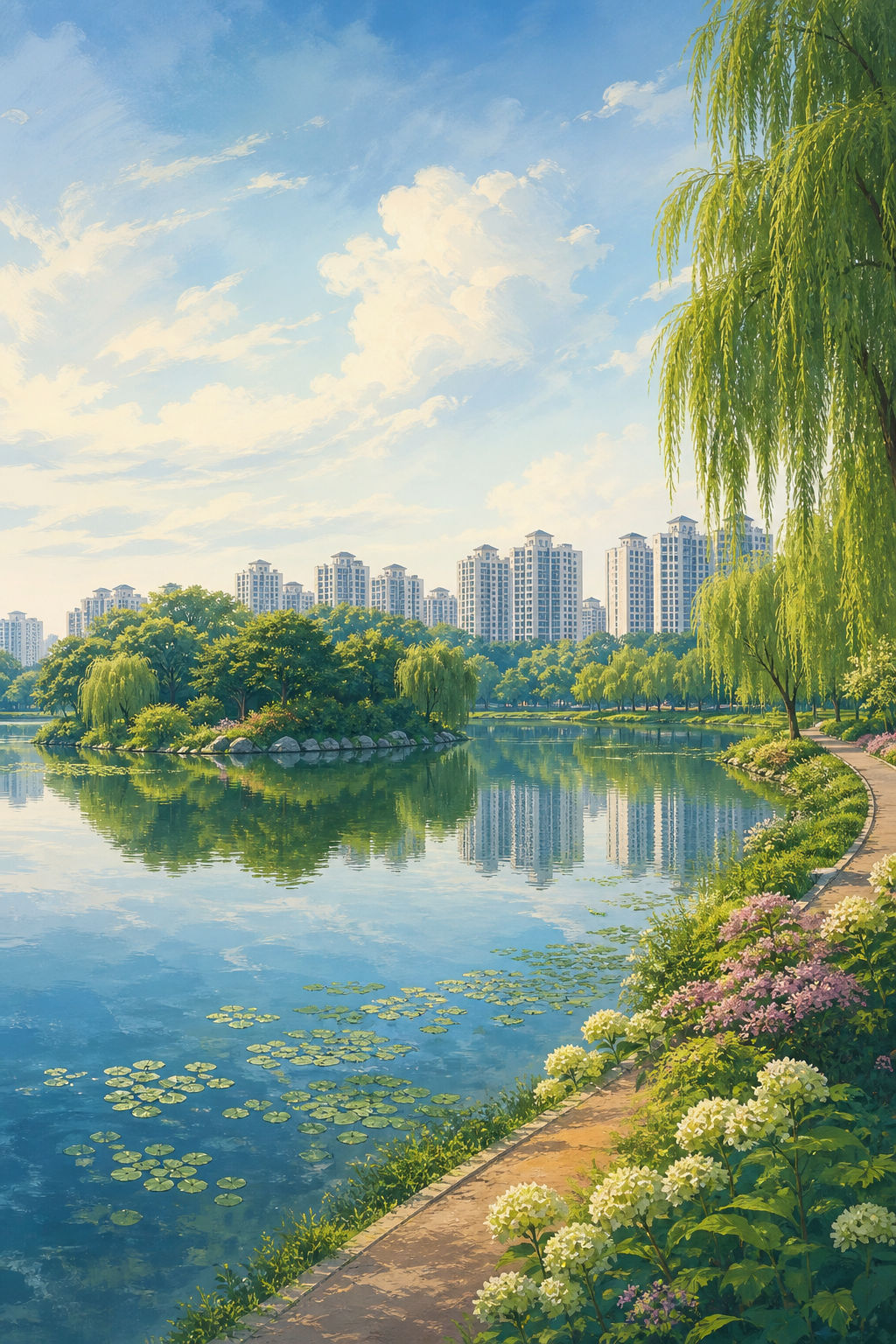
Goyang combines urban leisure at Ilsan Lake Park, war history at Haengjusanseong, royal history at Seooreung and major exhibitions and performances. Beyond its new-town image, one city offers nature, history and contemporary cultural events.
Gwacheon is a cultural city where a grand park, art museum and science museum below Cheonggyesan sit near Chusa's art and Gwanaksan's forests. Freely combine family activities, art, history walks and nature in one destination.
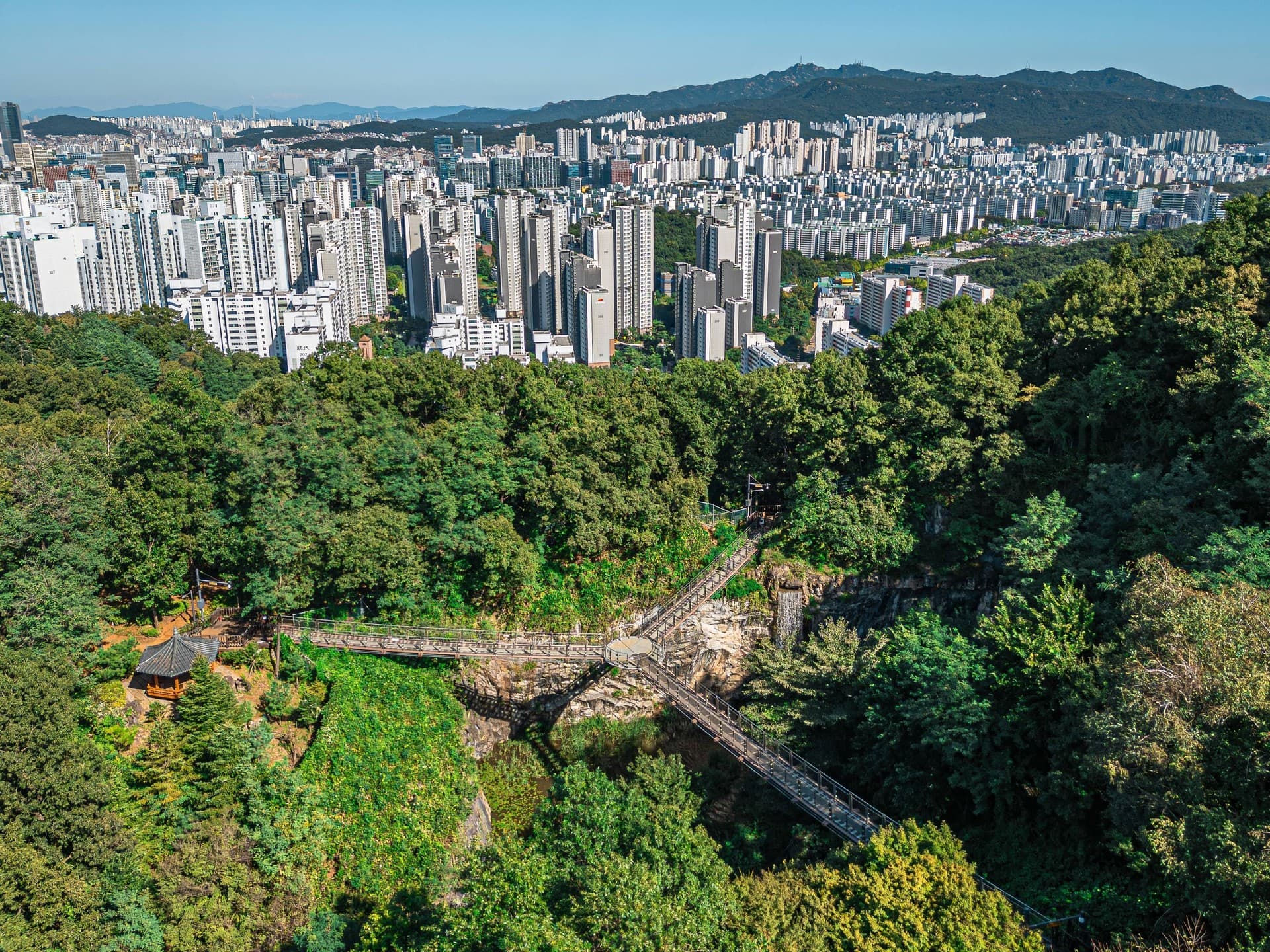
Gwangmyeong combines a former mine reborn as Gwangmyeong Cave, forest views at Dodeoksan Suspension Bridge and a lively traditional market. Meet industrial heritage, nature and everyday culture in one journey.
Gwangju in Gyeonggi combines Hwadamsup's seasonal gardens, Paldang Lake's waters and Joseon royal pottery traditions. Move between forest, waterside and museums to enjoy nature and culture together.
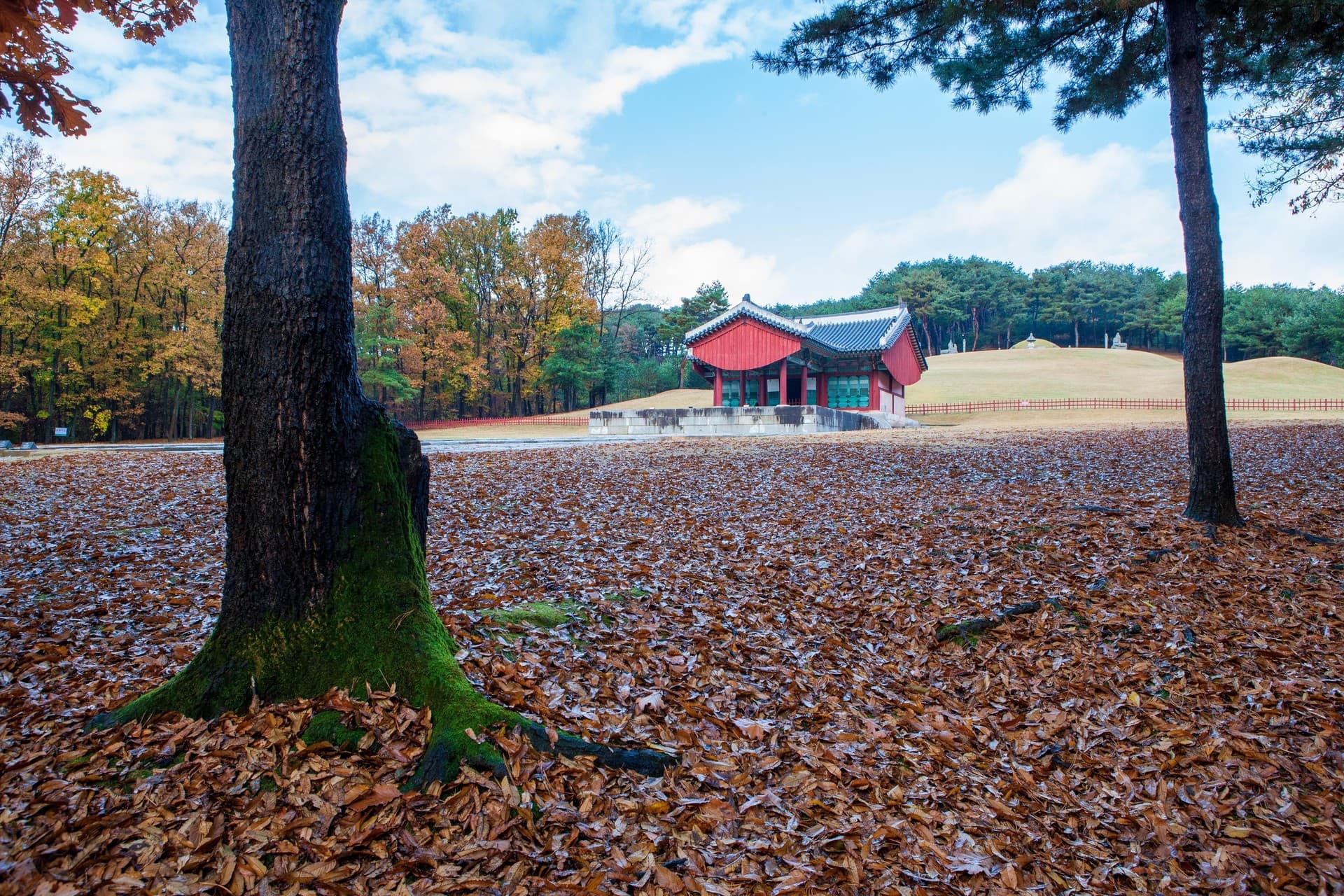
Guri brings together the forests of Joseon royal tombs, Goguryeo stories, lakes and Hangang parks. This compact city offers a rich mix of royal history, ancient culture and relaxed waterside walks.
Gunpo brings together the mountain temple Surisa, Chomakgol's natural habitats and tranquil Banwol Lake. Forest and waterside walks reveal the changing seasons close to the city.
Gimpo combines peace-oriented ecology at the Hangang estuary, Munsusan views, Ara Waterway culture and old harbor history. Border tension, modern recreation and the presence of mountains and sea can all be felt together.
Namyangju combines Jeong Yak-yong's practical learning, the depth of Gwangneung Forest and the broad waters of Paldang Lake and the Bukhangang. Historical reflection flows naturally into ecological walks, cafés and waterside culture.
Dongducheon combines Soyosan's autumn foliage and valleys, memories of the Korean War and Bosan-dong's multicultural music scene. Its border-city history, nature and distinctive contemporary culture create unexpected contrasts.
Bucheon is a cultural city dense with comics, film, art spaces in former industrial sites, lakes and arboretums. Imagination, urban regeneration and indoor and outdoor activities give the journey its appeal.
Seongnam combines Tancheon Stream and Bundang's parks with the bustle of Moran Market and contemporary Pangyo. Waterside walks and market visits reveal the many sides of this planned city.
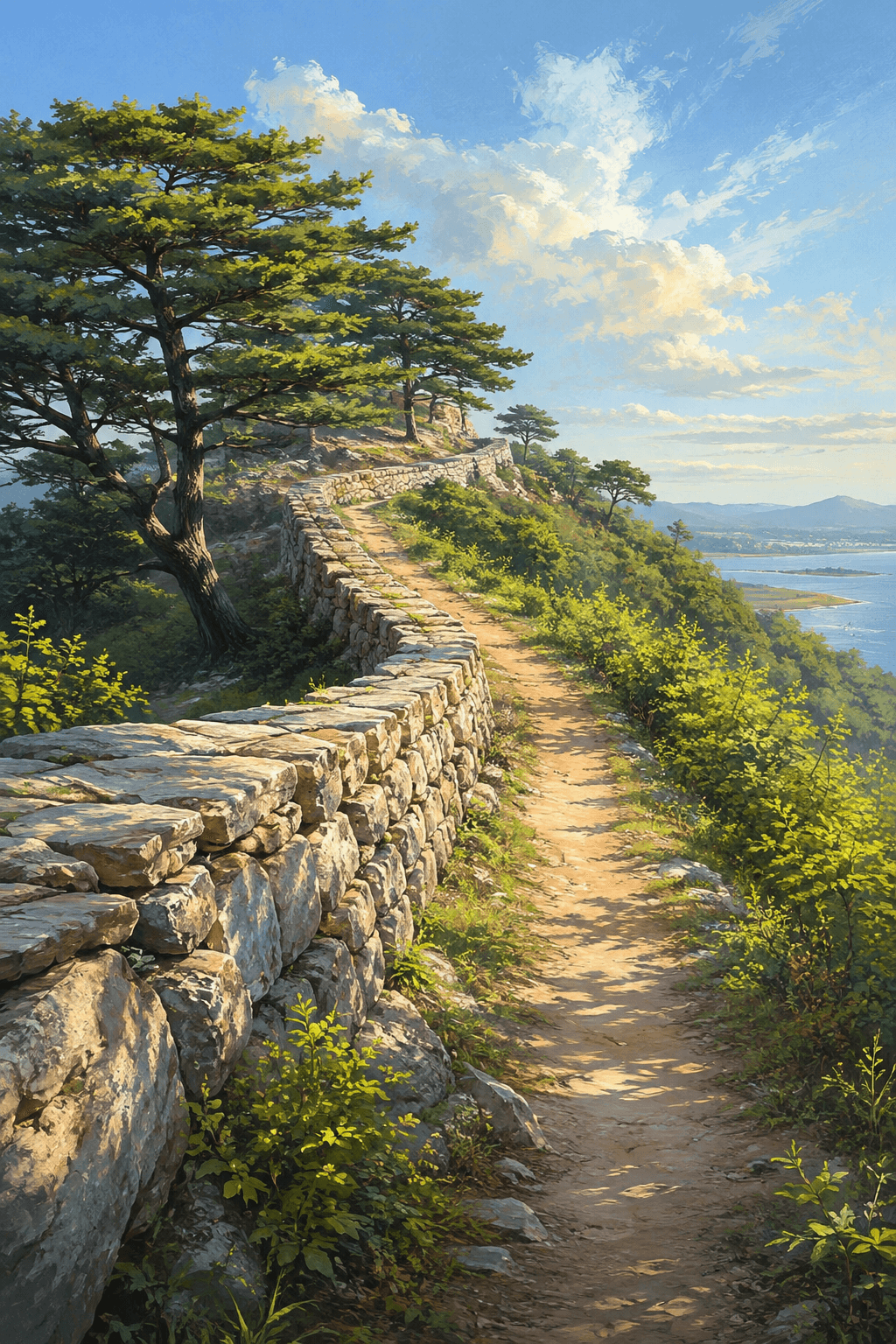
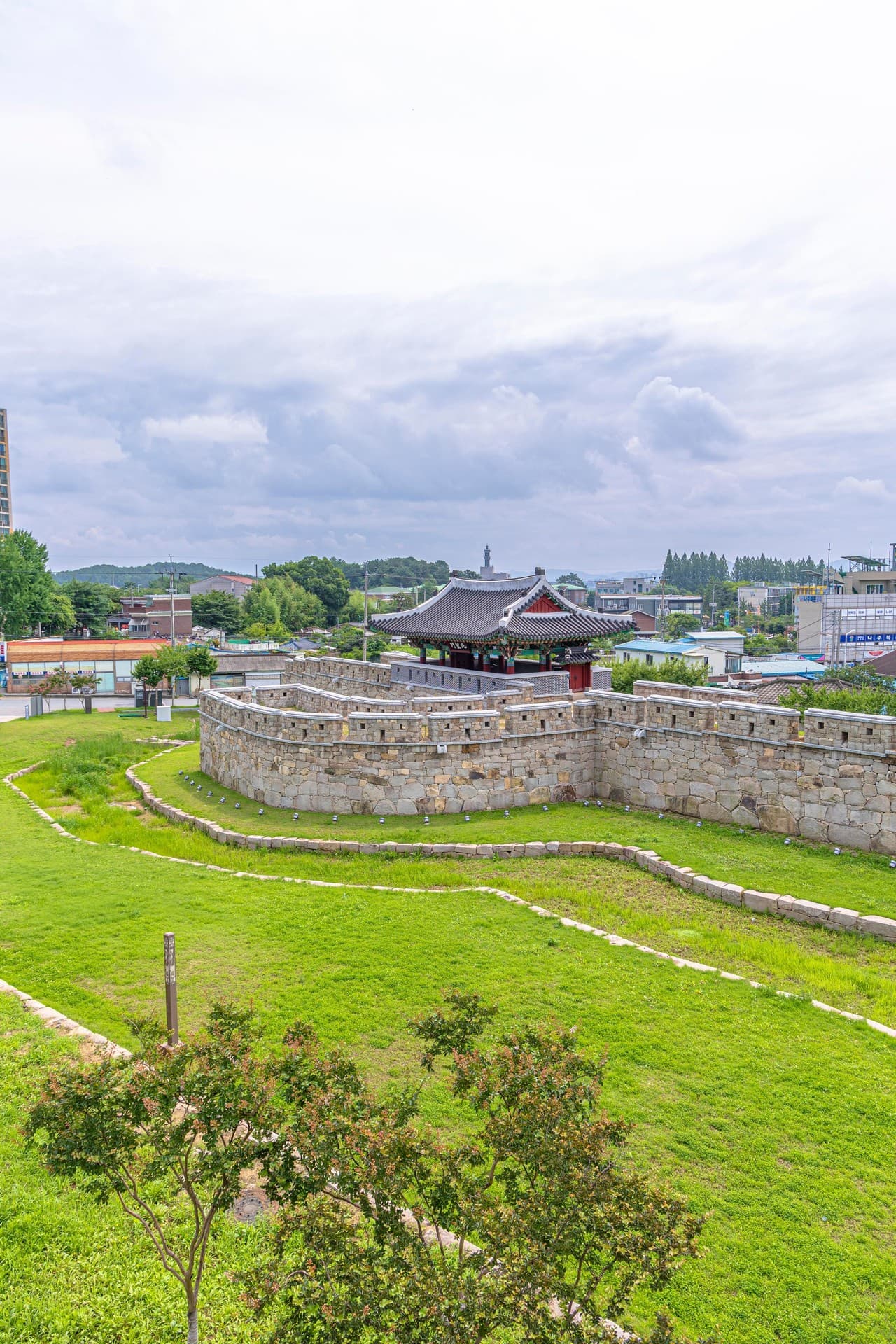
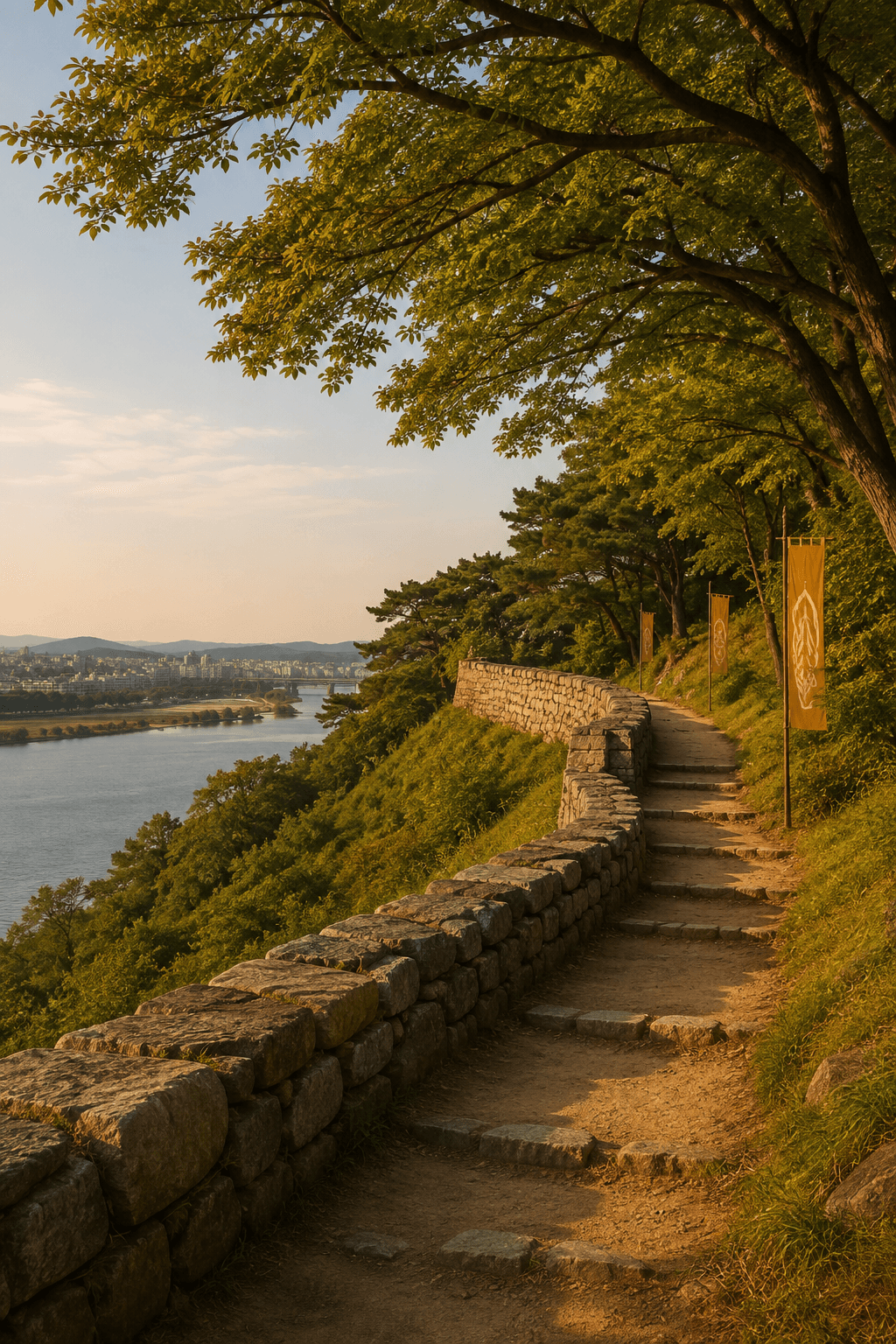
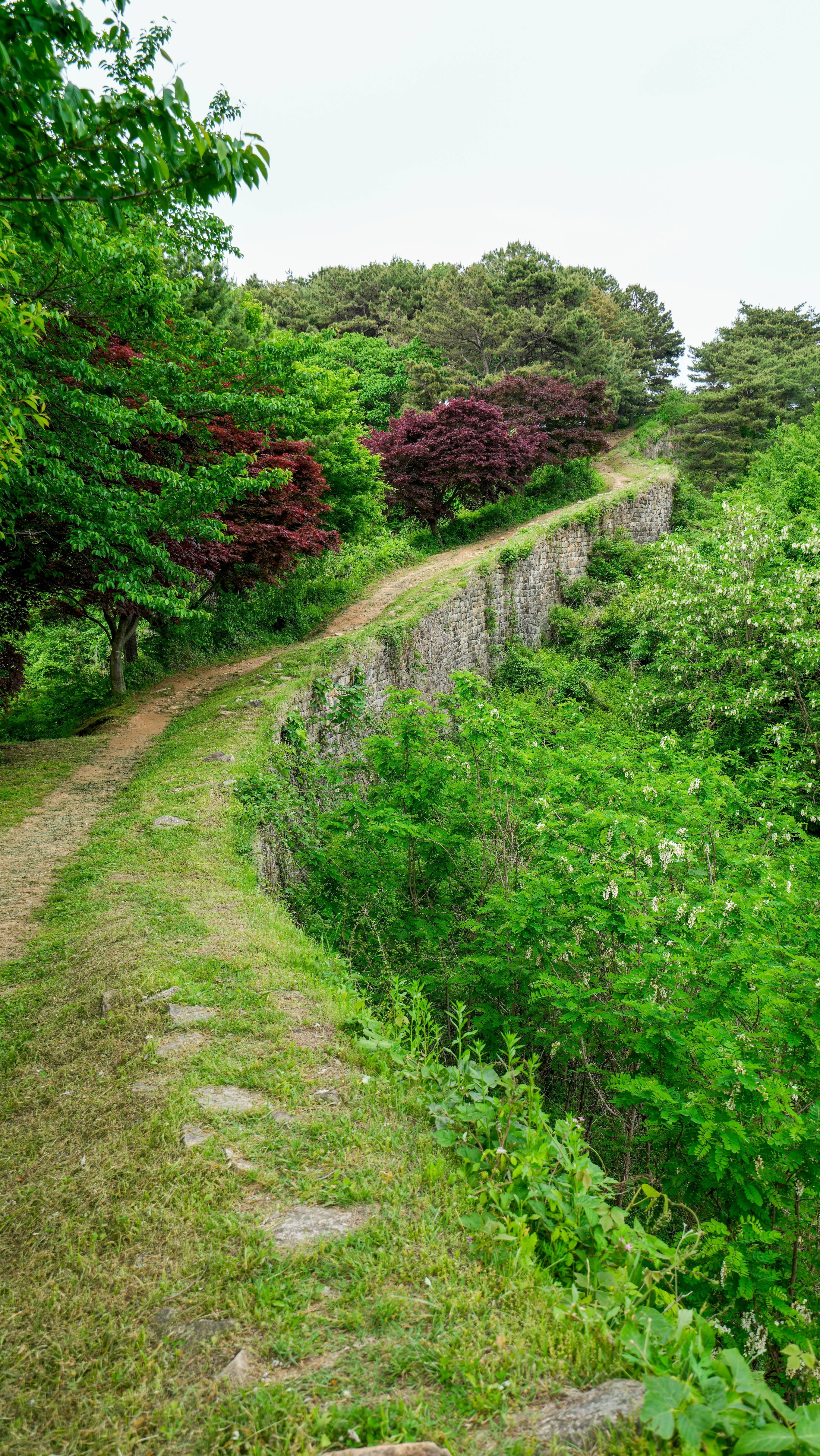
Suwon combines Hwaseong Fortress and the temporary palace embodying King Jeongjo's vision, markets and alleys beside the walls and Gwanggyo Lake Park's modern scenery. History comes alive through walking, food and experiences at this World Heritage destination.
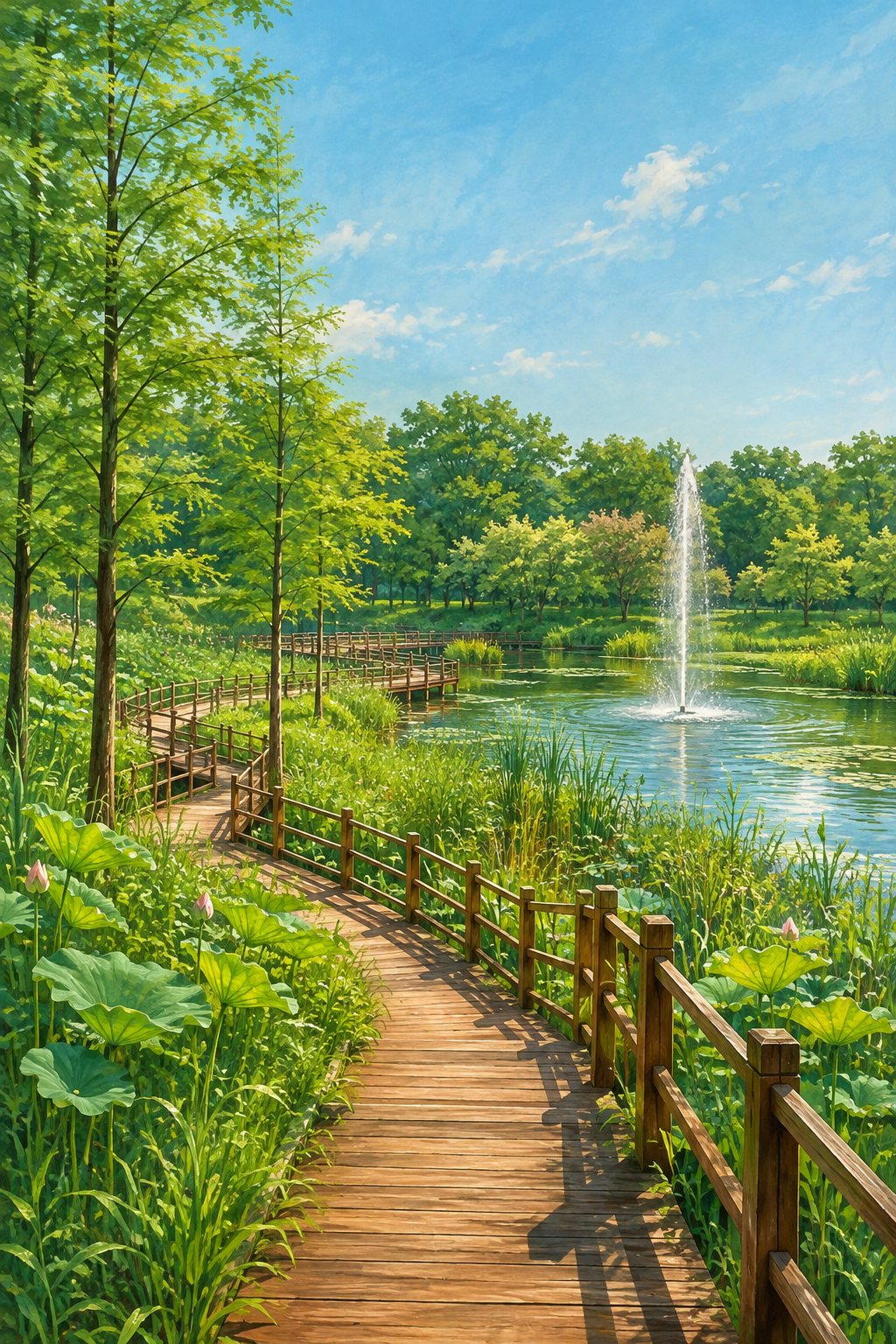
Siheung combines Oido's sea and prehistoric stories, salt-field and wetland ecology at Gaetgol and lotus-filled agricultural landscapes. Discover the West Sea's changing rhythms and living ecology within a metropolitan city.
Ansan brings together Daebudo's West Sea scenery, Sihwa Lake ecology, multicultural streets and industrial-city history. Within a single city destination, sea, wetlands and culture offer striking changes of scene.
Anseong is a cultural city of Namsadang's energy, old temples and fortresses, lakes and crafts. Baudeogi's story anchors the pleasures of watching performances and taking part yourself.
Anyang gathers forest-based public art, modern architecture, the nature of Surisan and Gwanaksan and market and city culture. A park walk becomes an art-viewing experience in this distinctive urban journey.
Yangju combines the vast site of a Goryeo royal temple, Byeolsandae mask dance, Jangheung's forests and museums and seasonal flower fields. Choose deep history alongside family-friendly culture and nature.
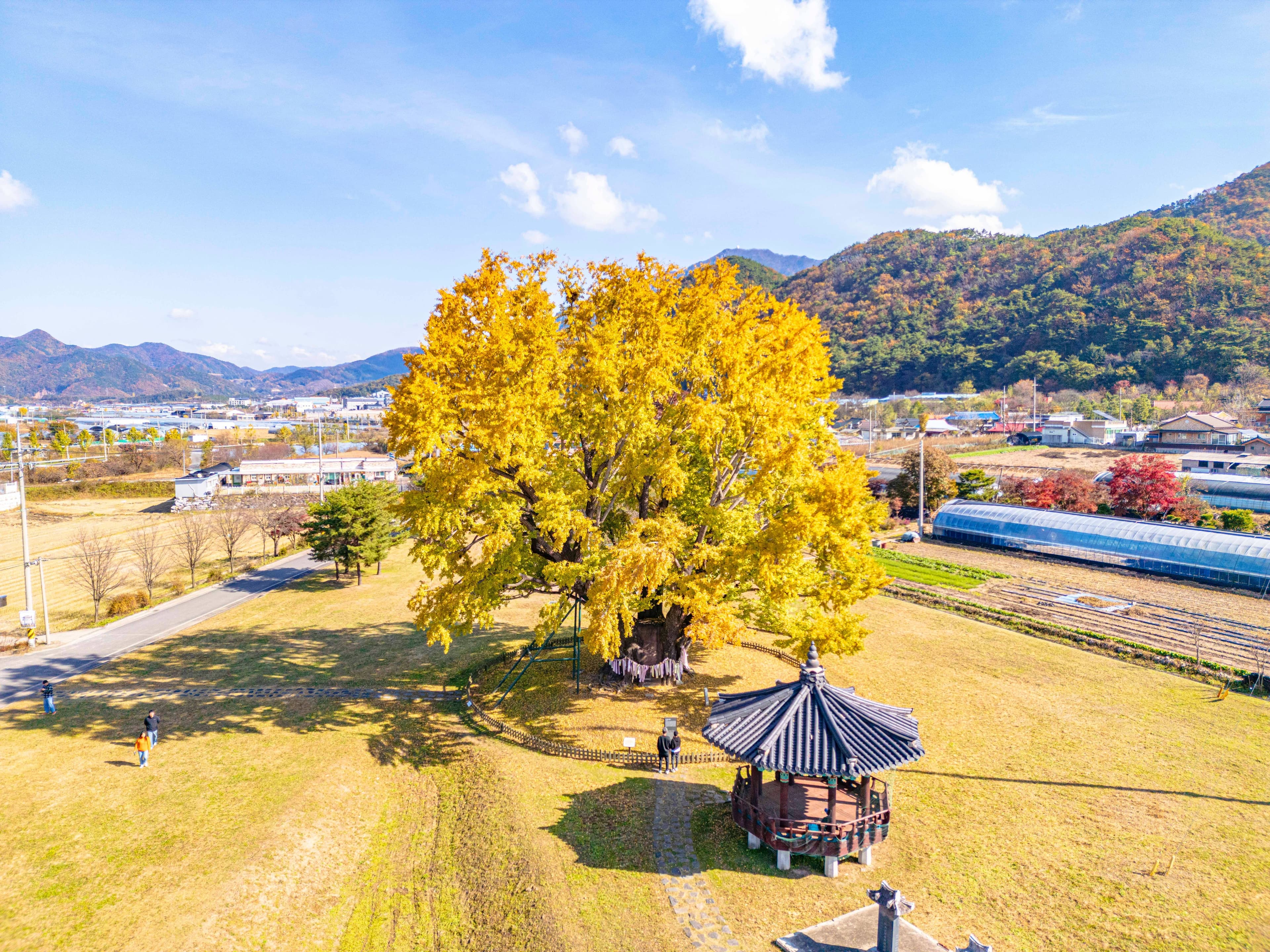
Yangpyeong combines Dumulmeori, where the Namhangang meets the Bukhangang, lotus gardens, Yongmunsan and its old ginkgo tree and a literature village. Enjoy water, mountains and literature at a leisurely pace.
Yeoju connects King Sejong's history, temples beside the Namhangang, everyday pottery traditions and river-island scenery. Royal tombs, riverside calm and handmade culture give the journey substance.
Yeoncheon layers volcanic scenery at Jaein Falls and columnar cliffs with Jeongok-ri's Paleolithic site, Goguryeo fortresses on the Imjingang and the realities of the border. Experience a long span from prehistory to the present in one trip.
Osan brings together Doksanseong Fortress, Mulhyanggi Arboretum, miniature world landmarks and the stories of war and peace at Jukmiryeong Peace Park. Family activities and historical walks complement each other here.
Yongin combines traditional life at Korean Folk Village, the energy of large theme parks, art, traditional gardens and extensive forests. Its many choices let different generations and tastes create entirely different journeys.
Uiwang gathers Wangsong Lake's migratory birds and railway culture, Baegun Lake walks and Cheonggyesan and Moraksan forests close to the city. This family destination pairs a clear railway theme with lake ecology.
Uijeongbu combines the modern food culture of budae-jjigae, Hoeryongsa's mountain-temple scenery and unusual experiences at its art library and observatory. Rediscover food, art and the night sky behind a familiar city name.
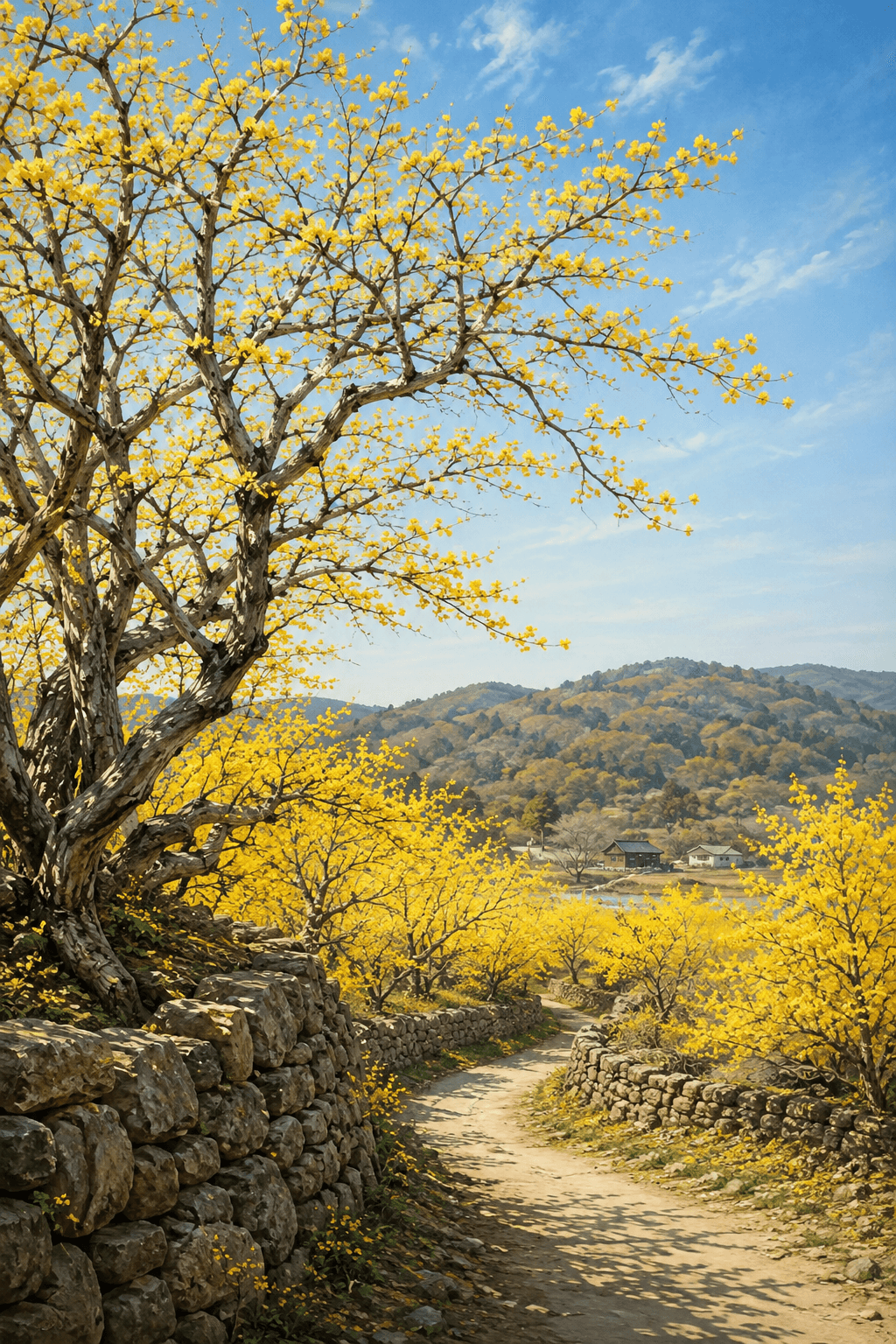
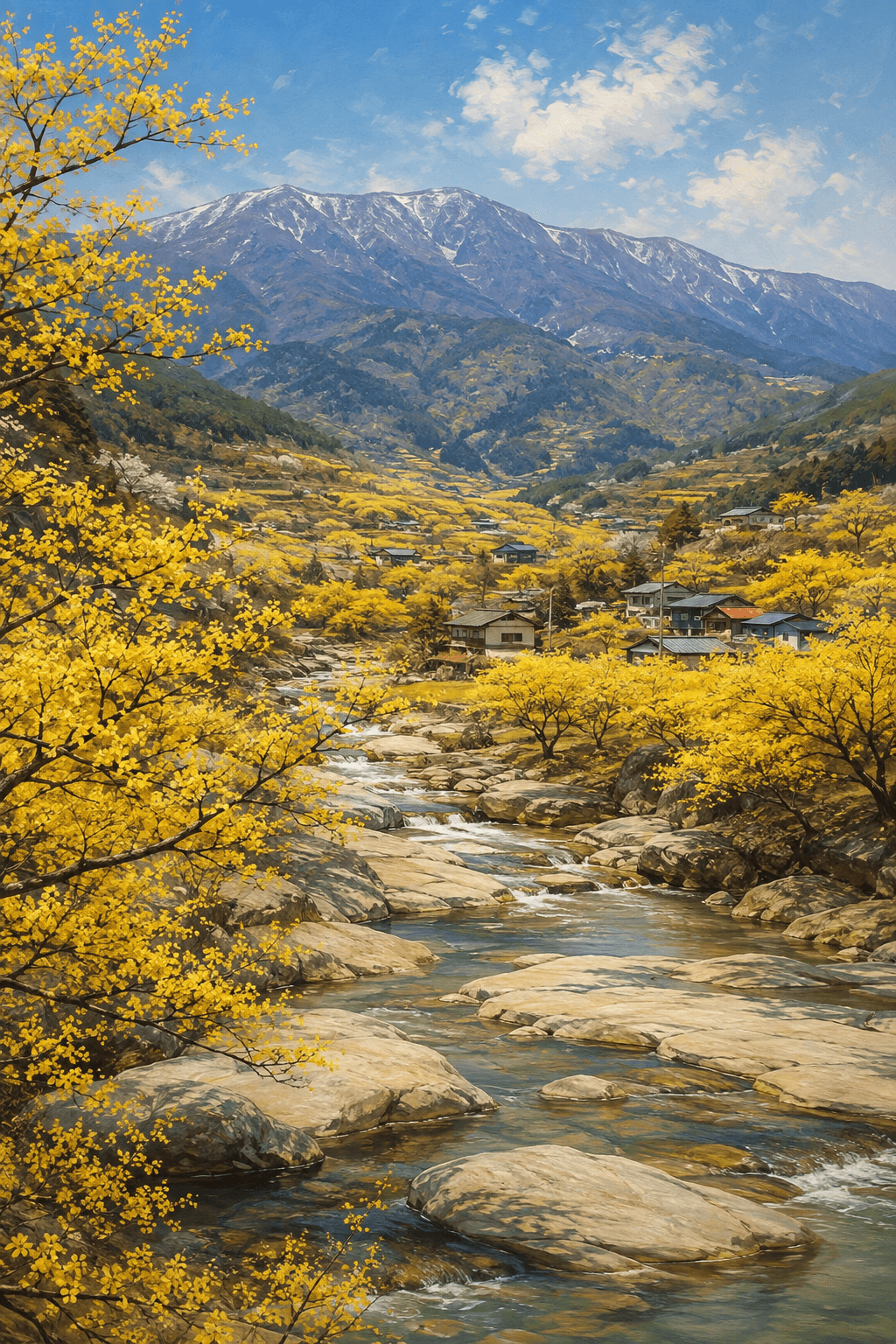
Icheon combines generations of pottery craftsmanship, relaxation at Seolbong Lake, spring sansuyu blossoms and rural experiences. Handmade culture and seasonal color shape the journey.
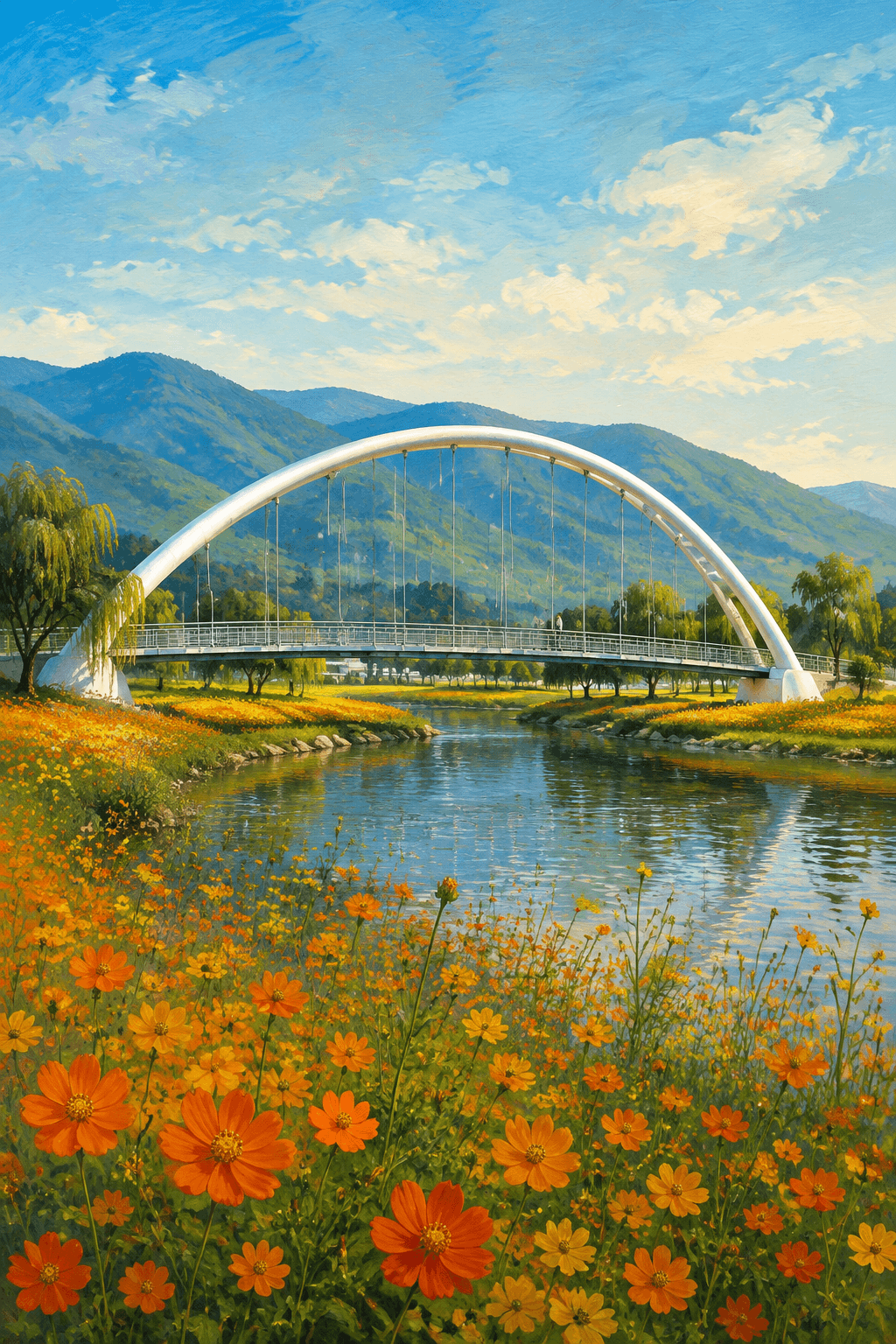
Paju offers very different experiences: memories of division at Imjingak, an artists' village, books and architecture in Book City, and a suspension bridge over a lake. Balance weighty history with creativity and time in nature.
Pyeongtaek's lake scenery, Anjeong-ri's multicultural art, Sopung Garden's nature and stories of the monk Wonhyo offer distinct experiences. Feel both a port city's openness and the ease of broad plains.
Pocheon pairs the geological scenery of the Hantangang River with Pocheon Art Valley and peaceful Gomo Lake Park. Dramatic rock formations and quiet lakeside walks offer contrasting pleasures.
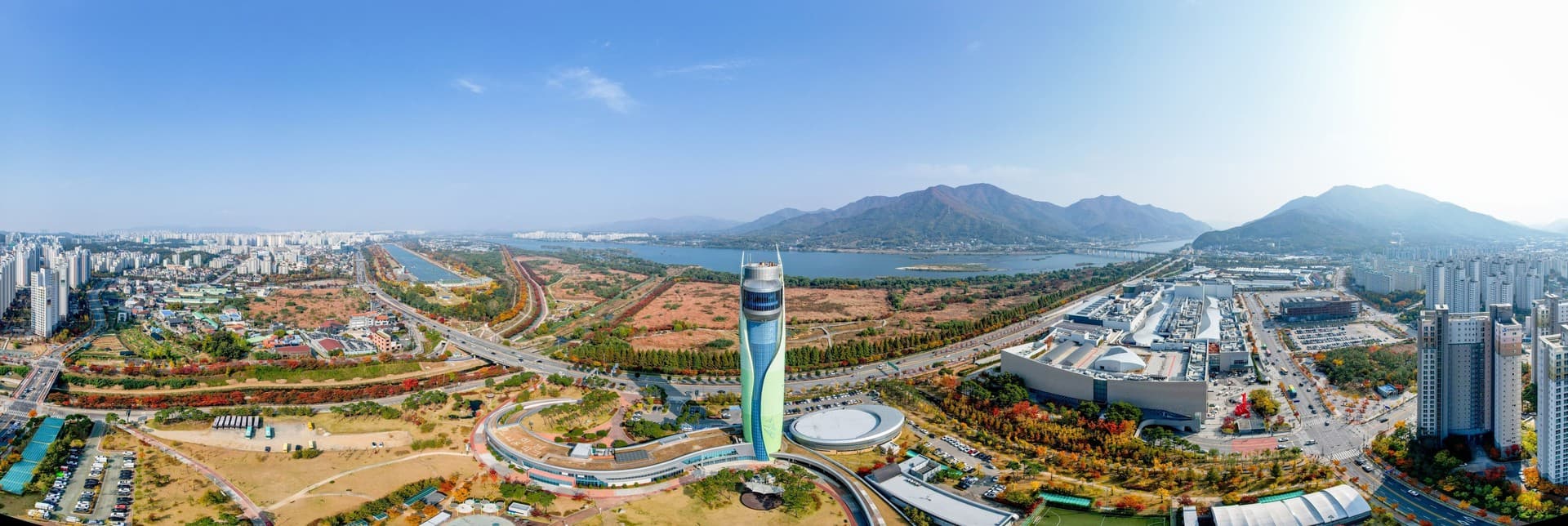
Hanam combines Hangang River scenery, historic Iseongsanseong Fortress, Union Tower's city views and the open spaces of Misa Motorboat Racing Park. Riverside walks and lookout visits reveal different sides of the city.
Hwaseong offers West Sea scenery at Jebudo and Gungpyeong Port, history at Yunggeolleung Royal Tombs and Yongjusa Temple, and quiet at Namyang Marian Shrine. The coast and heritage sites create a varied journey.
Geoje is a South Sea city of dramatic coastlines at Haegeumgang and Windy Hill, modern history at the POW Camp Historic Park and varied island nature. Accessible by road, it opens up broad journeys through seascapes and history.
Geochang stands out for Suseungdae's valley and pavilions, Changpowon's large waterside gardens, Healing Land's forests and Gamaksan's open views. Move through the contrasting moods of water, woodland and high mountains.
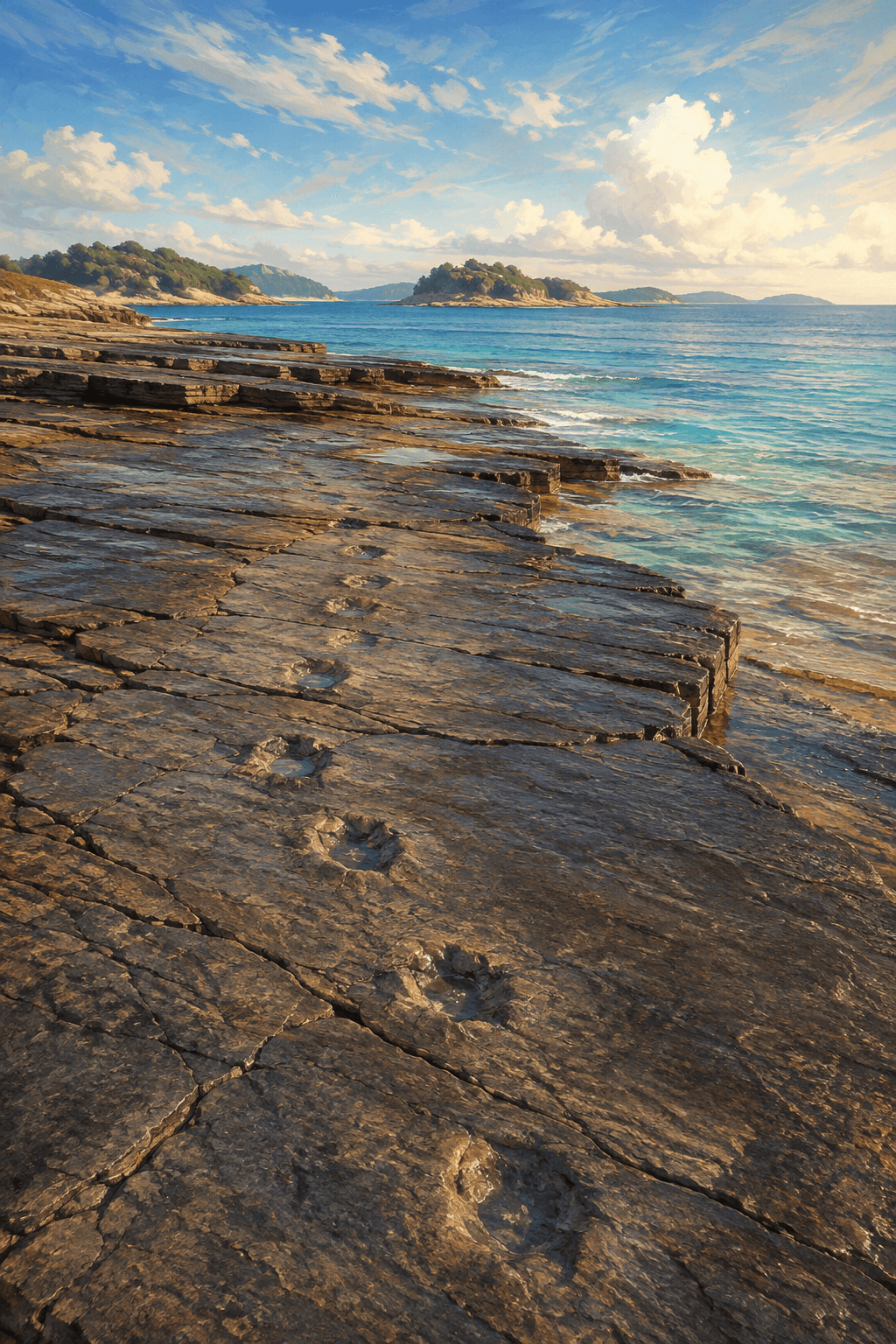
Goseong in Gyeongsangnam-do connects Sangjogam's dinosaur footprints and museum, Danghangpo's sea and Admiral Yi Sun-sin history and the quiet Songhakdong tombs. Travel from the age of dinosaurs to the Joseon navy.
Gimhae combines Gaya history at Daeseong-dong Ancient Tombs with stargazing at Gimhae Astronomical Observatory and lakeside walks in Yeonji Park. The stories of an ancient capital sit close to modern leisure.
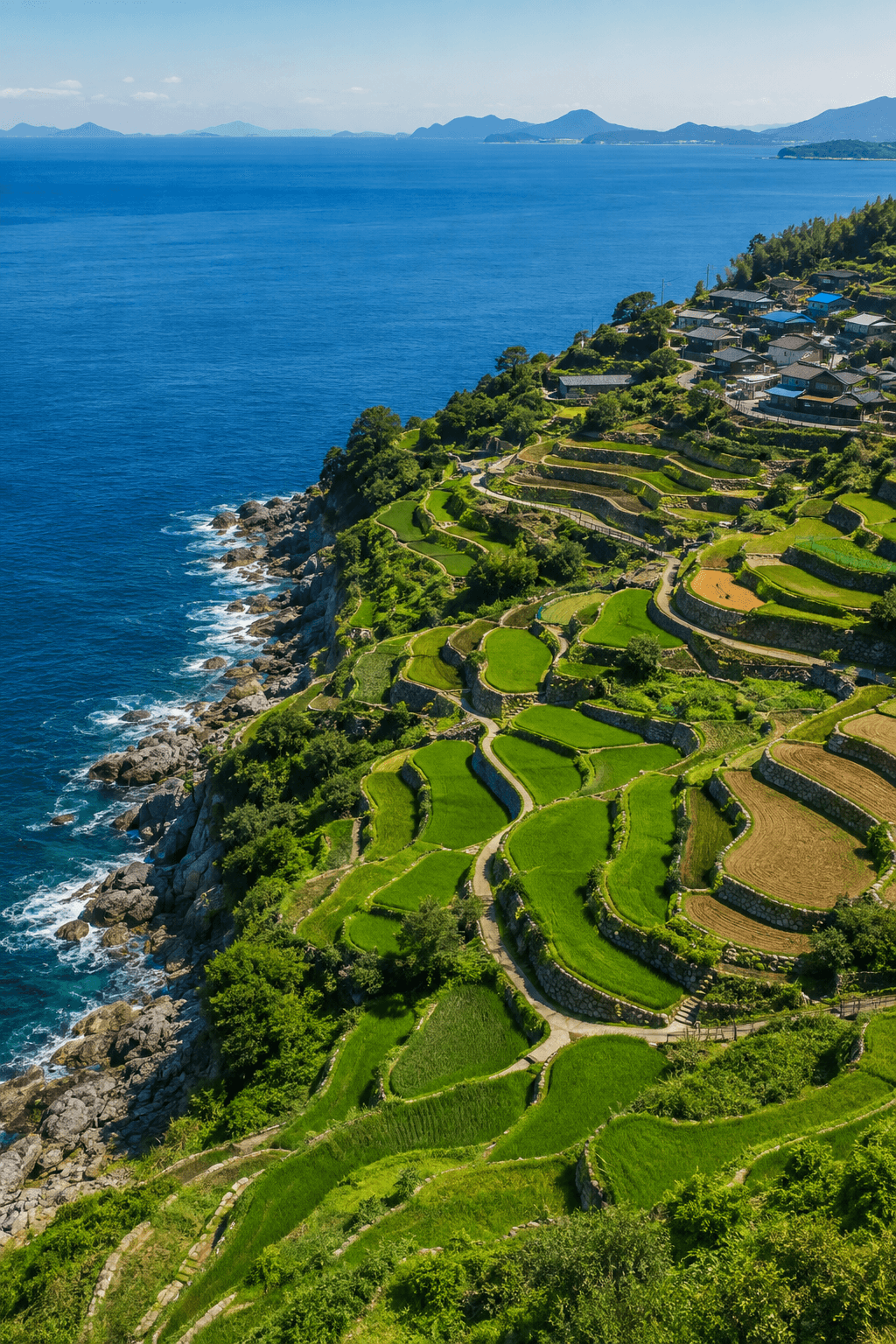
Namhae brings together terraced rice fields descending toward the sea, a German Village preserving the lives of workers sent to Germany, archipelago views from Geumsan's Boriam, and calm silver-sand beaches. History, mountains, villages and sea offer distinct moods within a small county.
Miryang is defined by Yeongnamnu's pavilion scenery, Eoreumgol's natural mystery, Pyochungsa's history and Wiyangji's seasonal views. Meet nature and tradition together in the city of Arirang.
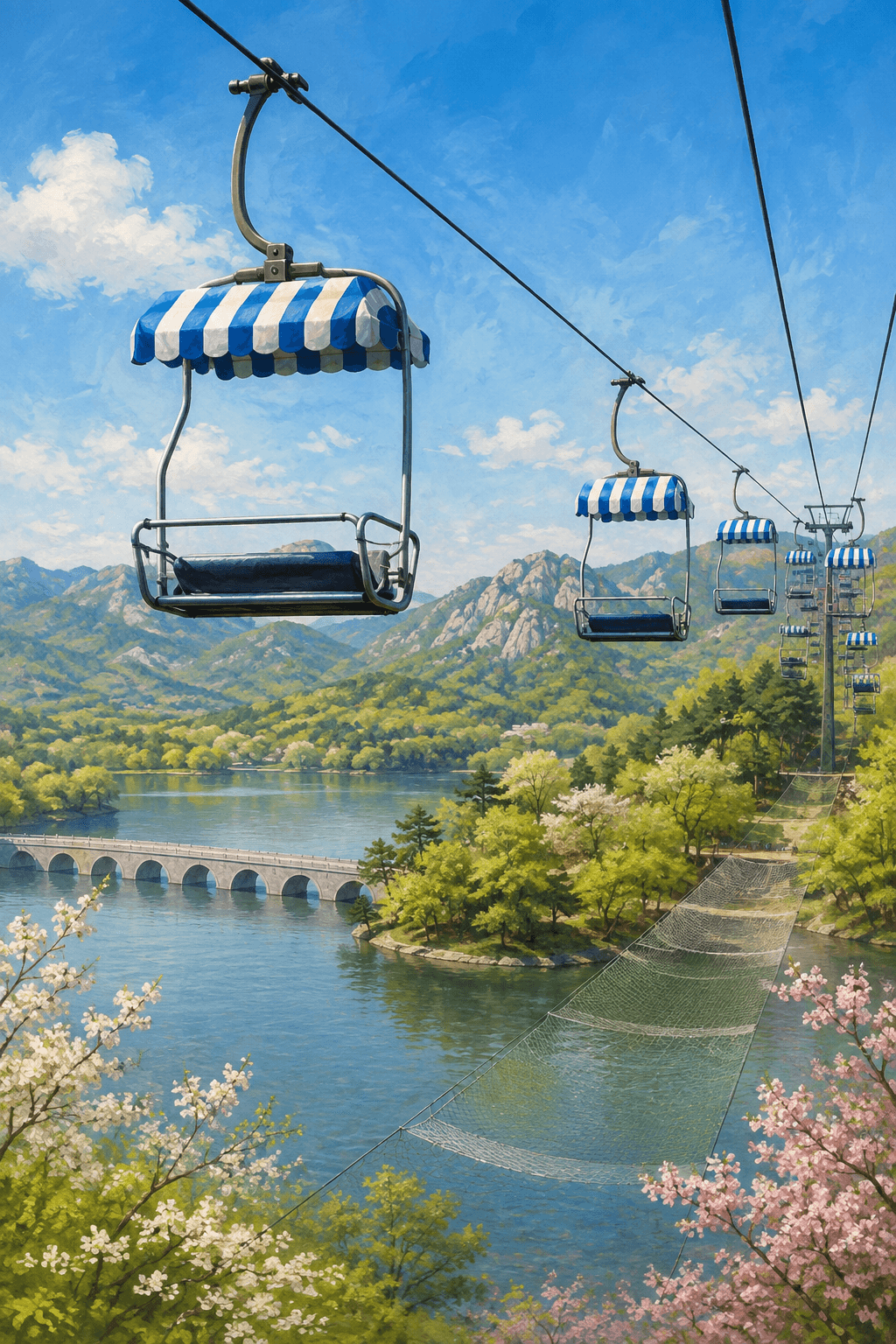
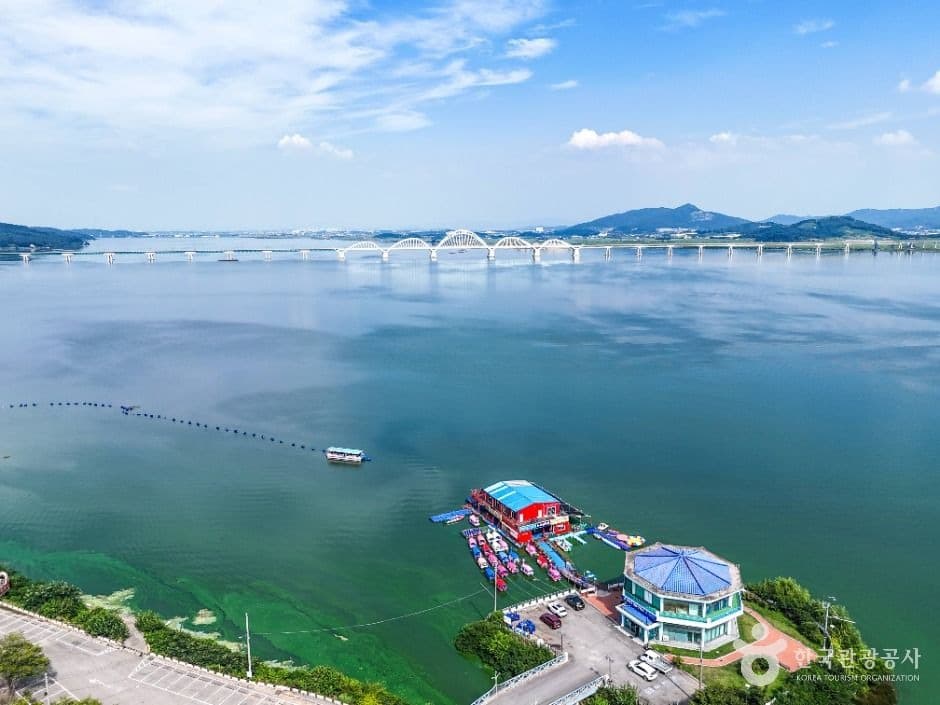
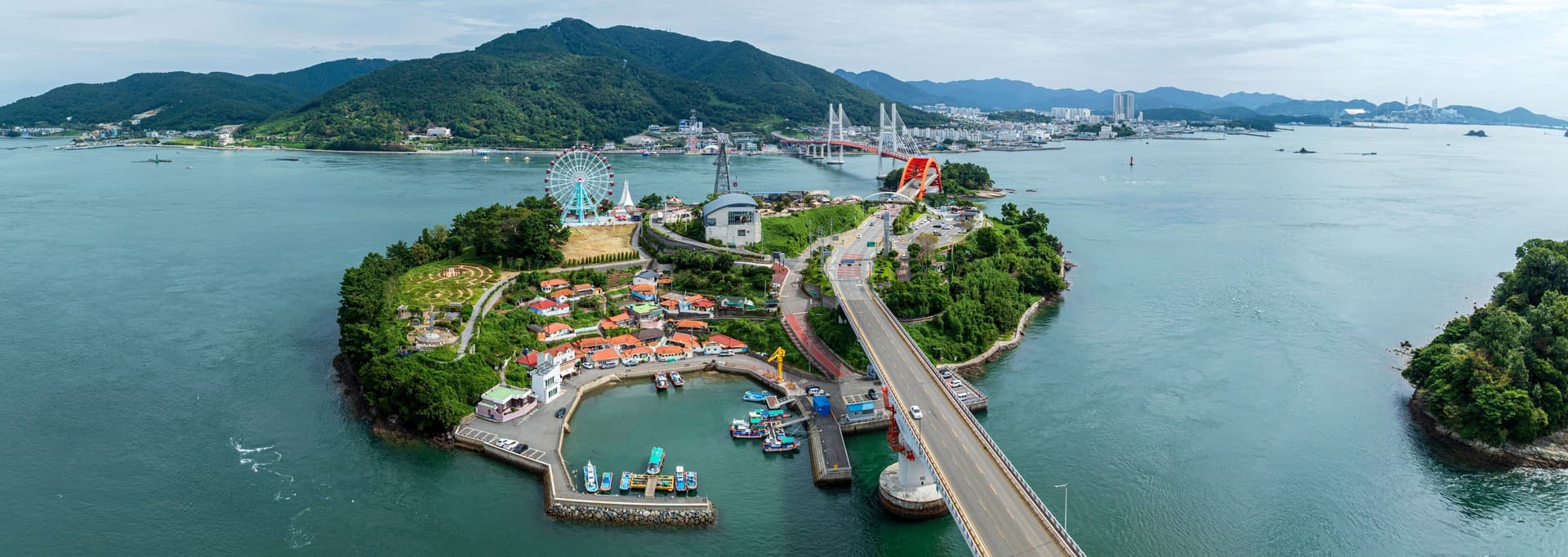
Sacheon combines islands and sunsets off Samcheonpo, the sea cable car's sweeping views and an aerospace identity. Discover industry and history alongside South Coast scenery.
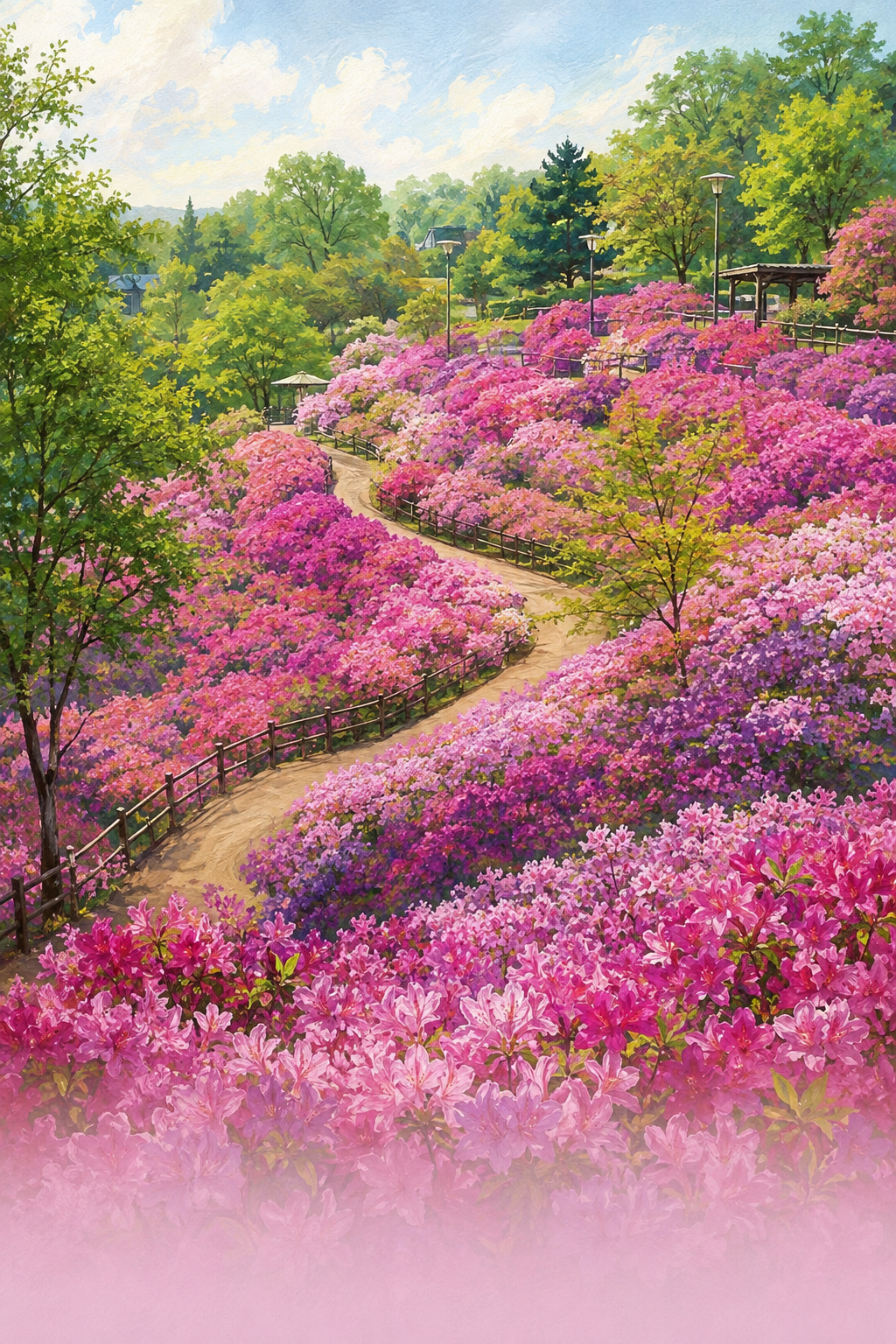
Sancheong combines Jirisan's deep valleys, Hwangmaesan's azaleas, Namsa Yedam Village's hanok and Donguibogam Village's traditional medicine culture. Experience natural healing and long-established ways of life together.
Yangsan brings together Buddhist culture at Tongdosa Temple, Naewonsa Valley and Hongnyong Falls, and the woods of Beopgi Reservoir. Temple visits, flowing water and forest paths make for a peaceful trip.
Uiryeong connects the history of Gwak Jae-u's righteous army, stories of Jeongamnu and Sotbawi and broad landscapes at the Righteous Army Forest and Hanusan.
Jinju combines Jinjuseong's Namgang history, Chokseongnu's scenery, Jinyang Lake's waterside and Wolasan's forests. Memories of the Imjin War coexist with contemporary nighttime and nature experiences.
Changnyeong offers wetland habitats at Upo Marsh, the old stone Mannyeongyo Bridge and Gaya burial mounds. Observing waterside nature and exploring heritage sites invite a slower pace.
Changwon layers Jinhae's cherry blossoms, Junam Reservoir's migratory birds, Masan's art and modern culture and Jeodo's coastal scenery. The distinct characters of three cities make for a rich choice of journeys.
Tongyeong combines island-filled views from Mireuksan, Dongpirang's alley art, DPIRANG's nighttime stories and Yi Sun-sin's history on Hansando. Sea and art are close to everyday life here.
Between the Seomjingang and Jirisan, Hadong unfolds Hwagae Market, Ssanggyesa and wild tea fields, Pyeongsa-ri's literary scenery and Samseonggung's distinctive stone towers. Tea, river and literature set the mood.
Haman combines Ara Gaya history at World Heritage Malisan Ancient Tombs, Mujinjeong's Nakhwa Nori, Agyang's riverside flowers and Ipgok Reservoir's forest. Ancient history and seasonal beauty give it a clear character.
Hamyang combines Sangnim Forest, forest recreation at Daebongsan Recreation Valley, Gaepyeong Hanok Village and Yongchu Valley. Woodland and traditional houses make a peaceful setting for a stay.
Hapcheon combines Haeinsa and the Tripitaka Koreana's World Heritage, Hwangmaesan's azaleas and silver grass, time travel at the film theme park and activities at Hatdeul Ecological Park. History, nature and popular culture offer a broad range.
Gyeongsan offers Buddhist culture at Seonbonsa Temple, the reflective waters of Bangokji Pond and the nature of Palgongsan. Temple and reservoir visits bring seasonal scenery within easy reach of the city.
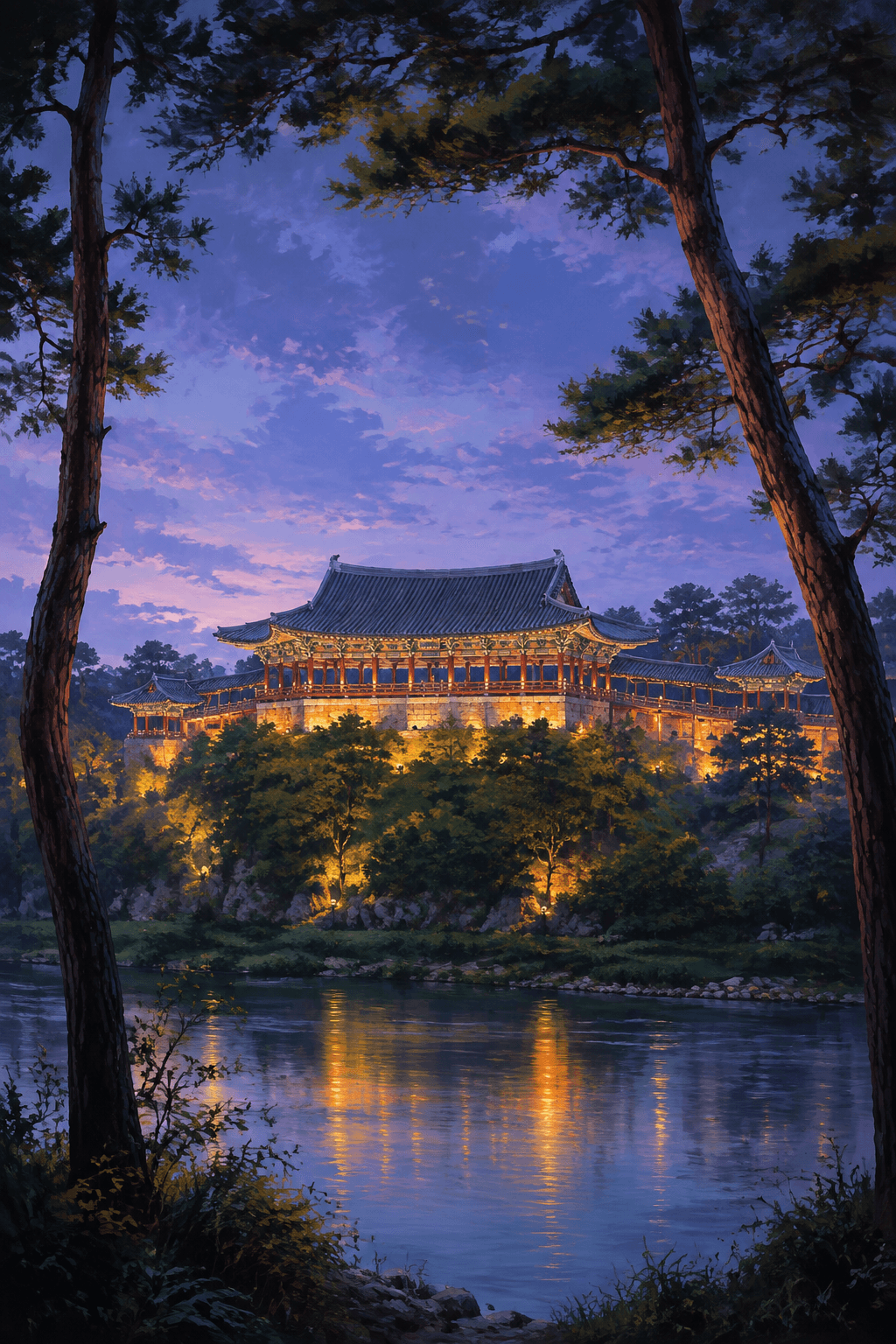
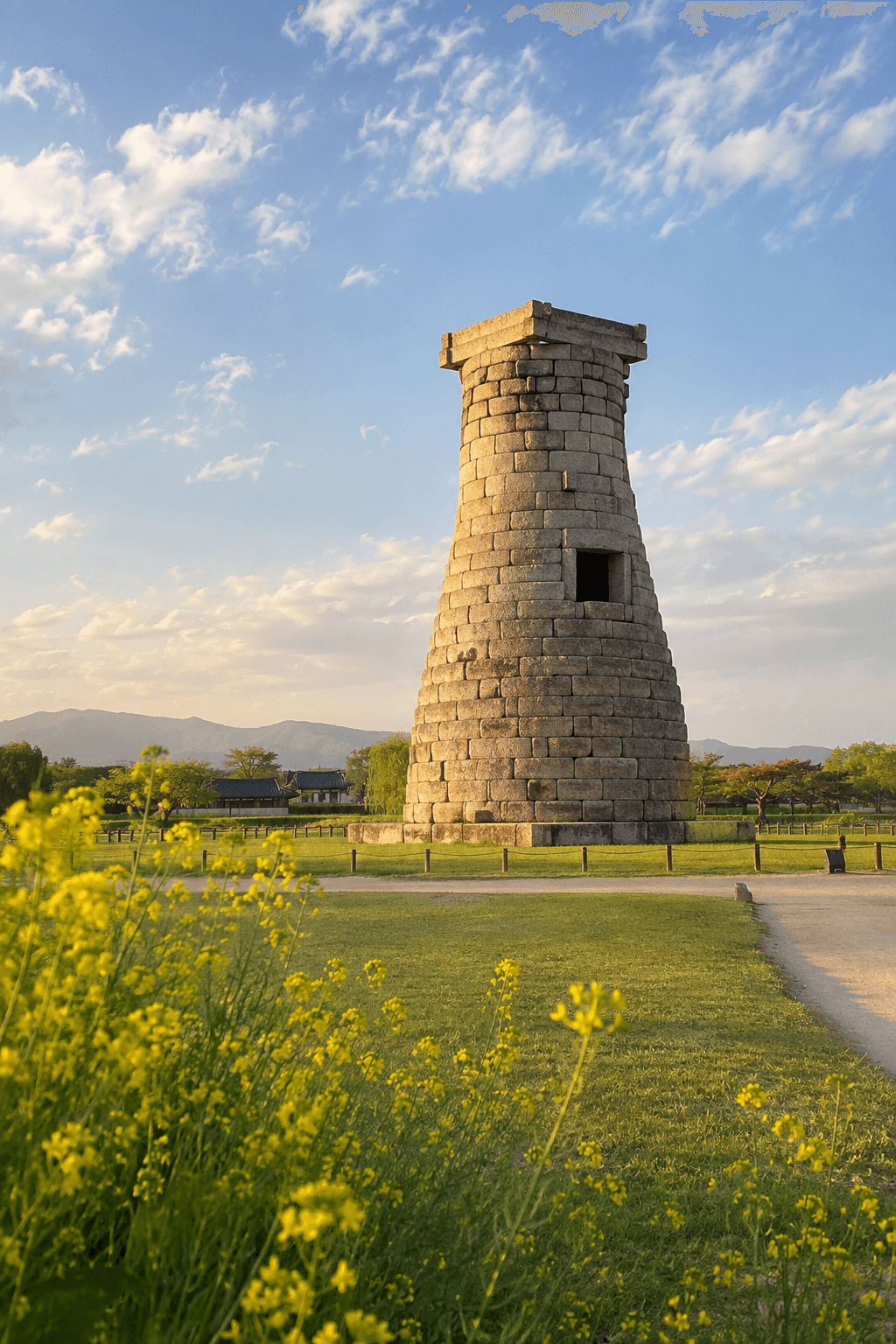
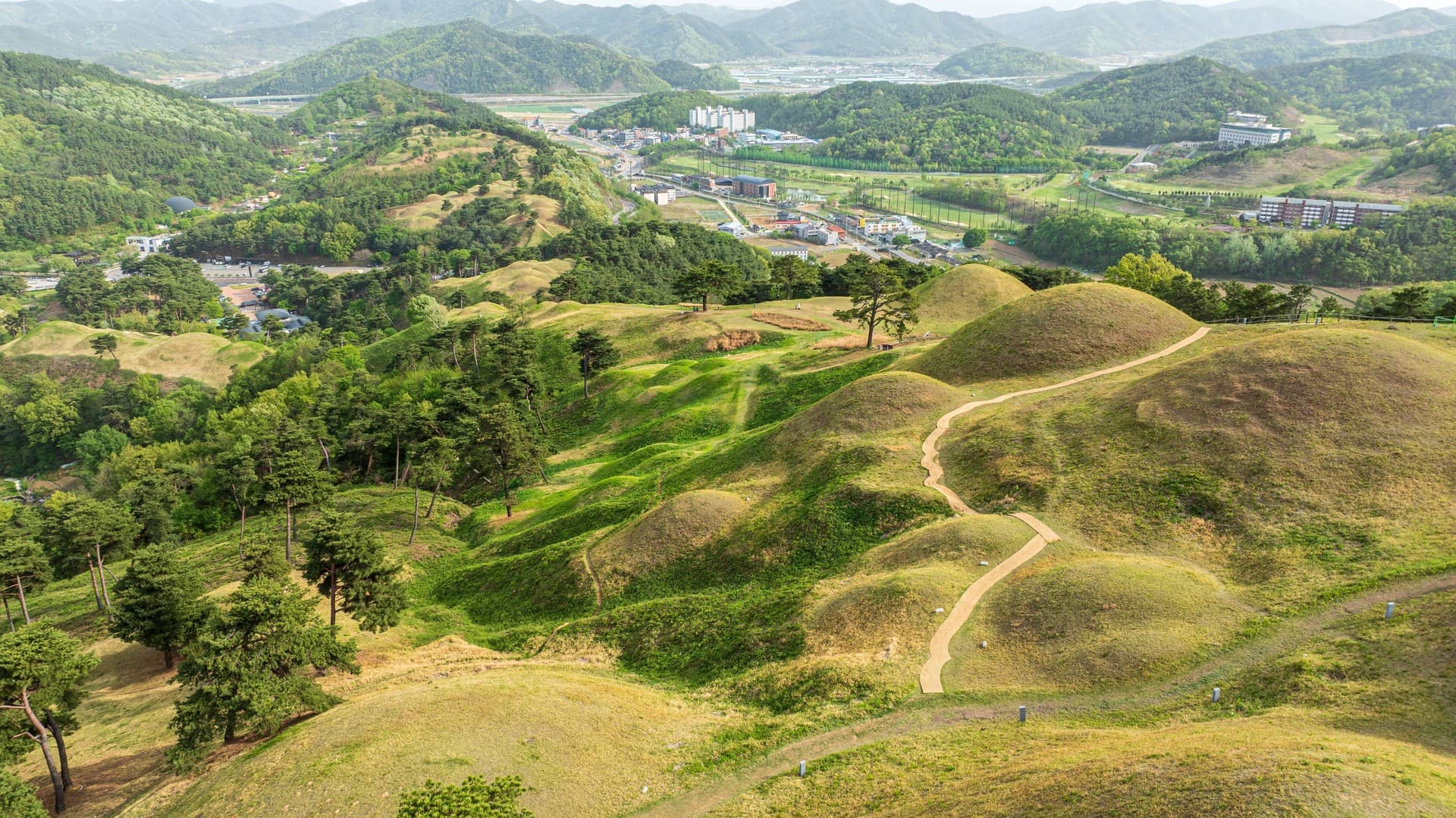
Gyeongju brings a thousand years of Silla history beyond the textbook: walk among burial mounds, discover palace grounds at night and enjoy new street culture in an ancient city. As day turns to night and history meets the present, even a spontaneous visit can offer scenes that suit your own interests.
Goryeong introduces the ancient kingdom of Daegaya through Jisan-dong Ancient Tombs and Daegaya Museum, then offers village life in Gaesil. Ancient heritage and hanok scenery define the region.
Gumi reveals another side of its industrial identity through Geumosan Mountain, Geumosan Reservoir and the open spaces of Nakdonggang Sports Park. Mountain and riverside walks offer room to unwind.
Gimcheon combines Jikjisa's thousand-year Buddhist culture, Samyeong Daesa Park's night scenery, Buhang Dam's mountain waterside and Cheongamsa's quiet forest. Temples and modern experiences connect within nature.
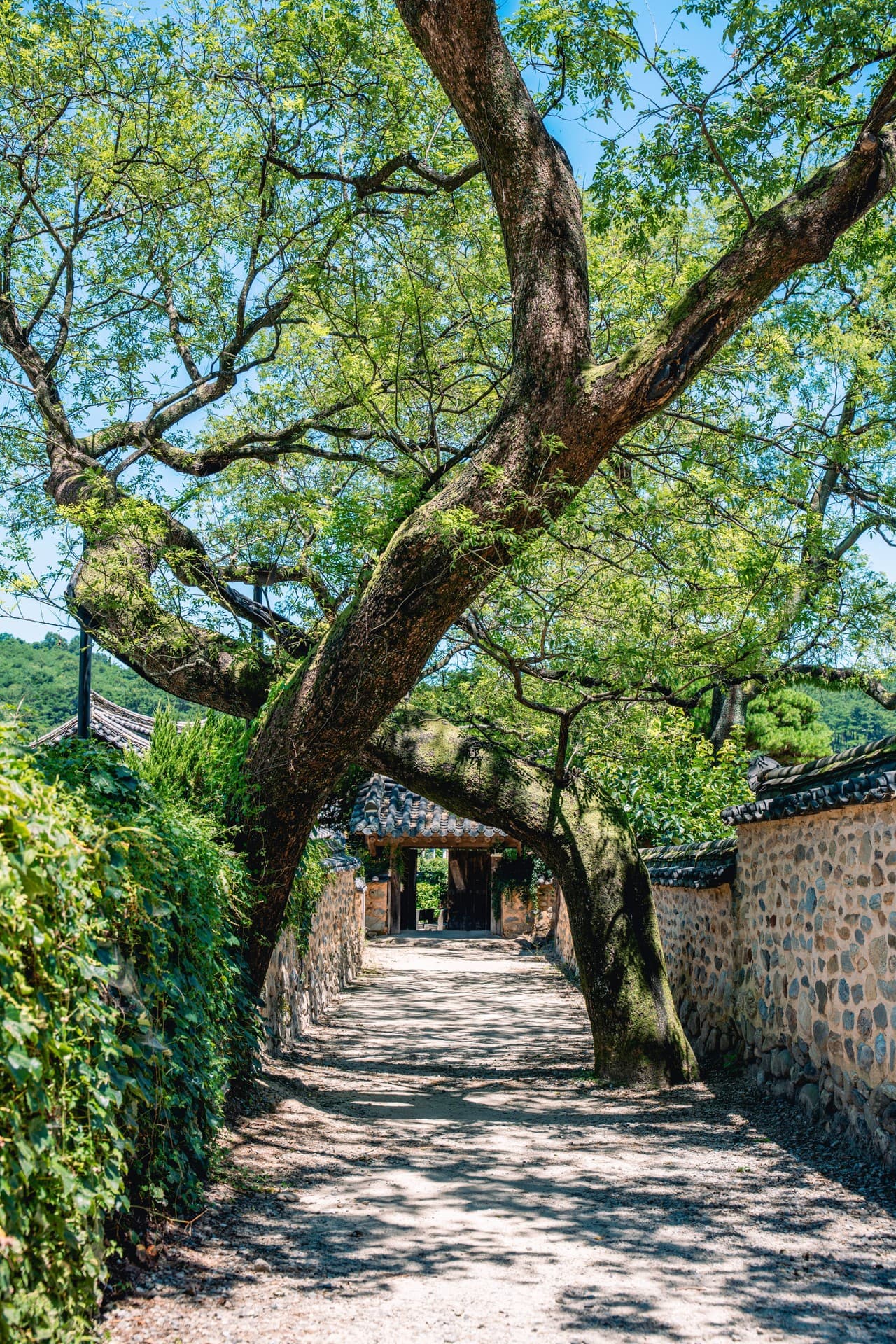
Mungyeong combines Saejae's old paths and gates, Eco World's mining stories and activities, Dansan's views and traces of ancient transport at Gomosanseong. Mountain paths and industrial heritage become engaging experiences.
Bonghwa is a forest-rich destination combining the Baekdudaegan National Arboretum, Cheongoksan Mountain, clear streams in Daehyeon-ri and the traditional scenery of Cheongamjeong Pavilion.
Sangju offers Nakdonggang scenery at Gyeongcheondae and Gyeongcheon Island, views from Hak Observatory and local food stories at Sangju Dried Persimmon Park. Riverside walks reveal both the landscape and local life.
Seongju brings together its traditional market, Hangae Village's old houses, the willows of Seongbaksup Forest and Gayasan Mountain. Markets, hanok and old trees trace the region's past and present.
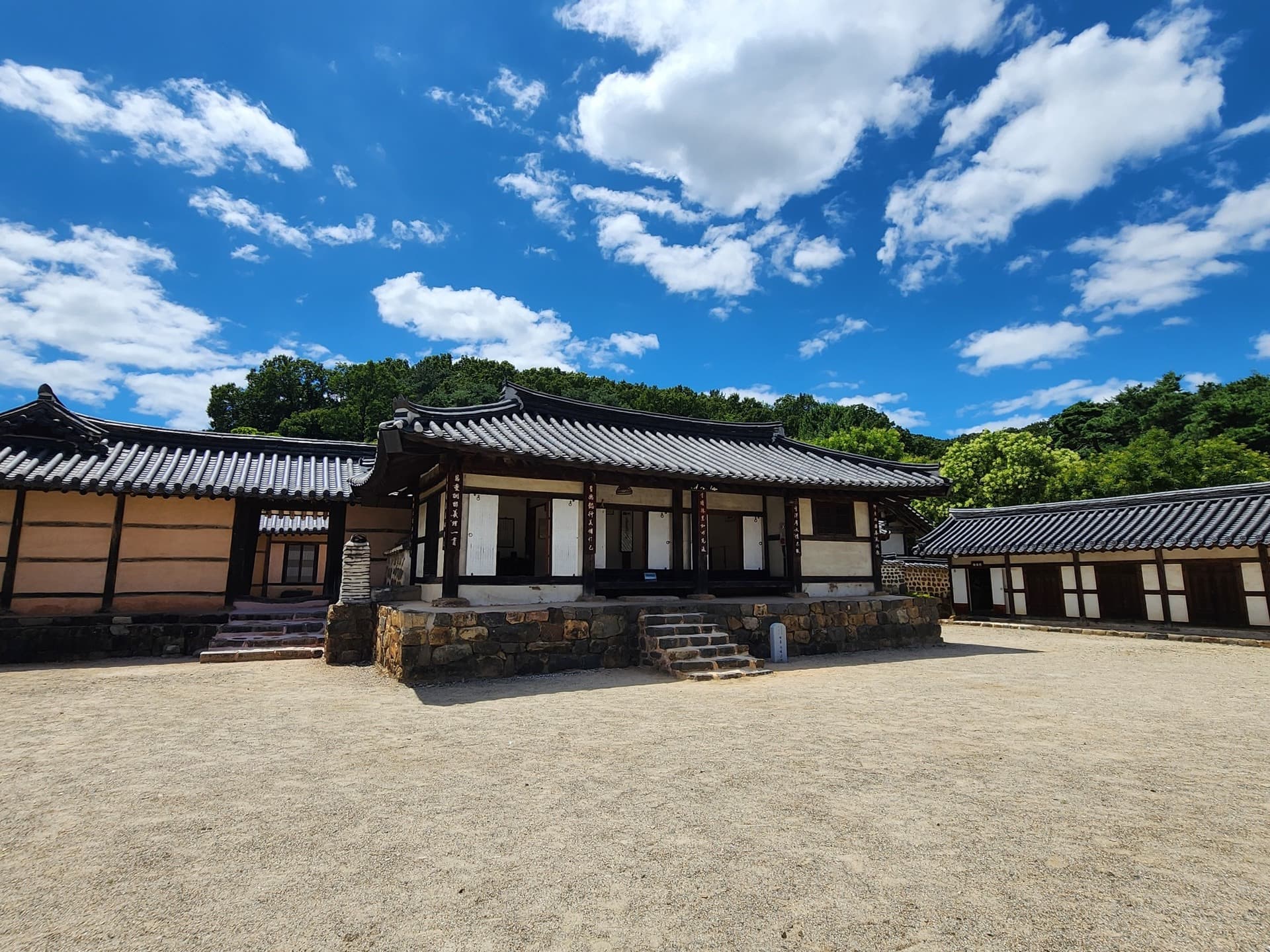
Andong is a city of Confucian culture, bringing together Hahoe Village's community life, scholarly academies, Wolyeonggyo at night and enduring local food traditions. Alongside quiet tradition, mask dances, riverside lights and market flavors offer changing moods.
Along Yeongdeok's Blue Road, Sunrise Park, fishing villages, Goesiri Traditional Village and Goraebul's long sandy beach follow one another. East Sea scenery and old village stories shape the journey.
Yeongyang is a mountain-village destination combining starlight at the International Dark Sky Park, everyday culture in Jusil and Dudeul villages and cliffs and waterways at Seonbawi Tourist Site.
Yeongju offers two World Heritage sites, Buseoksa and Sosuseowon, Museom Village's single-log bridge and Jukgye Gugok's forests. Buddhist and scholarly culture balance with wellness.
Yeongcheon pairs Bohyeonsan's stars with walks in Uroji Nature Ecological Park, flowers in Yeongcheon Ecological Park and views around Bohyeonsan Dam. Night skies and waterside nature shape the trip.
Yecheon combines Hoeryongpo's winding-river scenery, Samgang Tavern's ferry culture, family activities at the Insect Ecology Center and Geumdangsil's stone walls and old houses. Nakdonggang and rural stories remain vivid.
Ulleung offers an intense journey through Nari Basin at the volcanic island's center, Haengnam Coastal Trail, cliff-lined Gwaneumdo and museums of island history and Dokdo. Geology, ecology and maritime culture create distinctive scenery.
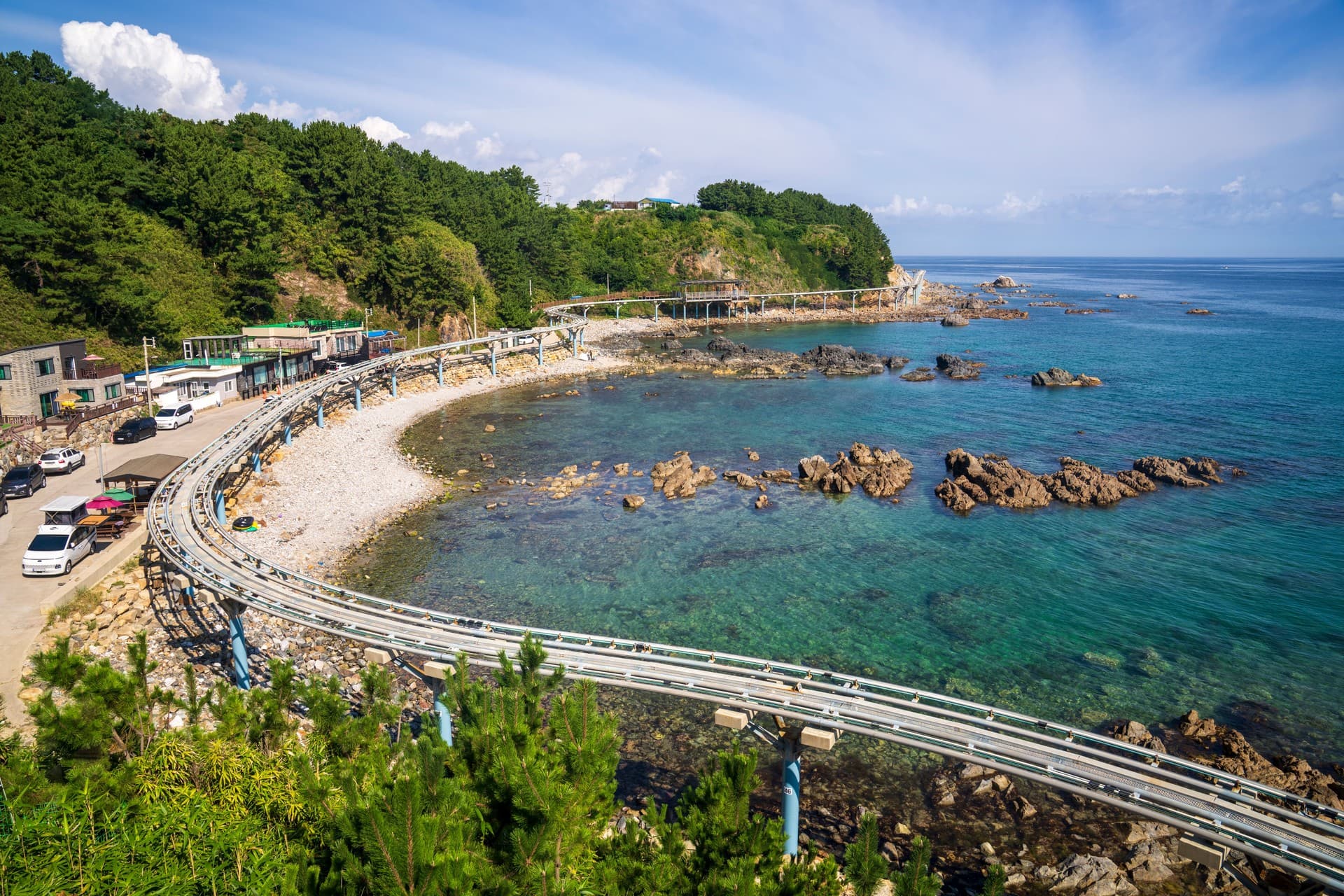
Uljin combines fragrant Geumgang pine forests, Seongnyugul's underground formations, Wangpicheon's ecology and East Sea views from Jukbyeon Coastal Sky Rail. Forest, cave, river and sea each stand out.
Uiseong offers ancient history at Jomunguk's tombs and museum, traditional houses in Sachon Village and nature in Binggye Valley. Beyond its famous garlic, discover a landscape of history and village life.
Cheongdo offers contrasting moods at Unmunsa's mountain temple, the unusual Wine Tunnel, historic Cheongdoeupseong and Provence's lights and colors. Enjoy tradition, local produce and nighttime experiences.
Cheongsong combines Juwangsan's rocks and waterfalls, Jeolgol Gorge, flowers at Oxygen Cafe Cheongsong Garden and the understated beauty of Cheongsong white porcelain. Rock, water, gardens and craft come together here.
Chilgok preserves memories of the Nakdonggang battles, Waegwan Railroad Bridge, Maewon Village's traditional homes and the exhibitions of the Patriots and Peace Memorial. Village and riverside visits invite reflection on history and peace.
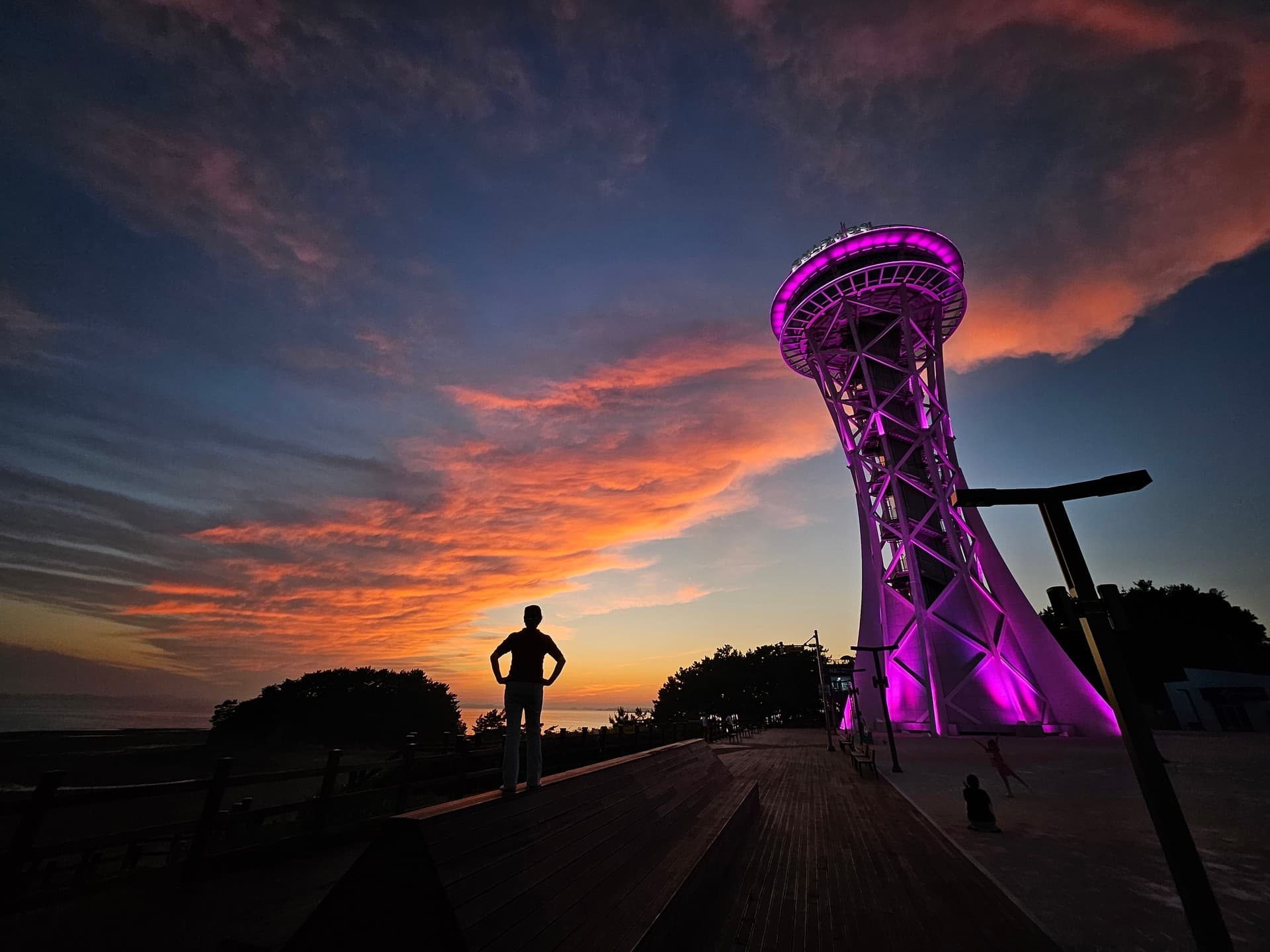
Pohang combines Homigot's sunrise, Space Walk's steel curves, marine flavors around Pohang Canal and Naeyeonsan's waterfalls and forests. The steel city and East Sea nature form a striking contrast.
Daegu brings together Palgongsan's temples, the Modern Culture Alleys, plants at Daegu Arboretum and night views at Suseongmot Lake. Urban life and nearby nature share the same journey.
Daejeon offers stone towers and woods at Sangsodong Forest Park, Jangtaesan's metasequoias, Hanbat Arboretum and Gyejoksan's red-clay trail. Forest paths close to the city offer a relaxing escape.
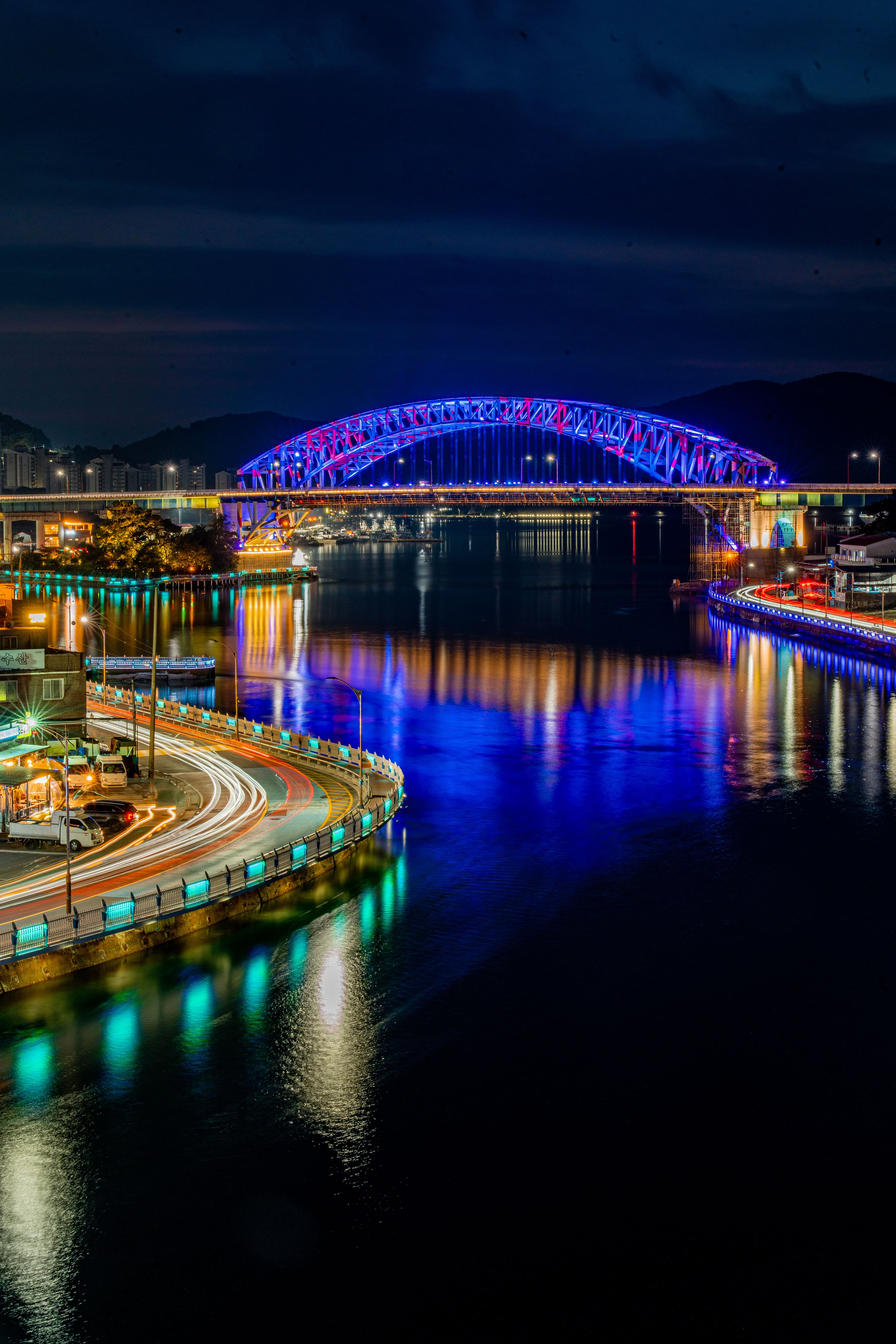
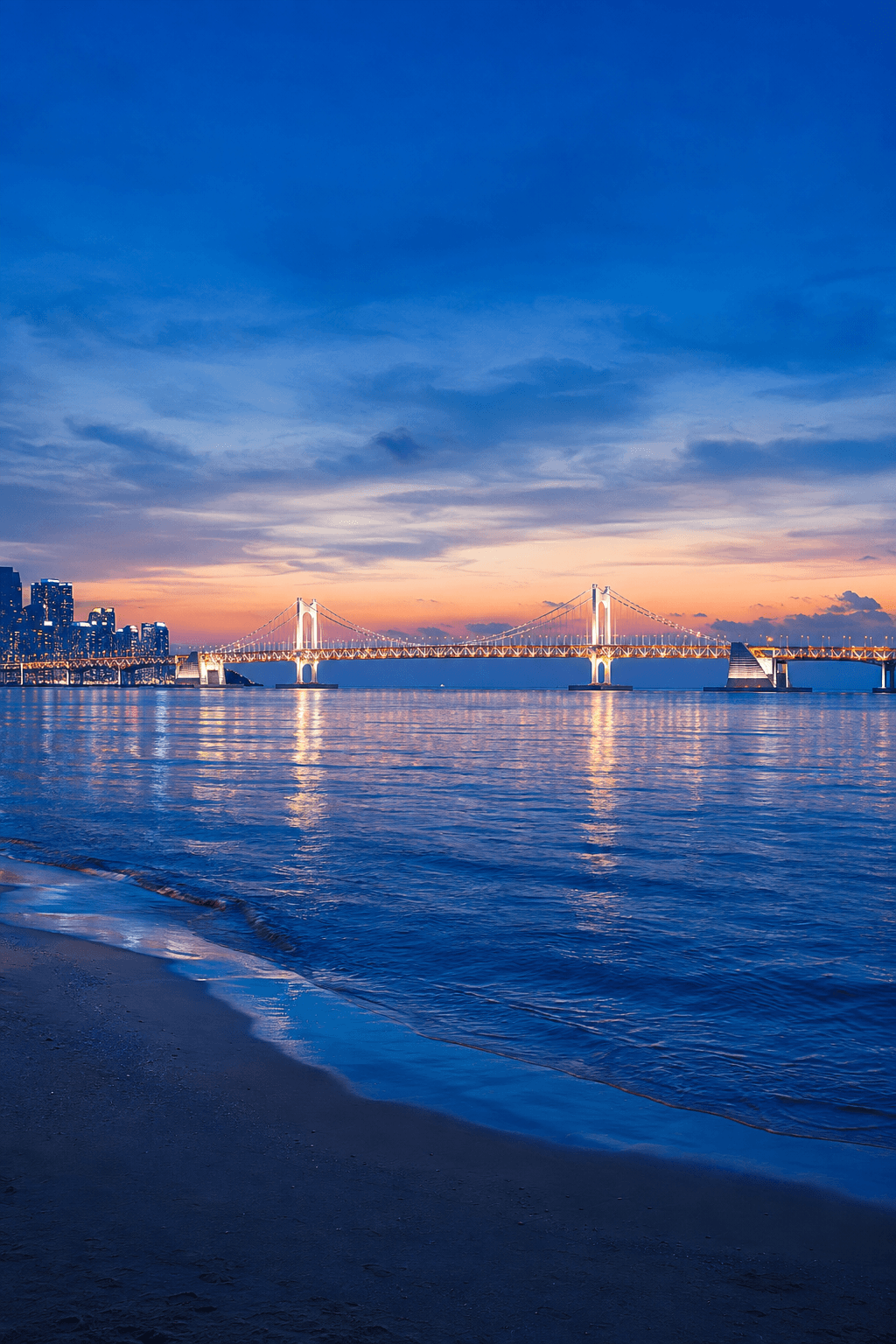
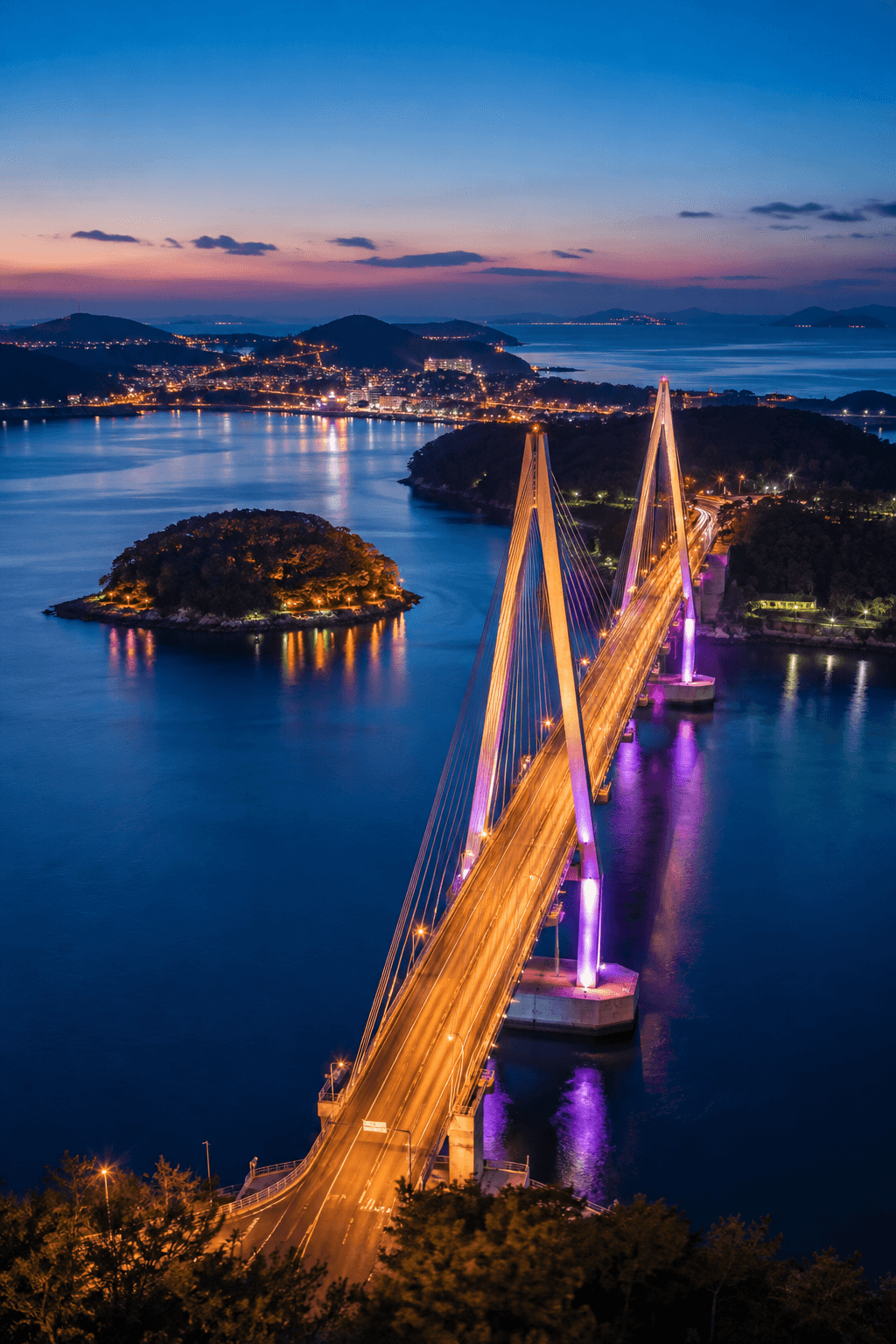
Busan is a port city with many faces: not just broad beaches, but coasts where cliffs meet forests, hillside lanes shaped by everyday history, lively fish markets, and bridges glowing over the sea at night. Walk through nature and neighborhoods by day, then enjoy the lights and markets after dark. Even a spontaneous trip can bring a different memory at every hour.
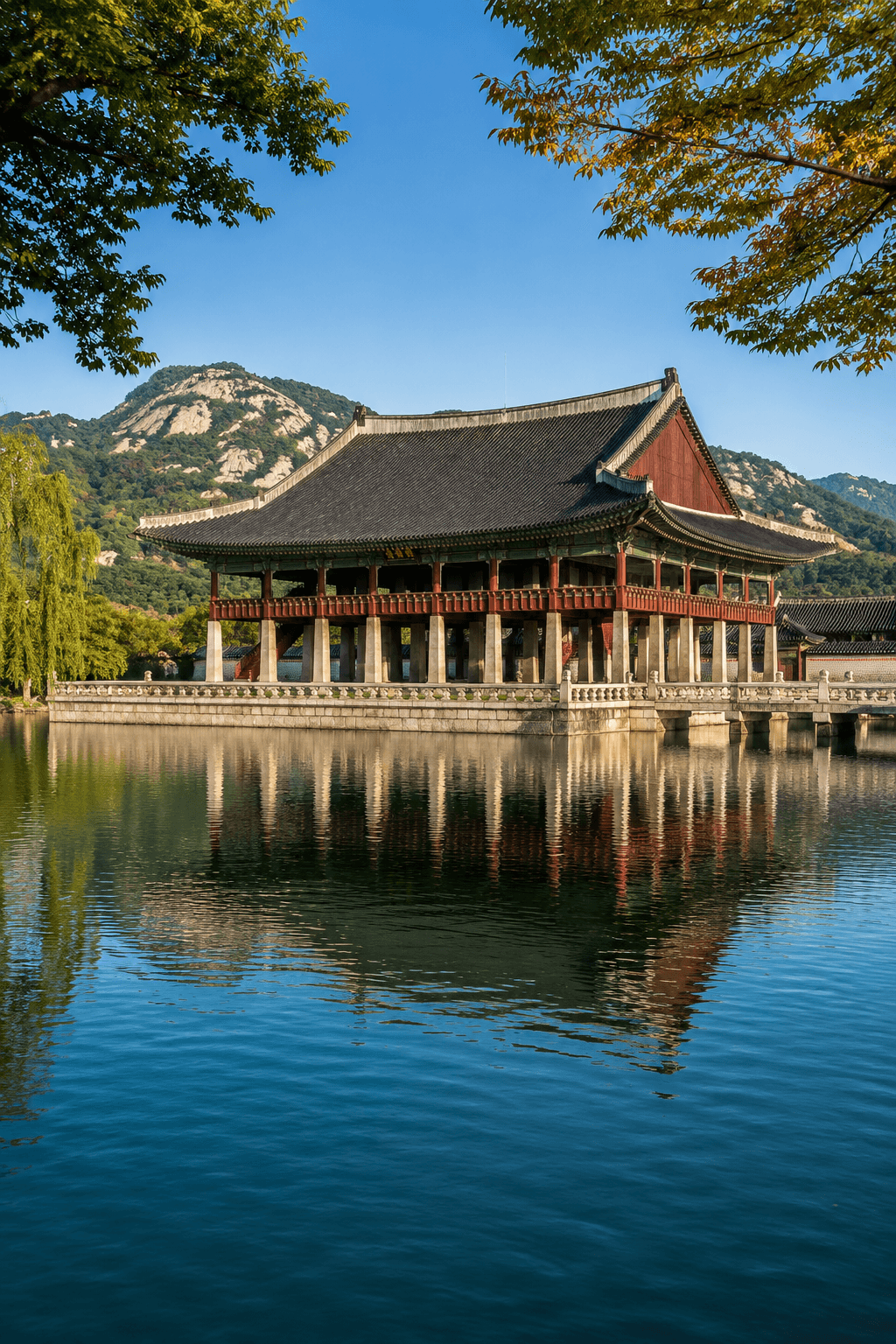
Seoul brings together the historic streets of Gyeongbokgung and Bukchon, the open views of the Hangang River, and the futuristic design of DDP. History, everyday life, art and night scenery can be combined in endless new ways across this vast city.
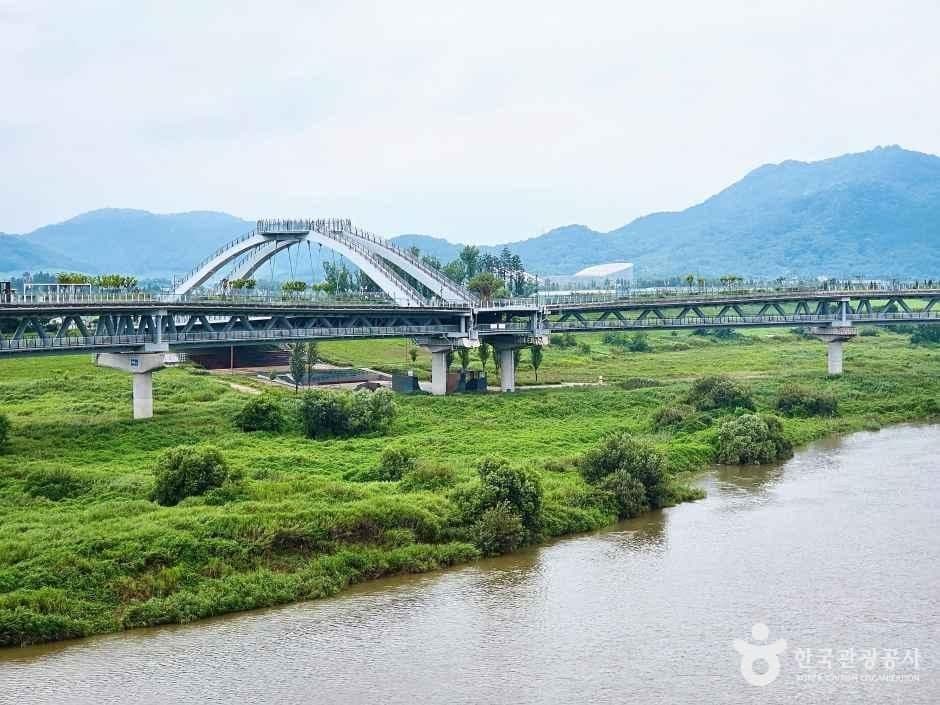
Sejong brings together a planned city’s spacious waterfronts and gardens, landmarks inspired by Hangeul, and Korea’s presidential archives. Beyond beaches and famous historic sites, create a different kind of day by choosing walks, architecture, gardens and exhibitions to suit your interests.
Ulsan brings together Daewangam's rocky coast, the ecology of Taehwagang National Garden, Jangsaengpo's whale culture and the silver-grass ridges of the Yeongnam Alps. Sea, river and mountains spread surprisingly wide within this industrial city.
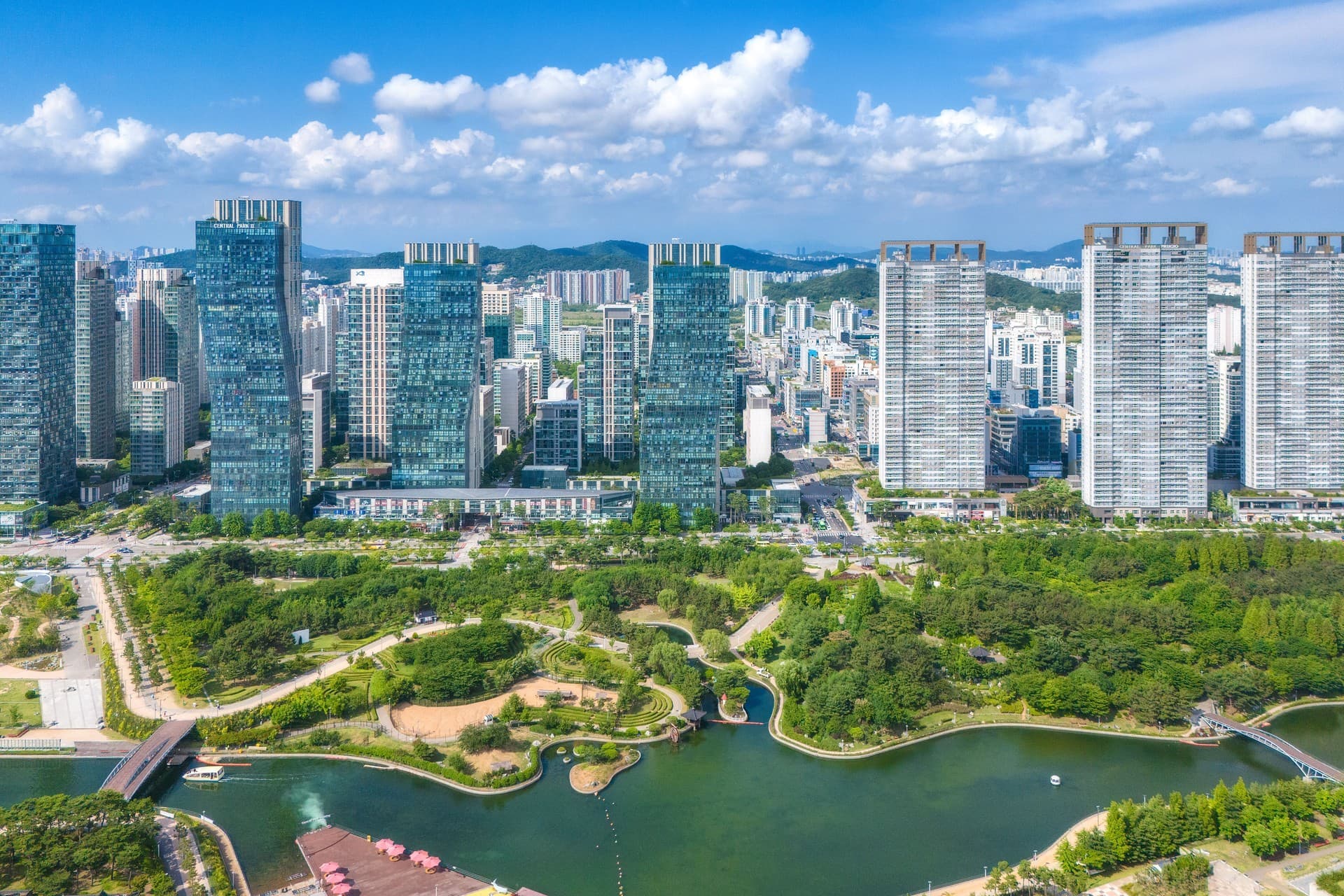
Incheon combines the historic port district and Chinatown, Songdo's modern waterfront, seaside fun on Wolmido and Ganghwado's long history. Its port-born international character meets striking contrasts between islands and new urban districts.
Gangjin offers nature at Gangjinman Ecological Park, Jeolla Byeongyeongseong Fortress, history at Dasan Museum and Deongnyongsan's azaleas. Its waterside scenery, mountains and heritage create a varied southern journey.
Goheung brings together Narodo's cypress woods, the Geogeum Coastal Scenic Road, Paryeongsan Mountain and Ssukseom's gardens. Forests, islands and sea reveal the many faces of the south coast.
Gokseong combines railway experiences at Seomjingang Train Village, Chimsil Wetland ecology, the valleys of Dongaksan and Dorimsa and Daehwanggang's broad waterside. Trains and rivers bring romance to the trip.
Gwangyang combines Seomjingang plum blossoms, Gwangyang Bay's industrial scenery, Gubongsan's views and Baealdo's island garden. From spring flowers to harbor-city night views, contrasting scenes fill the journey.
Gwangju layers Mudeungsan's nature, contemporary culture at the Asia Culture Center, Yangnim-dong's modern stories and memories of the May 18 Democratic Uprising. Experience the whole city's culture and history as one destination.
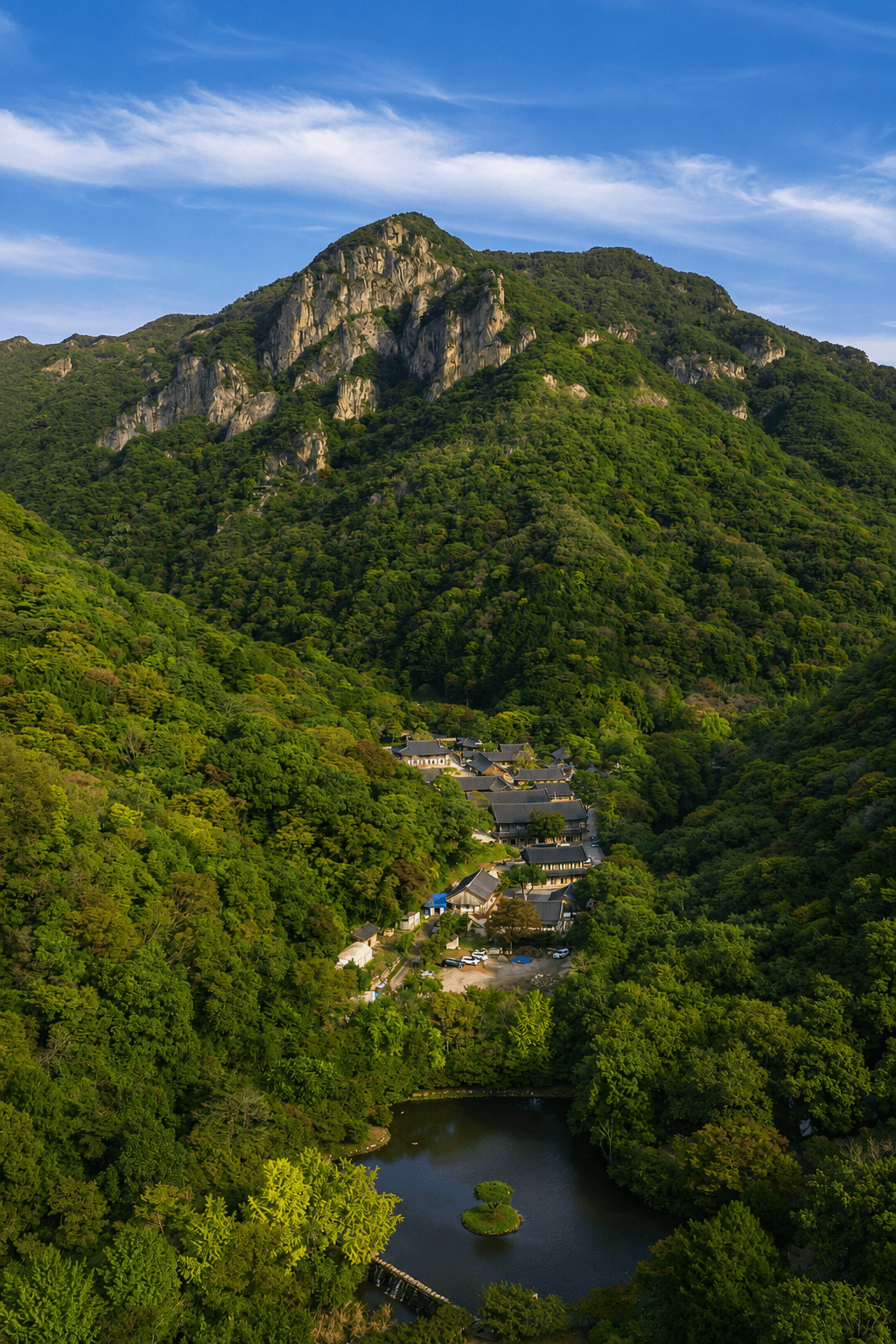
Between Jirisan and the Seomjingang, Gurye offers Hwaeomsa's thousand-year history, spring colors in Sansuyu Village and relaxed bamboo forests and gardens. Mountains, rivers and villages balance in this southern nature destination.
Naju combines old urban history at Geumseonggwan and its fortress, Yeongsangang waterways, ancient culture at Bannam Tombs and Bitgaram's modern lake scenery. Its timespan stretches from antiquity to the innovation city.
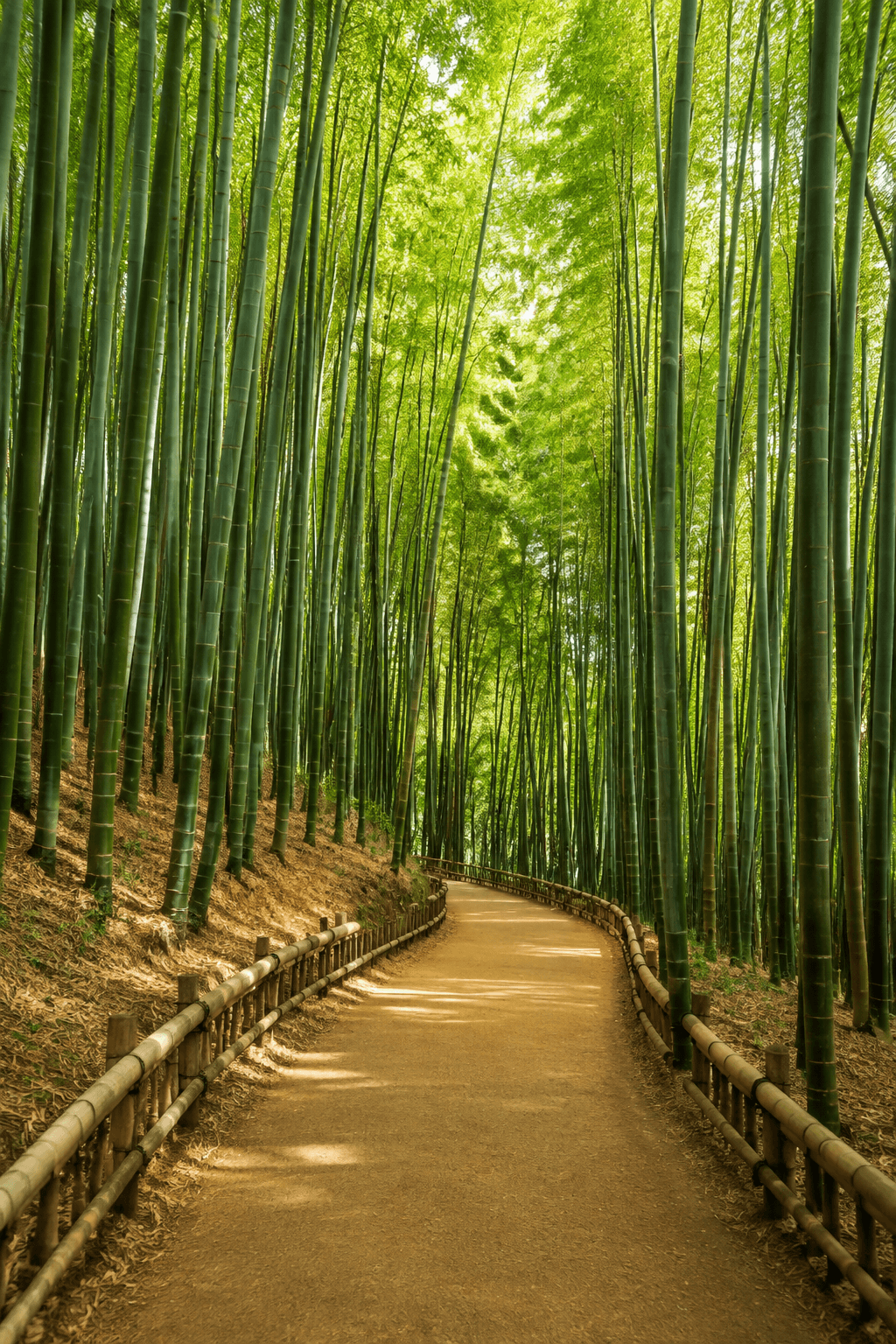
Damyang combines Juknokwon's bamboo, Gwanbangjerim's old trees, the distinctive Metasequoia Road and Soswaewon's scholarly culture. Each walk reveals a different green landscape and garden story.
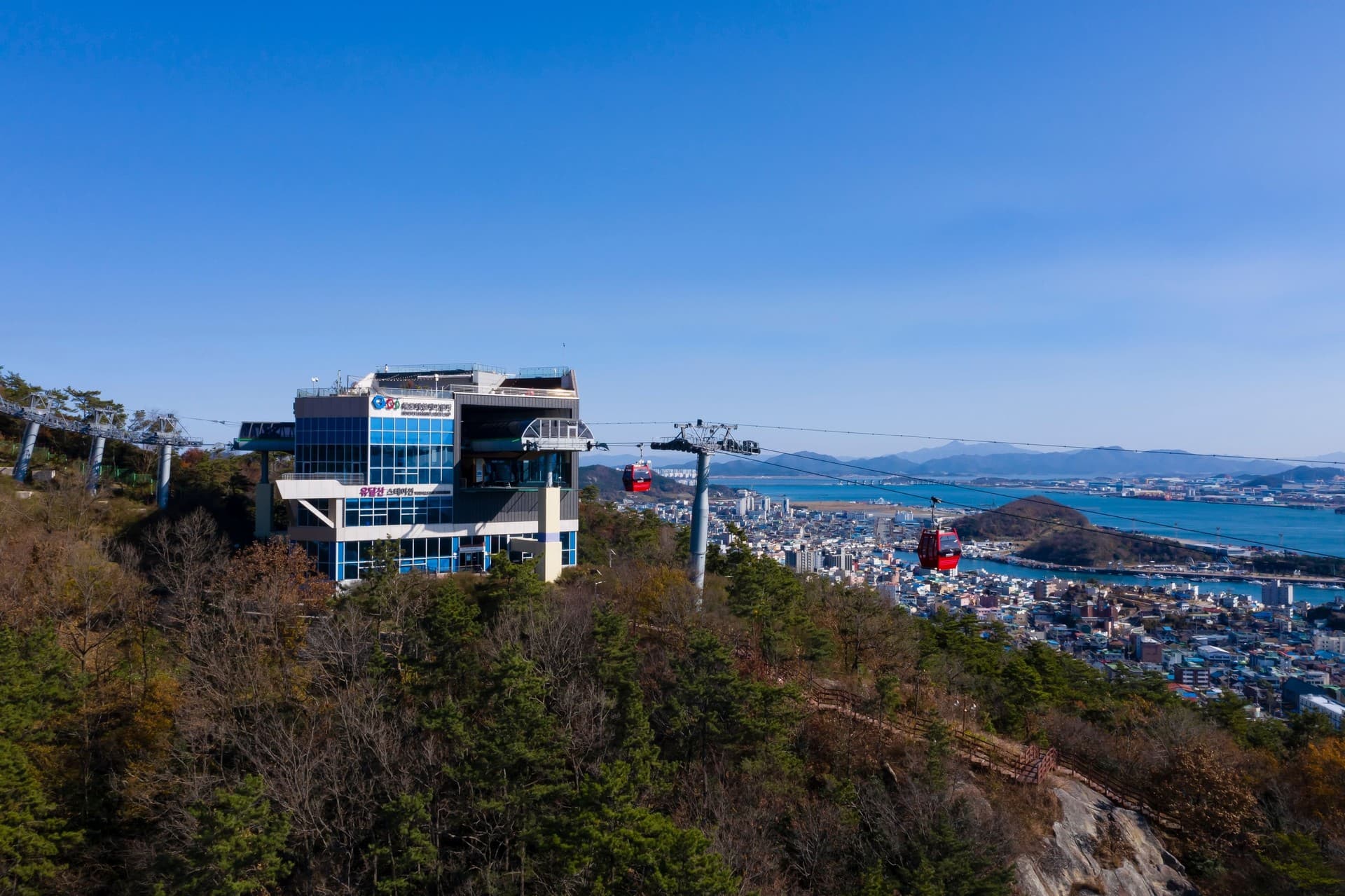
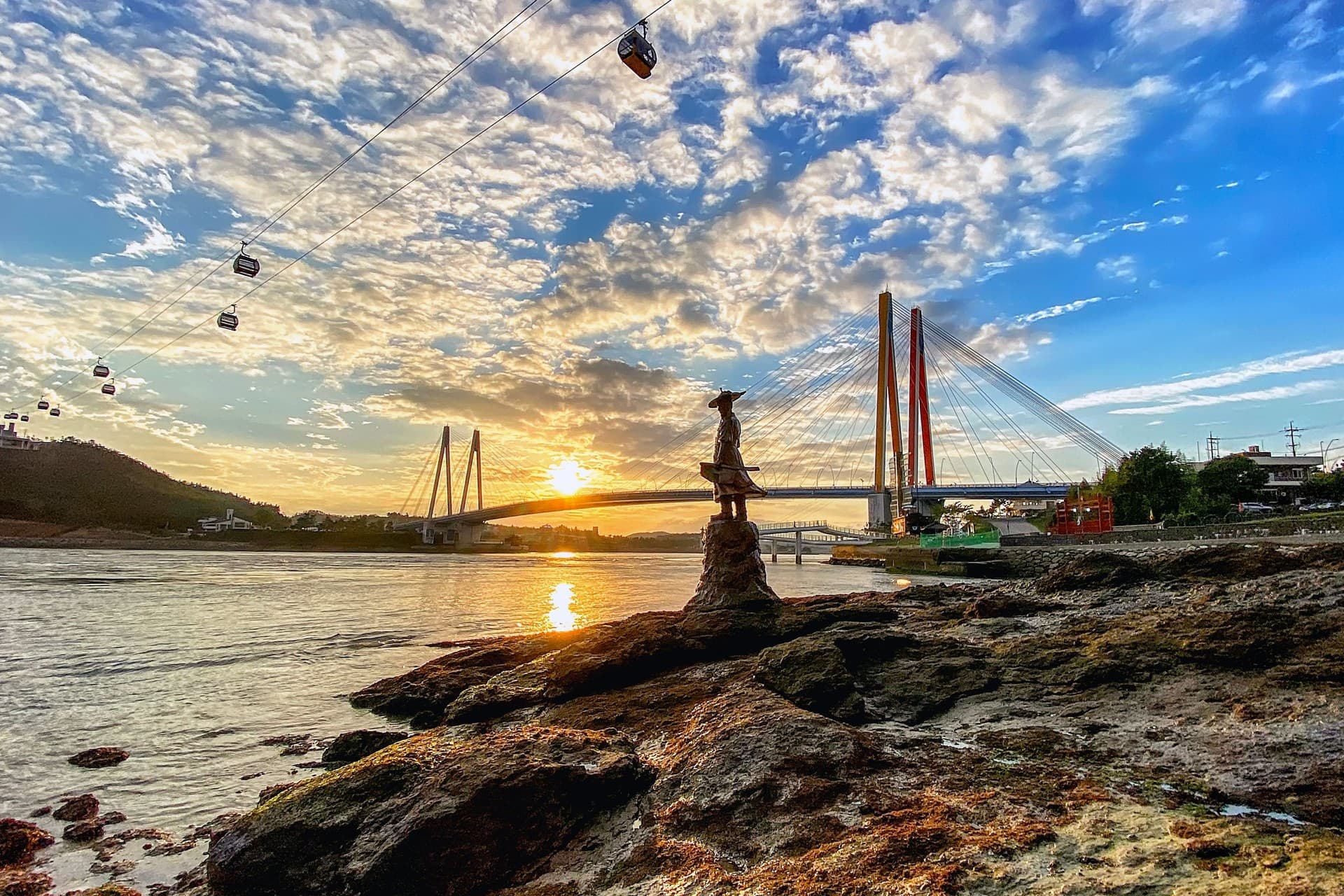
Mokpo is a port city combining Yudalsan and island-sea views, modern history since the port opened, Gatbawi's nature and cultural spaces and cable-car seascapes. Day and night each leave a distinct impression.
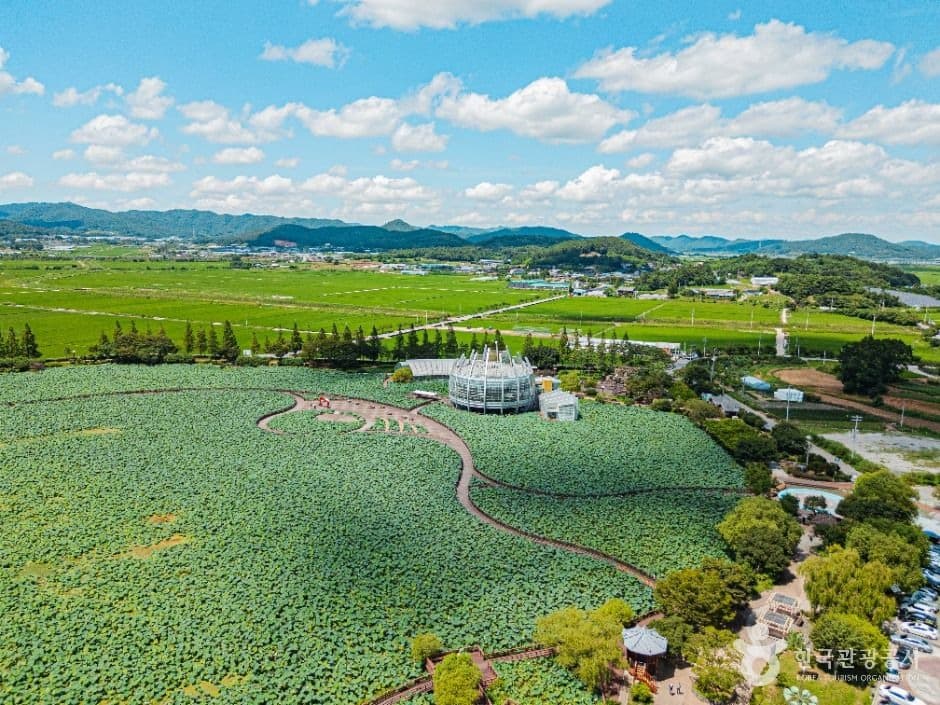
Muan offers Yeongsangang views at Sigyeongjeong Pavilion, tidal-flat ecology, lotus flowers at Hoesan White Lotus Pond and the West Sea atmosphere of Topmeori Beach. River, mudflats, flowers and sea make a peaceful journey.
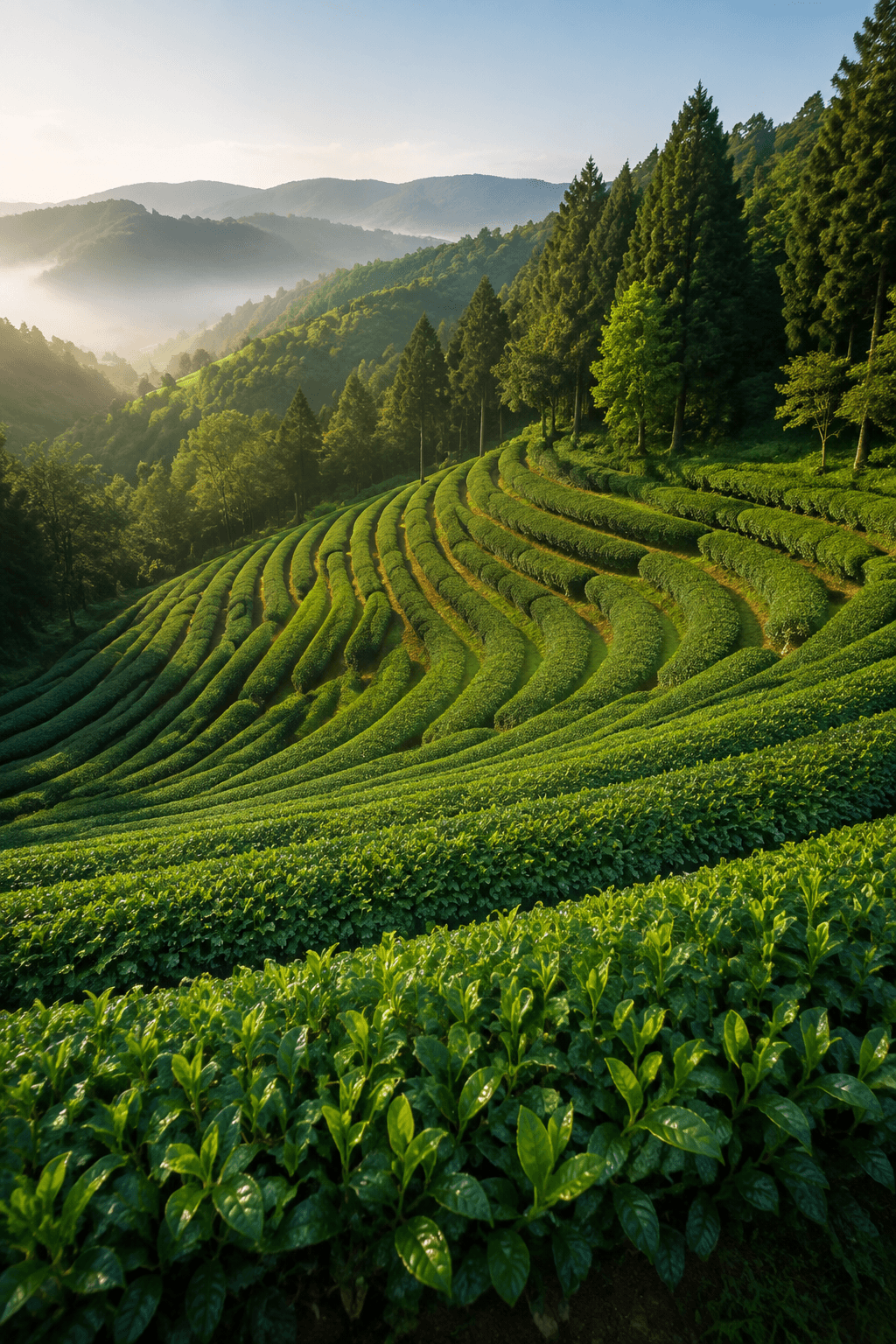
Boseong combines deep-green tea fields, Yulpo's sea, Jeamsan's forests and Beolgyo's literature and modern history. A cup of tea opens into coast, forest and literary journeys.
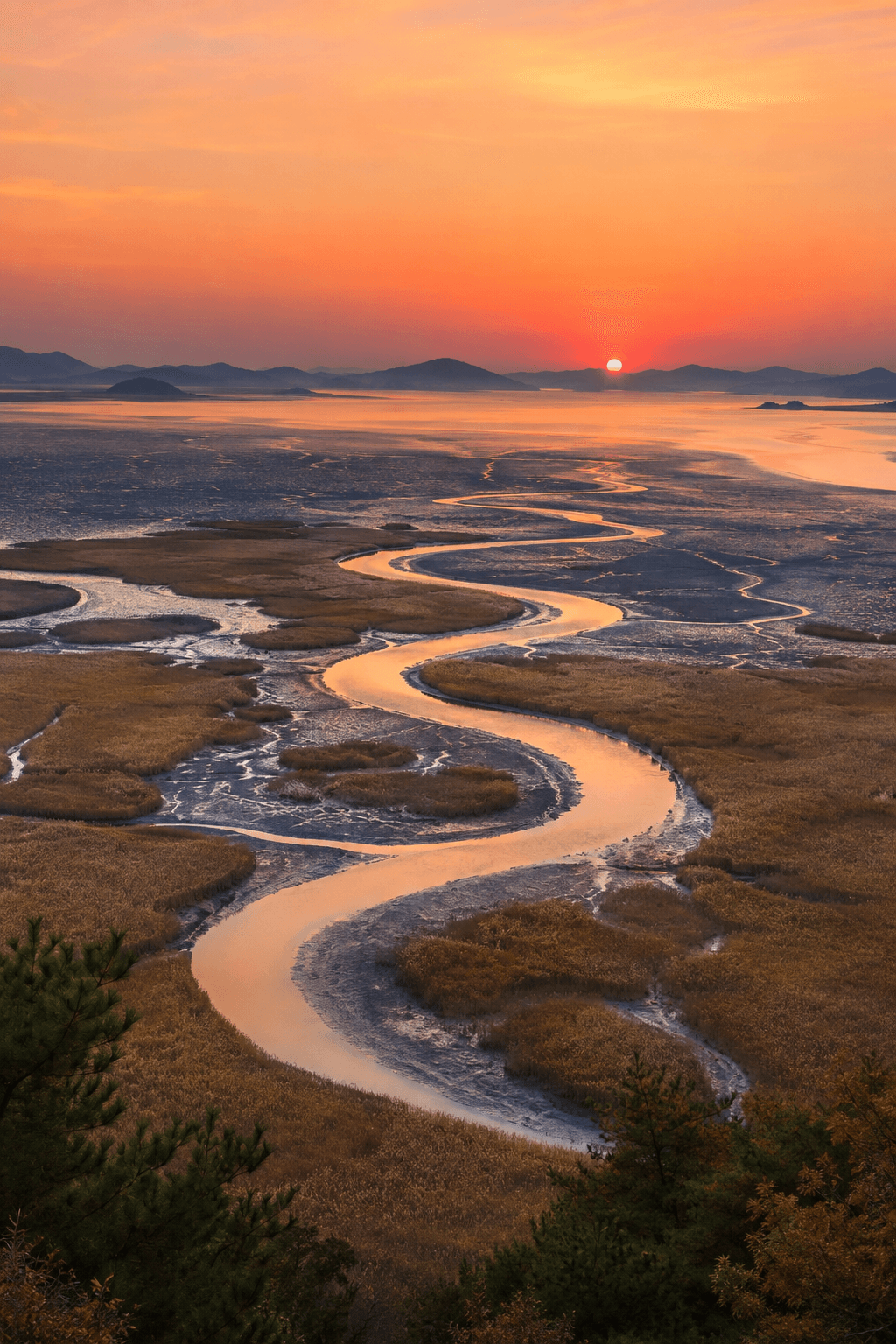
Suncheon is an ecological and cultural destination moving between wetlands of reeds and migratory birds, the imagination of a garden city, everyday history at Naganeupseong, and modern-era lanes seen in dramas. Enjoy nature and journeys through time in one destination.
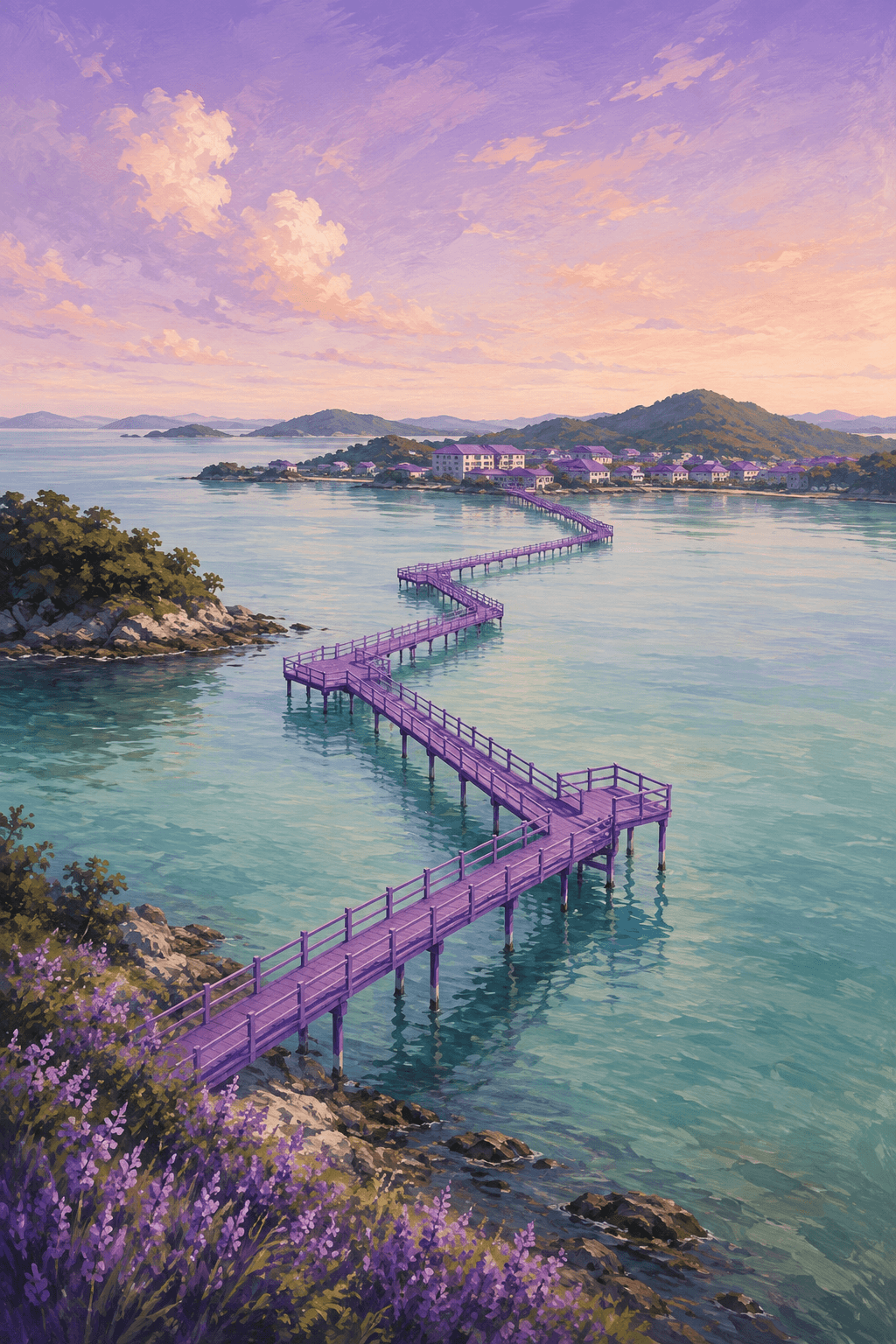
Against a backdrop of countless islands and sea, Sinan offers Purple Island's colors, Aphaedo's bonsai garden, Jaeundo's broad beaches and Taepyeong Salt Farm's artistic scenery. The destination is Sinan County as a whole.
Yeosu is a seaside city whose face changes throughout the day: islands and camellia woods, a cliffside temple and stories of national defense, then harbor lights after sunset. Rather than stopping at one famous attraction, make the changing moods of morning, afternoon and night part of the journey.
Yeonggwang offers West Sea sunsets on Baeksu Coastal Road, Bulgapsa Temple and its flowers, and the longstanding port culture of Beopseongpo. Coast, temple and harbor change with the seasons.
Yeongam combines Wolchulsan's rocky ridges, scholar Wangin's ancient culture, Gurim Village's stone walls and local pottery art. Grand mountains and old village culture create a vivid contrast.
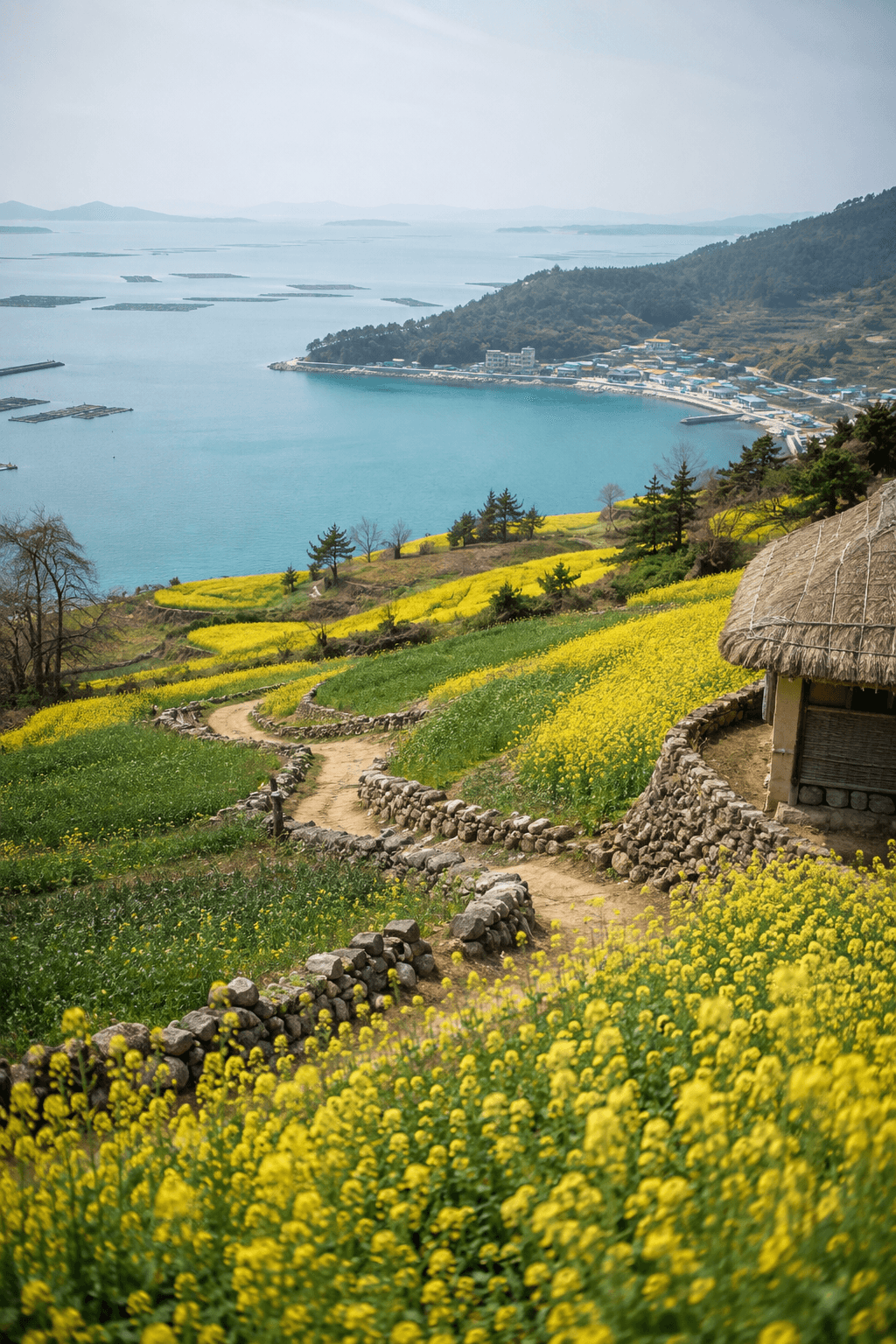
Wando offers more than island views: marine wellness, the history of Jang Bogo and Cheonghaejin, and unhurried island villages invite different ways to travel. Choose rest, views, history or walking, and let drawing Wando become a chance to discover a new travel interest.
Jangseong combines Baegyangsa Temple, riverside nature at Hwangnyonggang Ecological Park and the tranquil waters of Jangseongho Lake. Temples, river and lake offer a quiet place to pause.
Jangheung pairs Jeongnamjin Cypress Forest Woodland with views from Jeongnamjin Observatory and buckwheat flowers in Seonhakdong Village. Forest scents, open views and seasonal flowers complement one another.
Jindo is an island county where Ullimsanbang's southern painting, Uldolmok's history, coastal-road seascapes, Jindo Arirang and folk arts remain vivid. Even the road-connected main island offers abundant nature and culture.
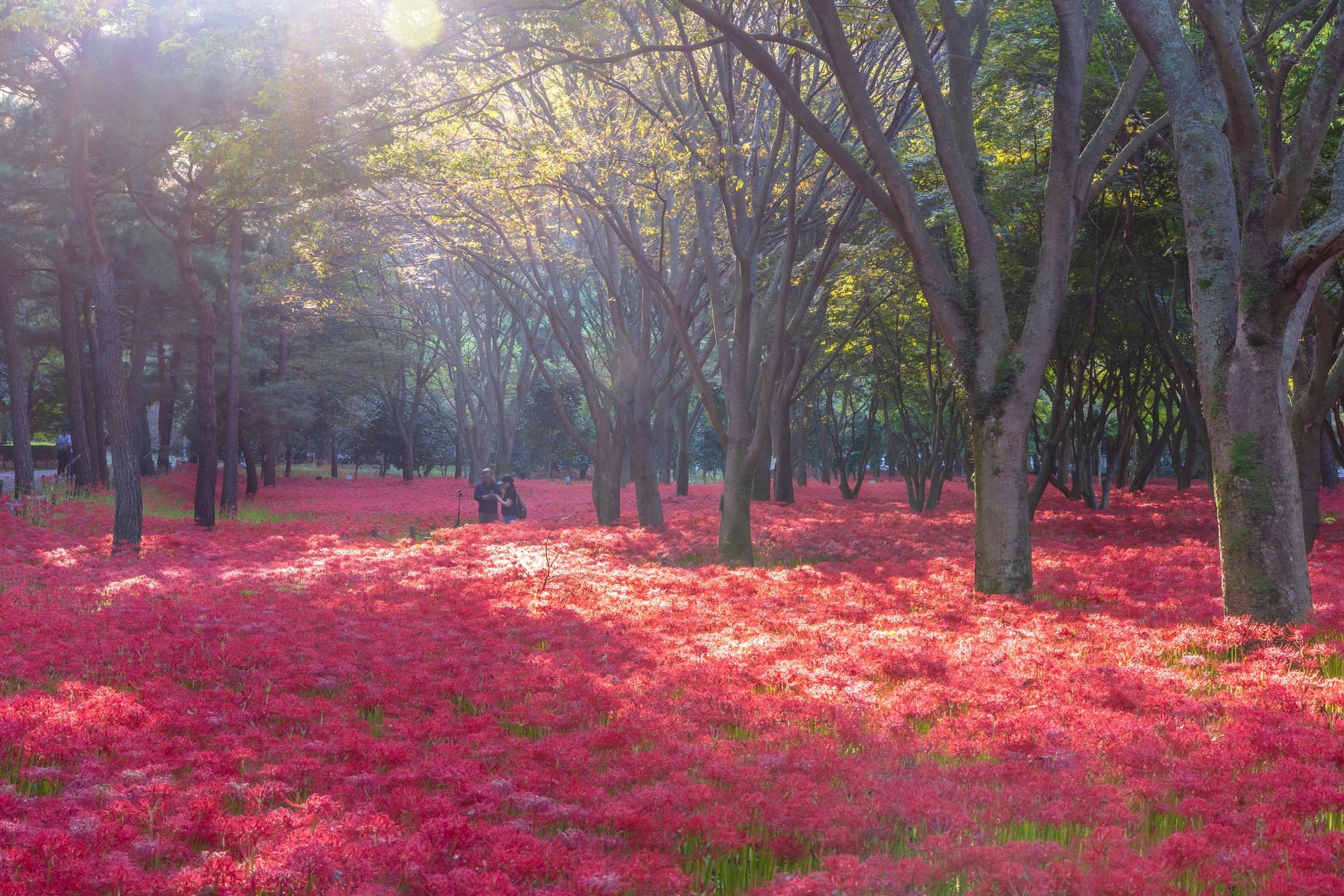
Hampyeong combines butterfly and insect ecology parks, sunsets on Hampyeong Bay, Yongcheonsa's red spider lilies and traditional seawater steaming baths. Ecology, coast and seasonal experiences give the small county distinct colors.
Haenam combines Land's End Village at the southern tip of mainland Korea, Daeheungsa on Duryunsan, Myeongnyang's Usuyeong and Nogudang's old-house culture. The symbolism of an ending and thousand-year temples and history suggest a fresh beginning.
Hwasun offers UNESCO dolmen sites, Unjusa's thousand-Buddha-and-pagoda tradition, cliffs and water at Hwasun Red Cliffs and misty Seryangji Pond. Stories range from prehistory to mysterious temples and spectacular nature.
Gochang combines World Heritage dolmens, Seonunsa's camellia forest, Gochangeupseong's walls and Ungok Ramsar Wetland. Prehistoric and Joseon history connect deeply with mountain temples and wetlands.
Gunsan combines architecture and harbor memories since its opening, Gogunsan's sea, Eunpa Lake Park's calm and Railroad Village's everyday history. Urban history and island scenery form a clear contrast.
Gimje offers Byeokgolje Reservoir, wide-open plains and Buddhist heritage at Geumsansa Temple. Agricultural traditions and temple history reveal the region's long past.
Namwon combines Gwanghalluwon's classic love story, Jirisan's nature, Honbul's literature and traditional Korean music. Beyond Chunhyang, gardens, mountains, literature and sound give the journey many textures.
Muju offers Deogyusan's ridges and snowy scenery, Jeoksangsan's autumn leaves and Anguksa Temple, and the waters of Chilyeon Valley. Mountains, temples and valleys change with each season.
On Byeonsan Peninsula, Buan combines Chaeseokgang's geological scenery, Naesosa's fir forest, inland nature at Jikso Falls and Goryeo celadon history. Sea, mountains and cultural heritage change the mood within one county.
Sunchang combines Gangcheonsan's valleys and autumn foliage, Guamsa Temple, traditional gochujang and fermentation culture, and the rocky Seomjingang River. Nature and food both define this destination.
Wanju offers Daedunsan's rock formations, regenerated industrial heritage in Samnye, Oseong Hanok Village's everyday culture and Wibongsa and fortress history. Choose among mountains, art, hanok and old temples.
Iksan offers Baekje heritage at Mireuksa Temple Site and Wanggung-ri, a jewelry tradition, and Nabawi Catholic Church's architecture and history. Ancient royal sites and more recent religious heritage reveal different eras.
Imsil combines the history and experience of Korean cheese with Bungeoseom Ecological Park on Okjeongho Lake and views from Guksabong Observatory. Local food and waterside nature make a relaxing trip.
Jangsu combines Nongae's history, Tteunbongsaem at the Geumgang's source, Banghwadong Valley's forest and family relaxation at Jangsu Nuri Park. Pristine highland nature and stories of loyalty define it.
Jeonju is a cultural city where everyday life in hanok lanes, Joseon royal history, contrasting religious architecture and traditional-market flavors flow together downtown. Dressing up, eating and walking bring its historic spaces to life, enriching even an unplanned trip.
Jeongeup combines Naejangsan's autumn foliage, Donghak Peasant Revolution history, World Heritage Museongseowon and autumn chrysanthemum gardens. Strong seasonal beauty accompanies important memories of modern Korean history.
Jinan offers Maisan's twin peaks, Tapsa's stone towers, Eunsusa Temple and the tranquil waters of Yongdamho Lake. Distinctive mountains, lake and temples shape this highland destination.
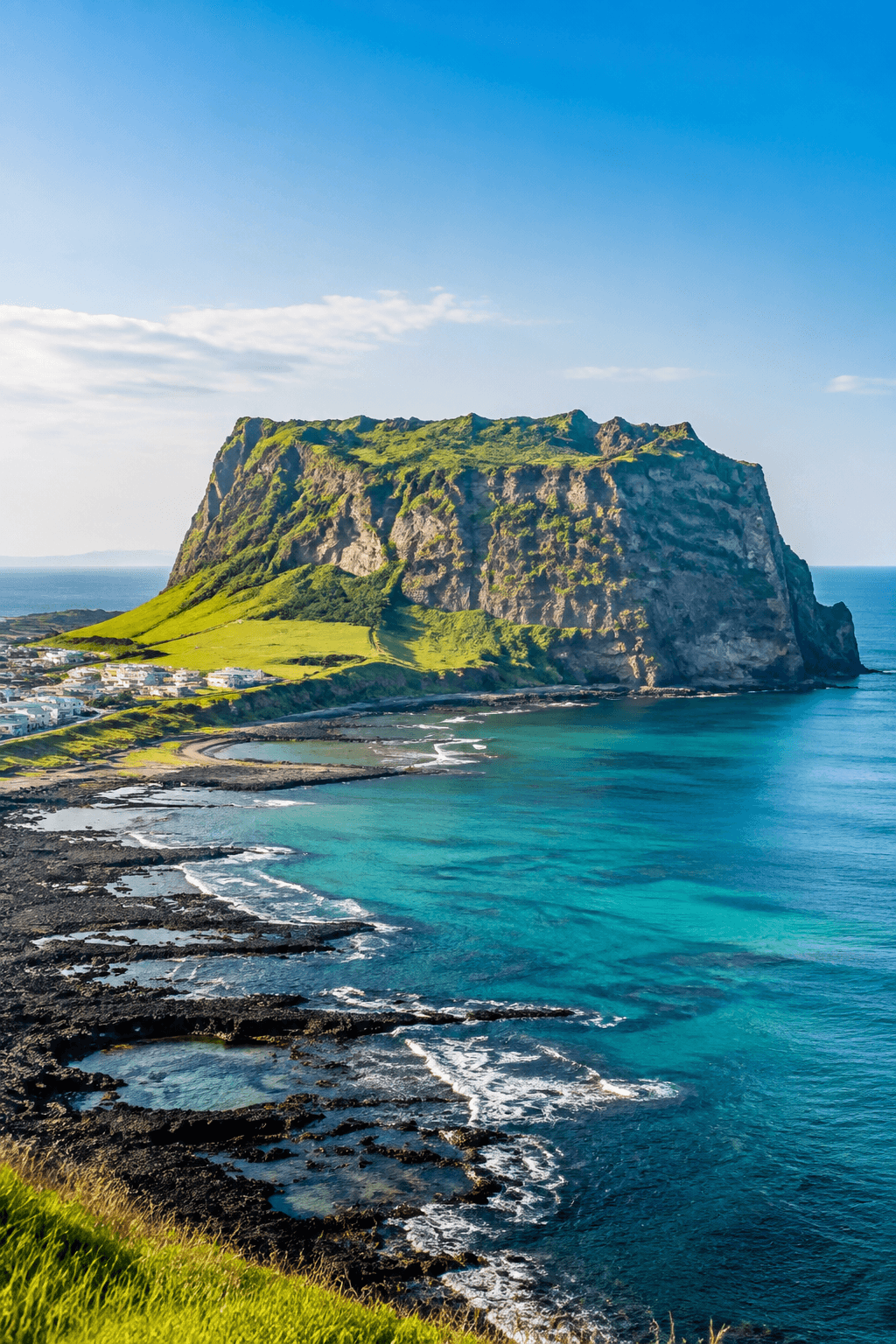
In this app, the Jeju destination covers the whole island, including Seogwipo. Discover dramatic contrasts within one island: Hallasan's changing elevations, ancient nutmeg-yew woods, volcanic formations above the sea, coastal waterfalls, and island life and food.
Gyeryong brings together nature at Hyangjeoksan Healing Forest and Goemokjeong, history at Sagye Historic House and the welcoming alleys of Patgeori Village.
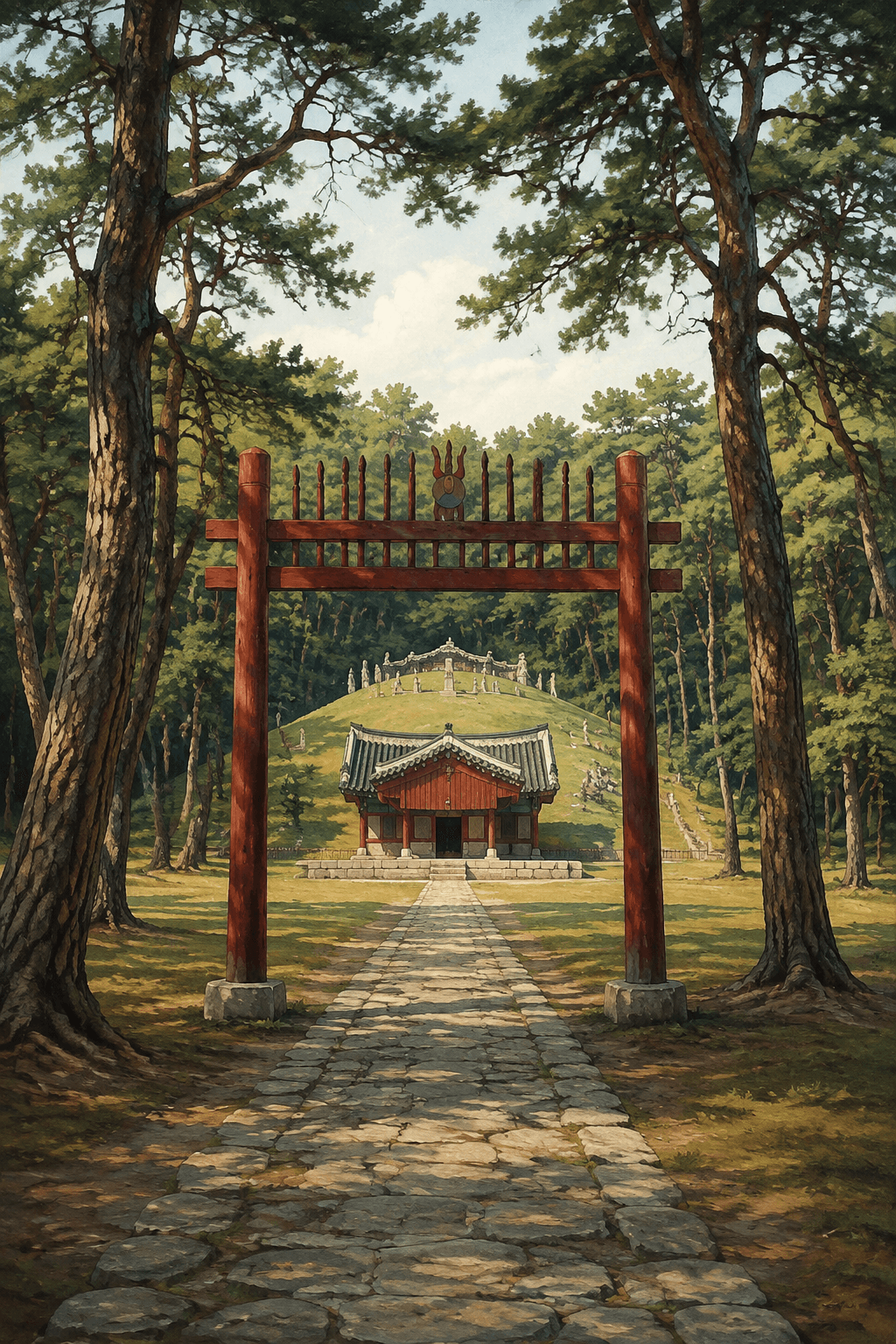
Gongju brings together the fortifications and royal tombs of a Baekje capital, temple forests, and modern-era lanes along Jemincheon Stream. Monumental heritage contrasts with simple waterside walks, giving a history trip a lighter rhythm.
Geumsan combines ginseng history and markets with Boseoksa Temple, Forest Culture Town and Yogwang-ri's old ginkgo tree. Local food, woodland and an ancient tree guide the journey.
Nonsan offers Tapjeong Lake's waters, Sunshine Land's filming culture, World Heritage Donamseowon and Gwanchoksa's huge stone Buddha. Modern experiences, lakes and Confucian and Buddhist culture provide unexpected breadth.
Dangjin offers Catholic history at Solmoe and Sinri Holy Grounds, agricultural heritage at Hapdeokje Reservoir and waterside scenery at Sapgyoho Lake. Religious sites, open fields and lake tell different stories.
Boryeong is a maritime city combining Chungcheong Suyeongseong's history, Seongjusan's forests, Boryeong Dam's waterside, an undersea tunnel and islands. Sea, forest, history and modern marine infrastructure offer a broad choice of journeys.
Buyeo reveals Sabi, Baekje's capital, through Busosanseong, Jeongnimsa Temple Site, Gungnamji and Baekje Cultural Land. Ruins, museums, ponds and reconstructions connect the ancient city's story.
Seosan brings together Munsusa and Gaesimsa temples, the sea around Ganwolam Hermitage and the history of Baekje rock-carved Buddhas. Temples and West Sea scenery make a peaceful journey.
Seocheon combines biodiversity at the National Institute of Ecology, cinematic Sinseong-ri Reed Field, Janghang's sea and industrial heritage and Hansan ramie traditions. Ecology, craft and coast give it a clear identity.
Asan combines Yi Sun-sin's history at Hyeonchungsa, Oeam Folk Village's traditional life, Onyang's old hot-spring culture and Sinjeong Lake's modern park. History and relaxation flow naturally together.
Cheonan combines independence history at the Independence Hall and Yu Gwan-sun's sites, Taejosan's large bronze Buddha and Seongseong Lake Park's urban ecology. Modern history, nature and city culture balance here.
Cheongyang offers Chilgapsan's forests, Cheonjangho Suspension Bridge, historic Janggoksa Temple and night skies at Chilgapsan Observatory. Mountain nature and family experiences enrich the trip.
Taean offers Kkotji Beach sunsets, Cheongsan Arboretum, Anmyeon pine forests and Chollipo Arboretum's plant diversity. Along its long coastline, sea, sand, forest and gardens create varied nature journeys.
Hongseong offers Hongjueupseong Fortress, views from Hongseong Sky Tower, Namdang Port's sea and food, and General Kim Jwa-jin's independence legacy. Fortress and harbor reveal Naepo's history and daily life.
Goesan combines Ssanggok Valley's rocks and streams, Mungwang Reservoir's ginkgo trees, Seongbulsan's forest and organic food culture at Natural Dream Park. Nature walks and local food culture go hand in hand.
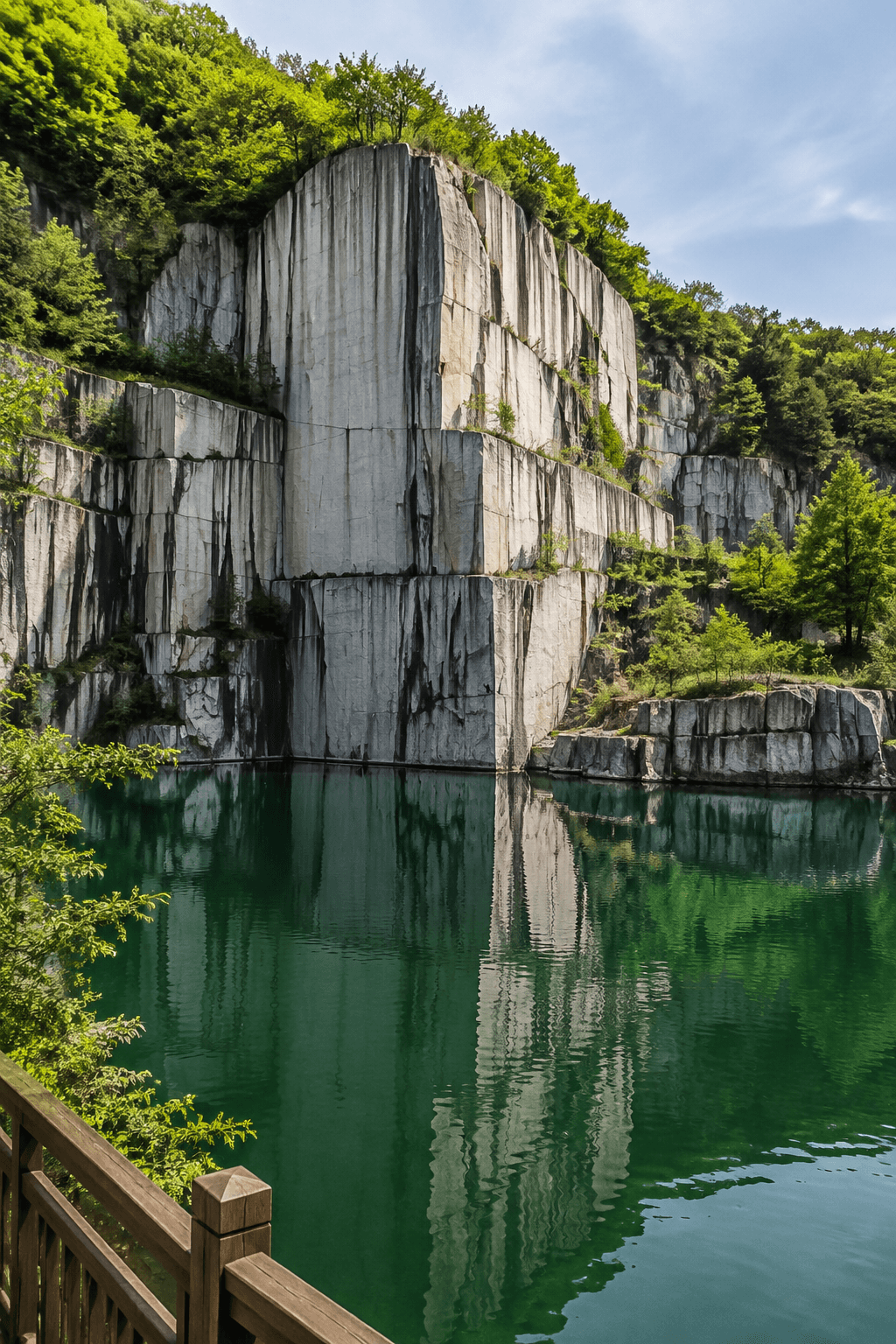
Danyang shifts your sense of height and scale, from Namhangang scenery and limestone formations to sky-high views, underground caves and cliffside riverside walks. Quiet nature lovers and thrill seekers can find different pleasures in one destination.
Boeun combines Songnisan's rocks, World Heritage Beopjusa, Maltijae's winding views and forest experiences at Songnisan Theme Park. Mountains, temples and old roads reveal Chungbuk's deep nature and history.
Yeongdong combines Wollyubong's landscapes, Korean music at Gugak Experience Village, fruit and wine culture in the Wine Tunnel and memories at No Gun Ri Peace Park. Nature, music, food and peace evoke different emotions.
Okcheon offers Busodamak and aquatic gardens on Daecheong Lake, Jeong Ji-yong's literature and Janggye's lakeside scenery. Water and poetry create a slow, lyrical journey.
Eumseong combines the international story of Ban Ki-moon's birthplace in Haengchi Village, Pumba humor, Gamgok Maegoe Marian Shrine's architecture and history and Bonghakgol's forest. Peace, everyday arts, religion and nature offer variety.
Jecheon offers Uirimji's historic water culture, Cheongpungho Lake views, Cheongpung Cultural Heritage Complex and Woraksan Mountain. Lakes, mountains and heritage define this inland destination.
Jeungpyeong offers Jwagusan's forest and stargazing, waterside ecology in Bogangcheon's poplar grove, folk-museum everyday culture and quiet paths at Samgi Reservoir. Nature and activities fill this small county.
Jincheon combines the old stone Nongdari Bridge, Chopyeongho Lake views, Mir Forest paths and craftsmanship at the Bell Museum. Water, stone, forest and craft create a peaceful journey.
Cheongju combines Jikji's metal-type history, Sangdangsanseong's walls, contemporary art at Culture Factory and modern history at Cheongnamdae. Documentary culture, industrial regeneration, mountains and lakes connect the city's eras.
Chungju offers history at Jungangtap Pagoda and the Goguryeo Stele Exhibition Hall, walks on Tangeumho Rainbow Trail and the temple ruins and stone Buddha of Mireukdaewonji. River and heritage trace the region's past.